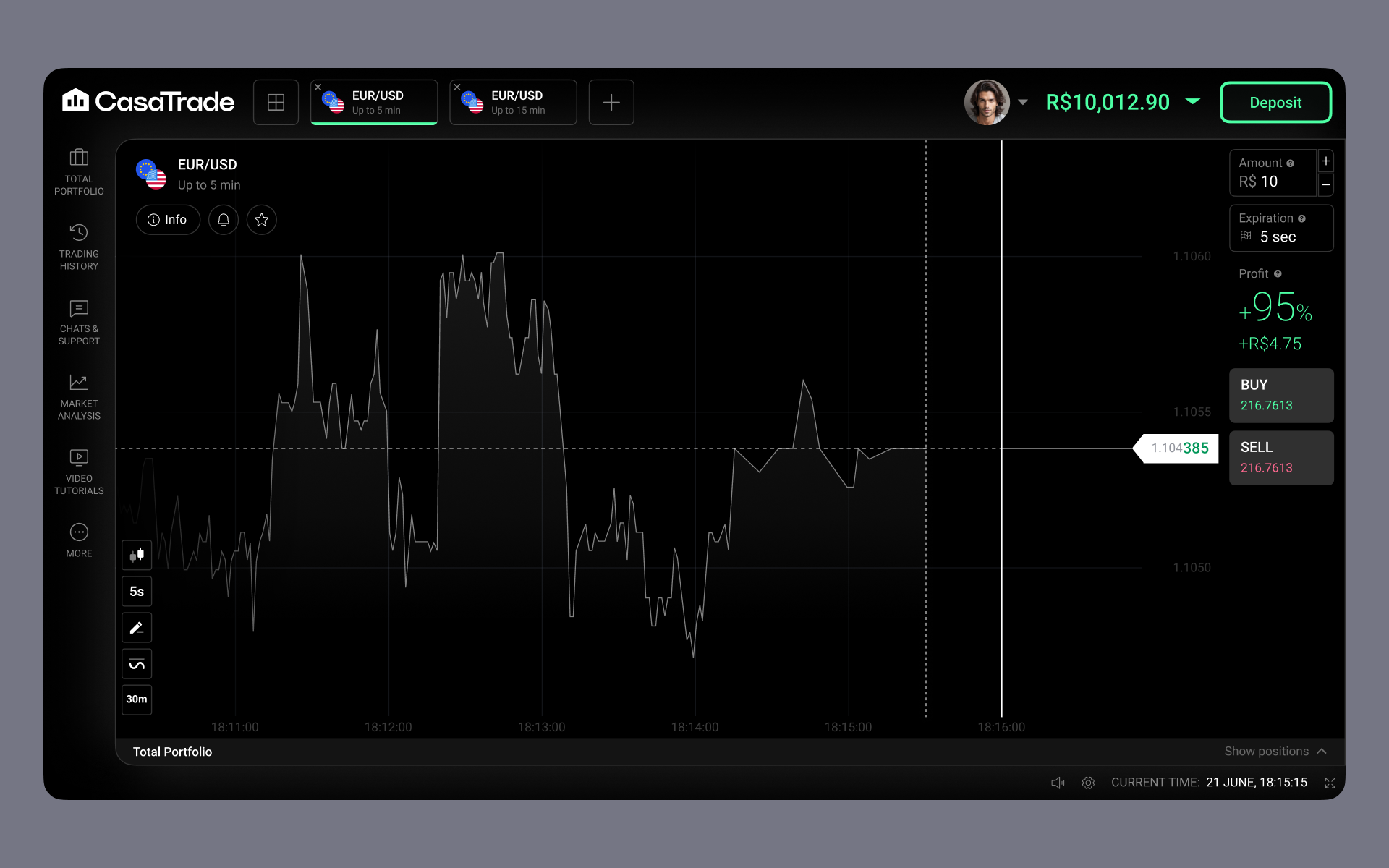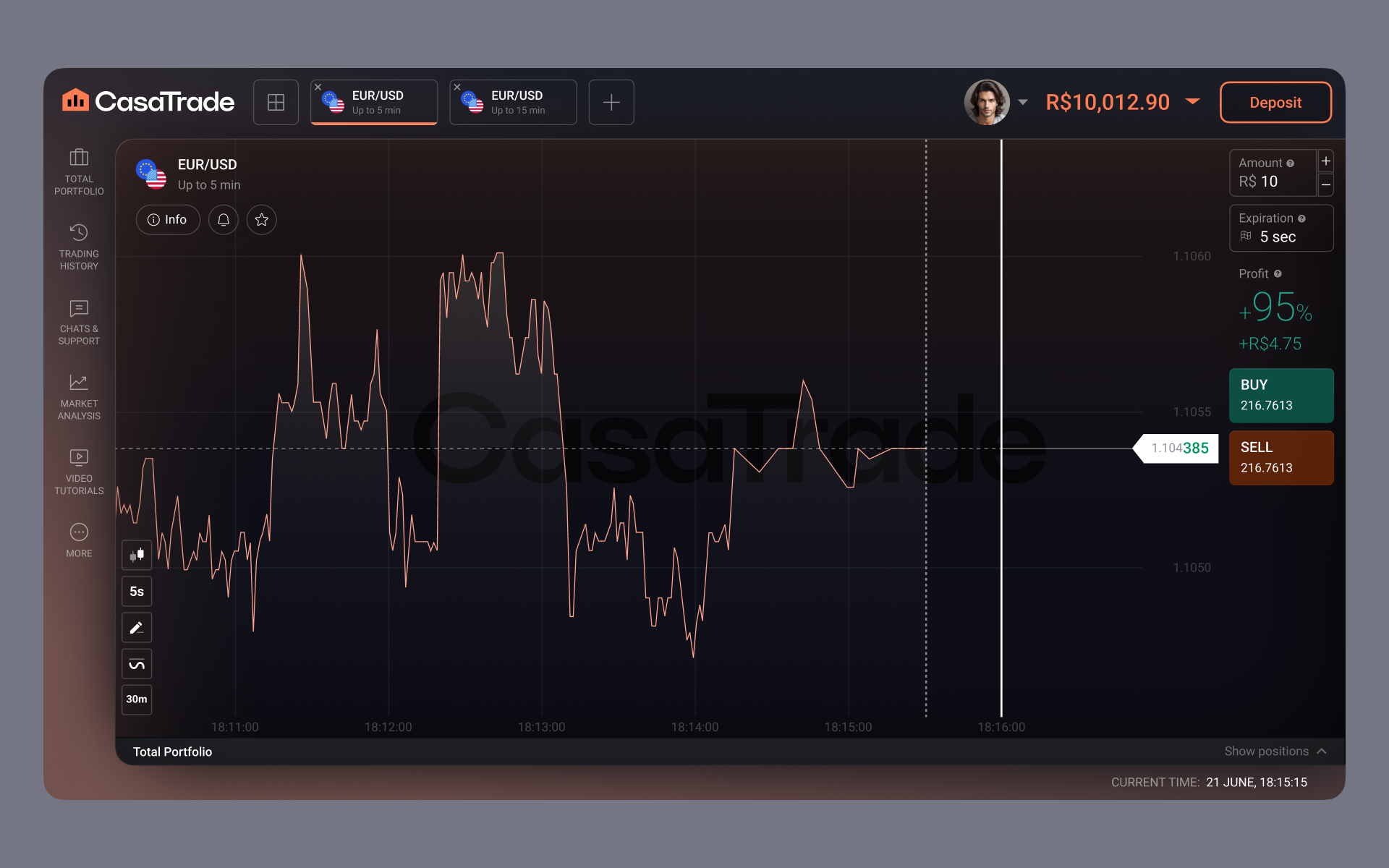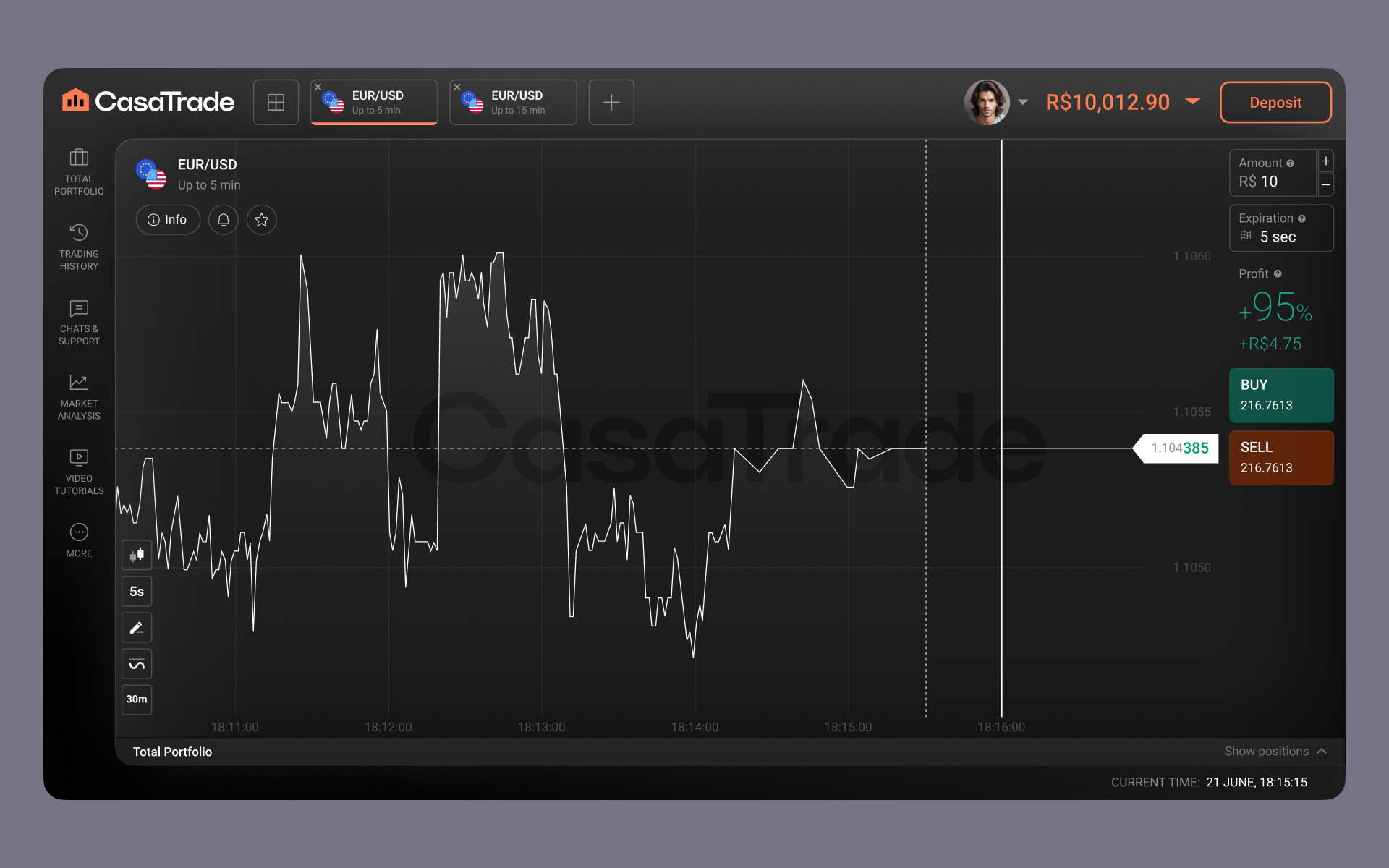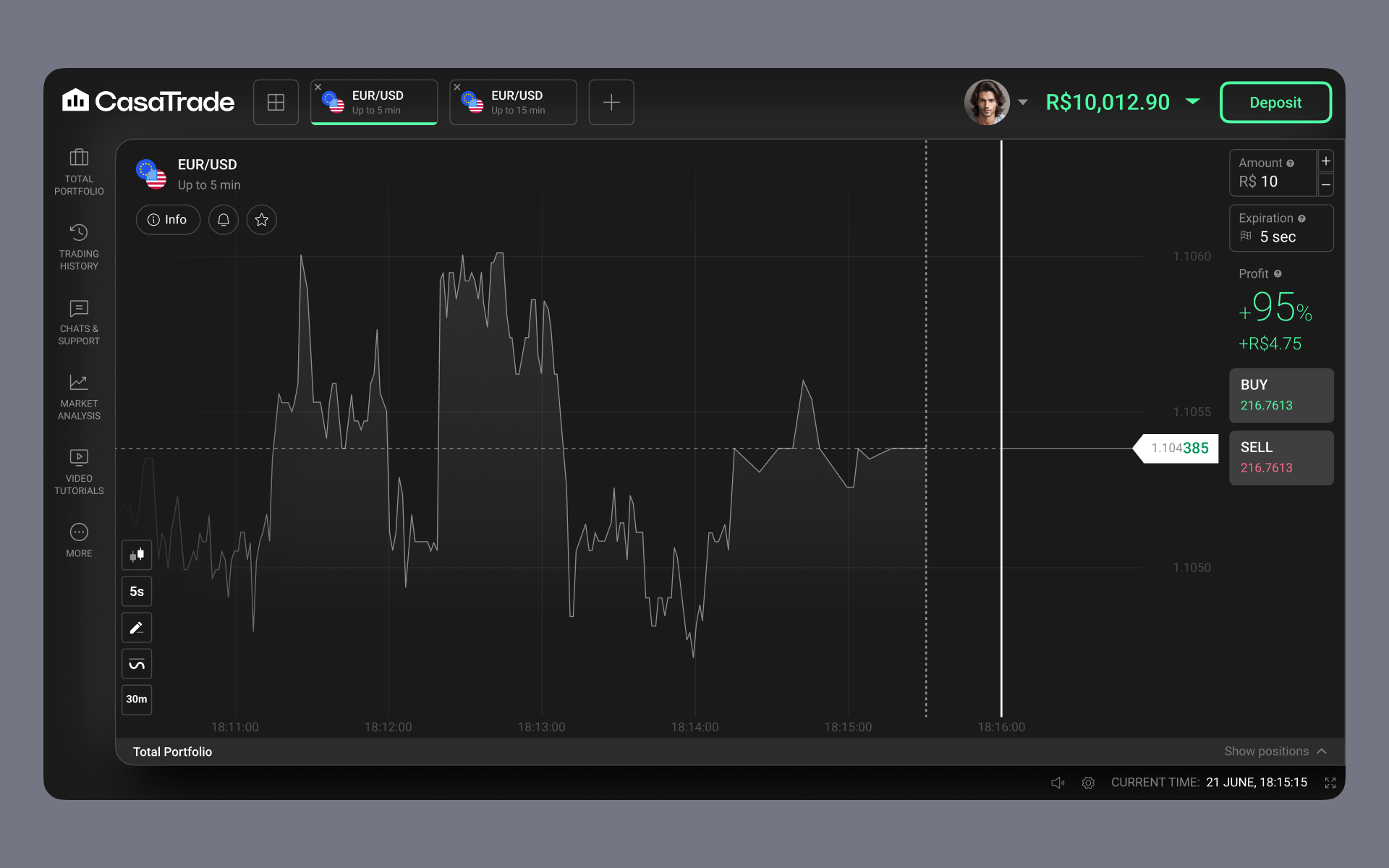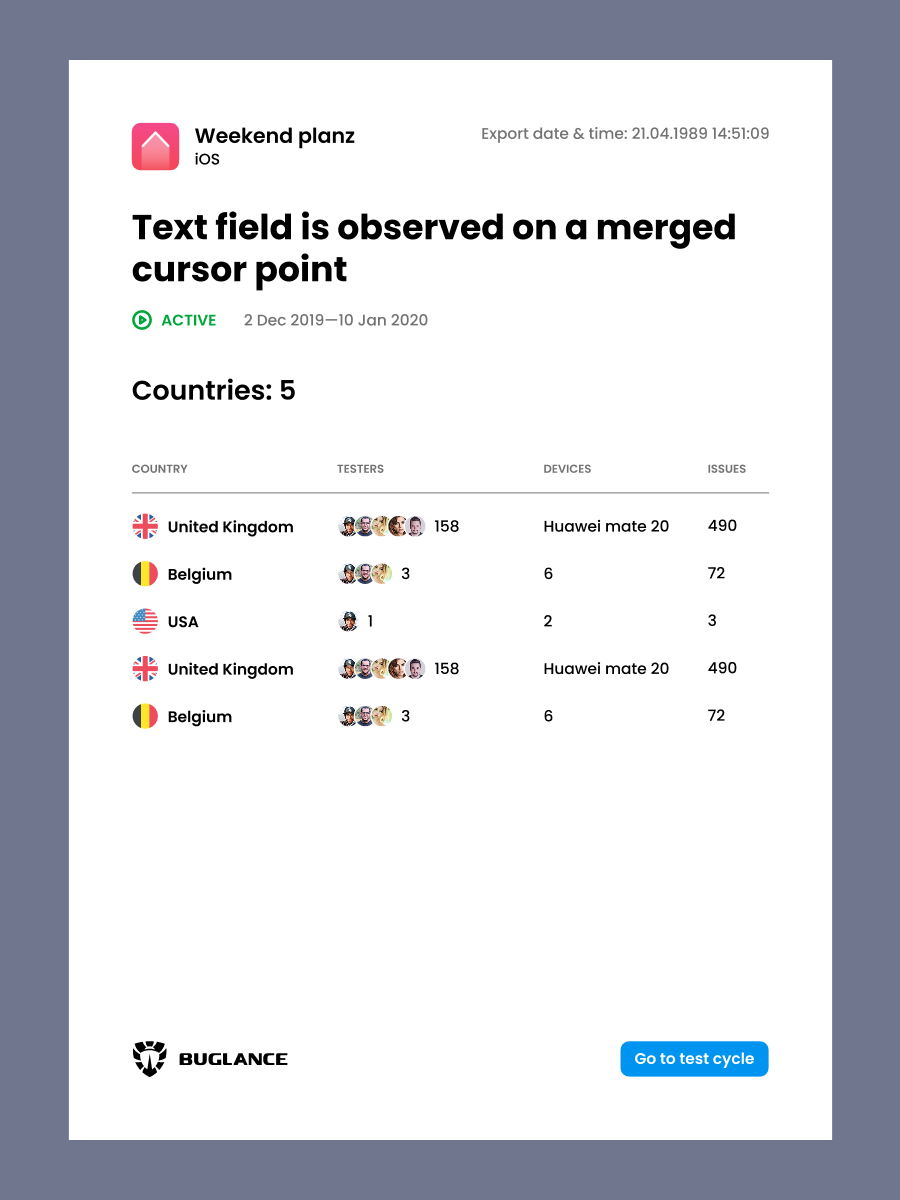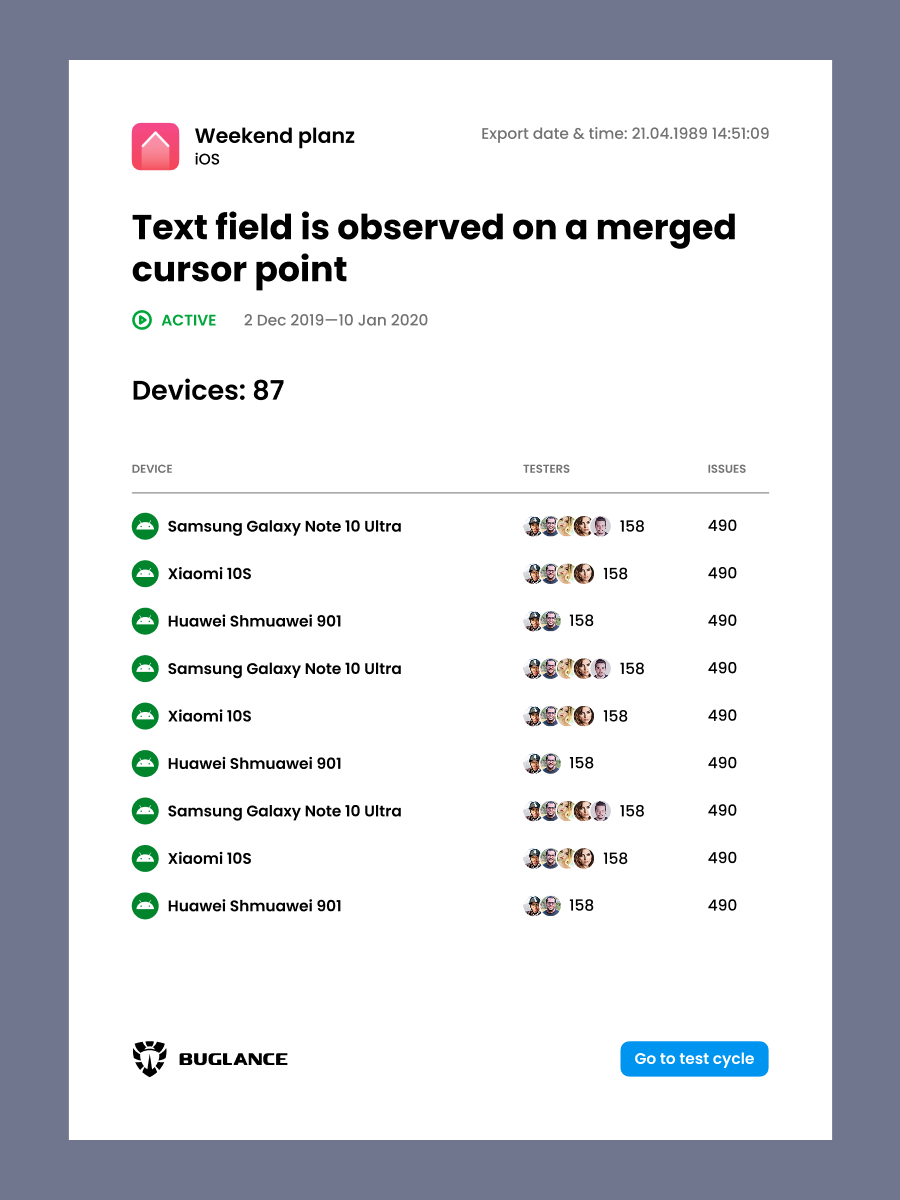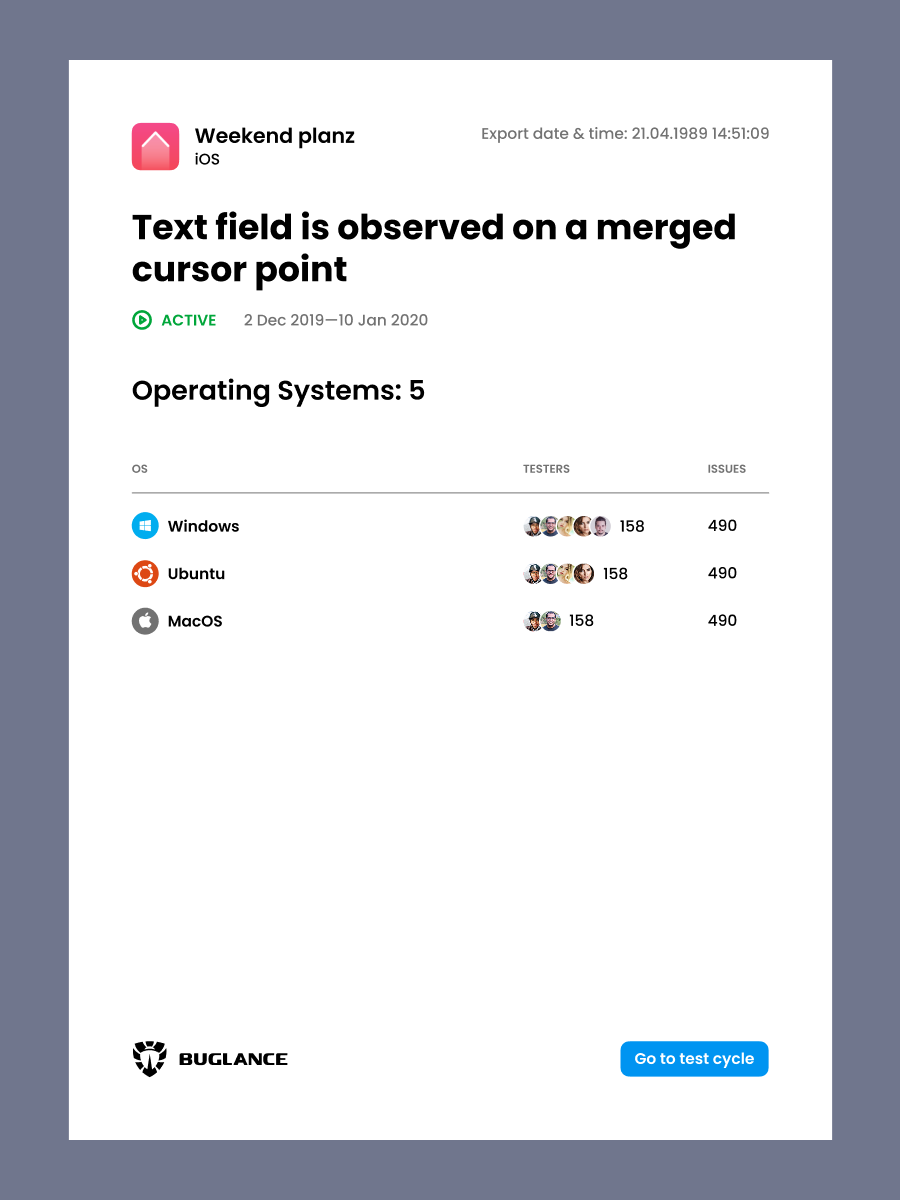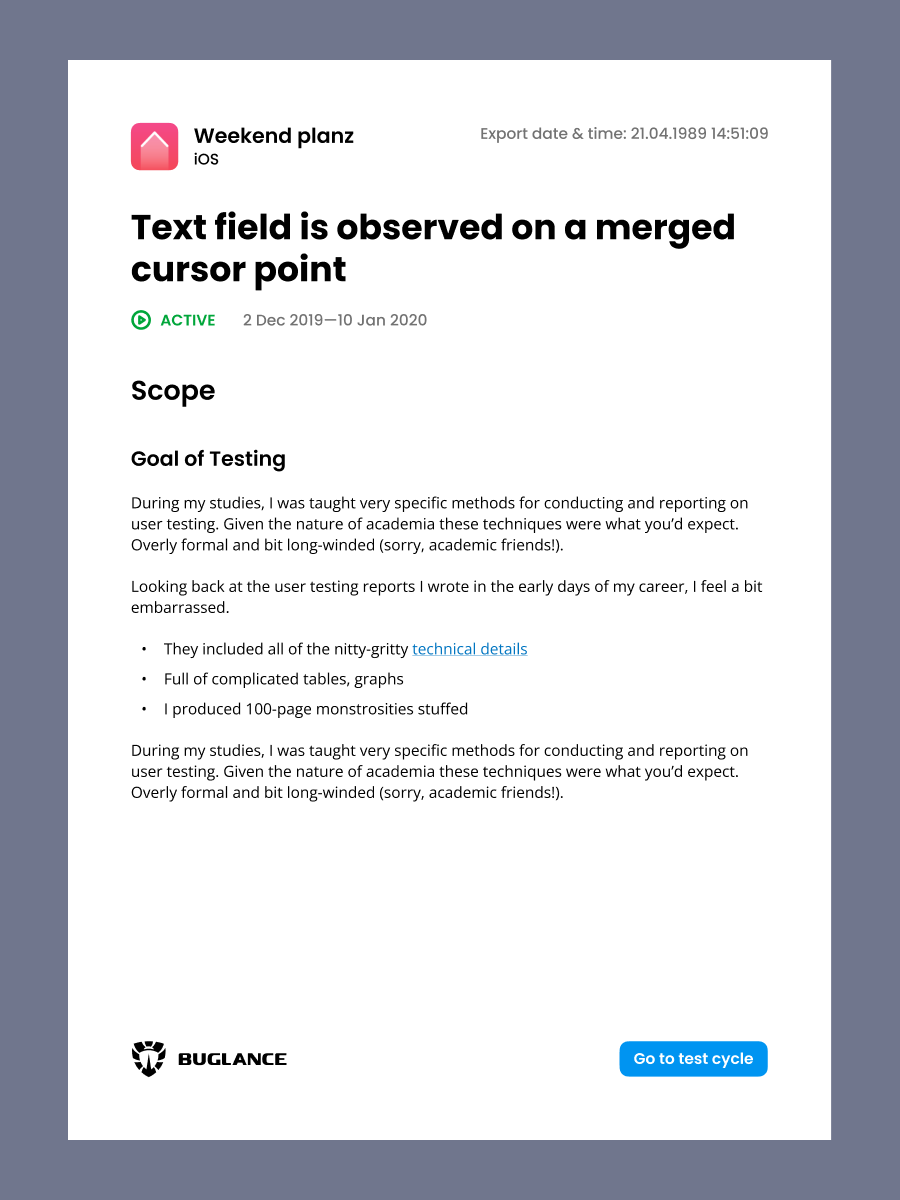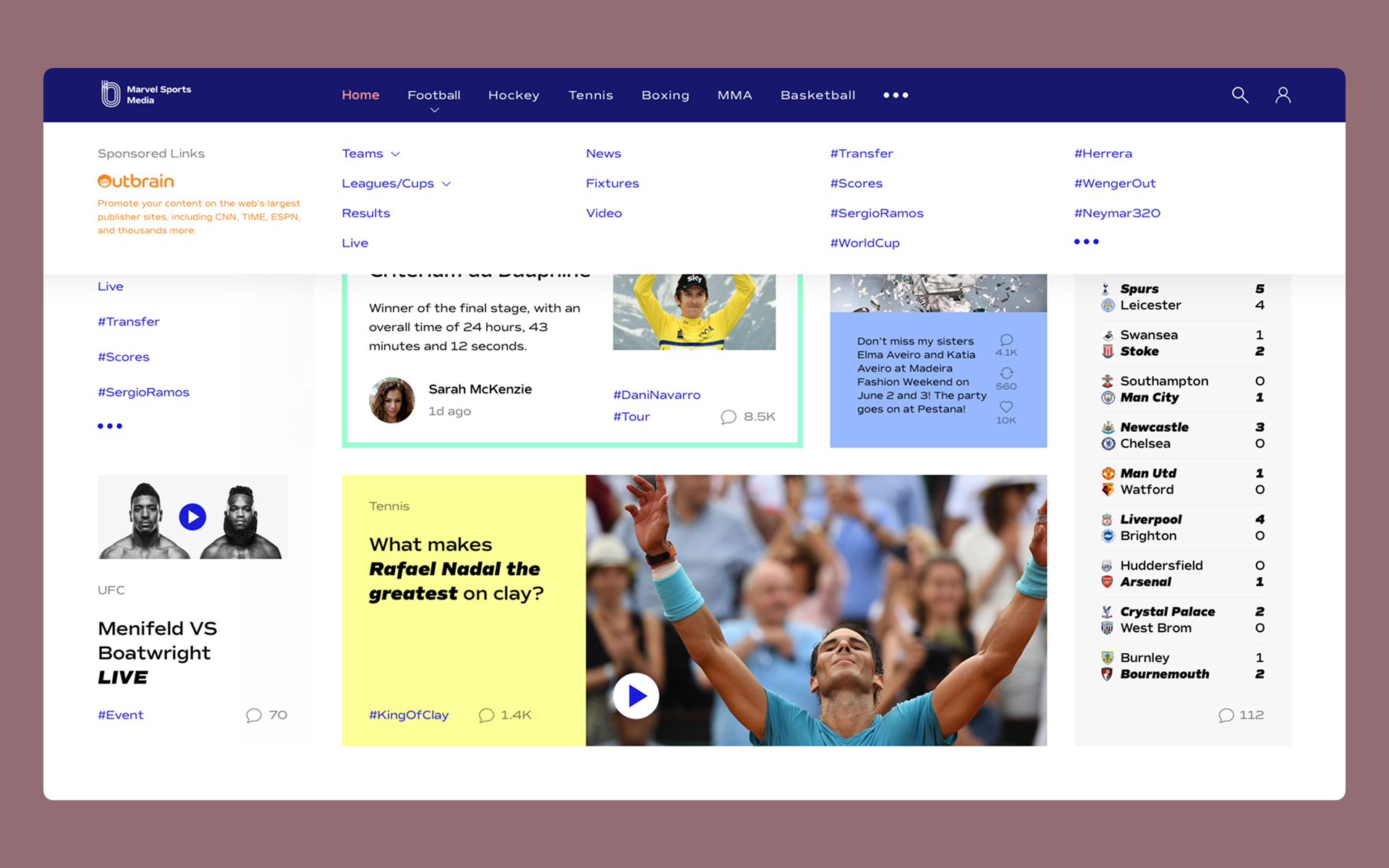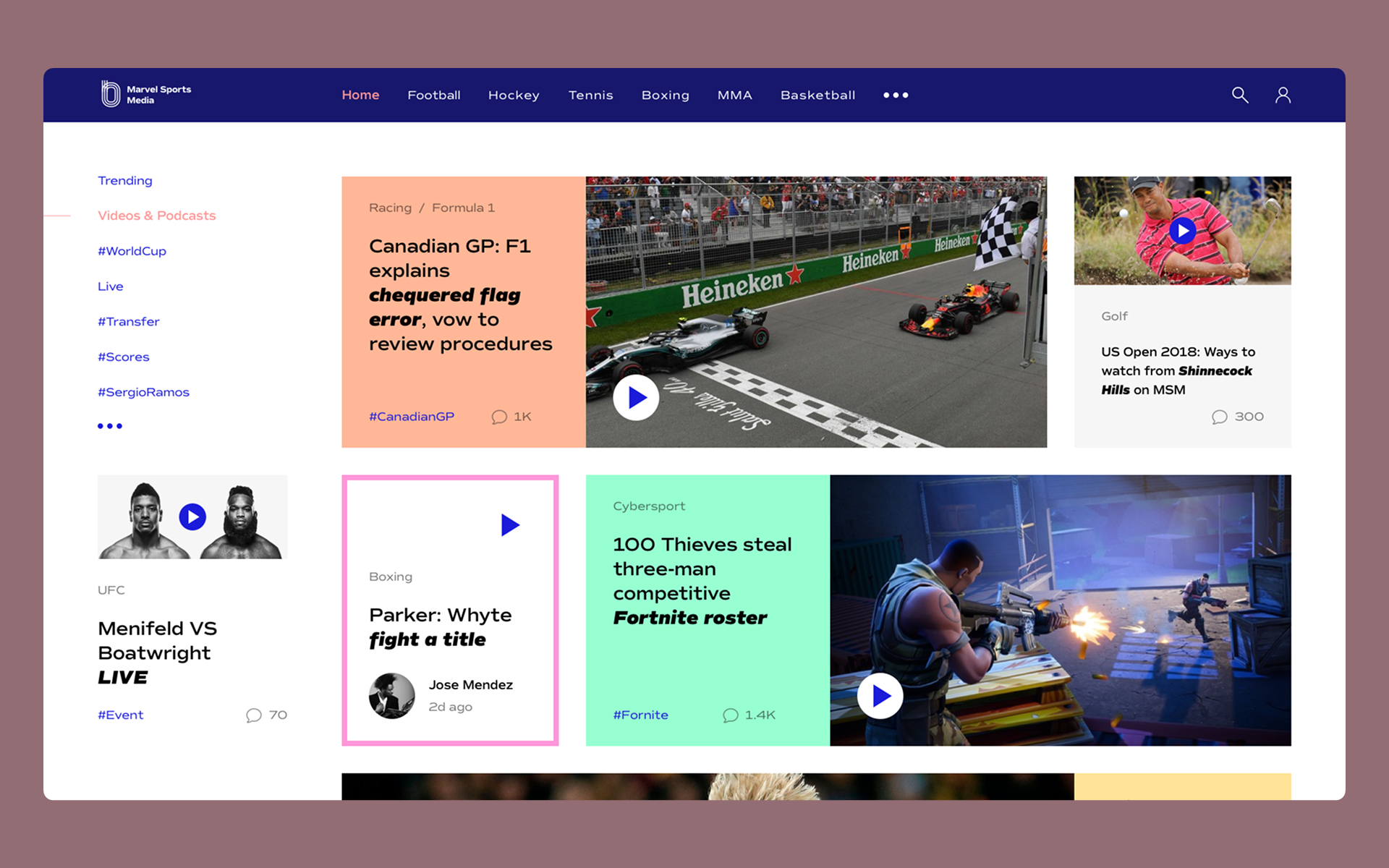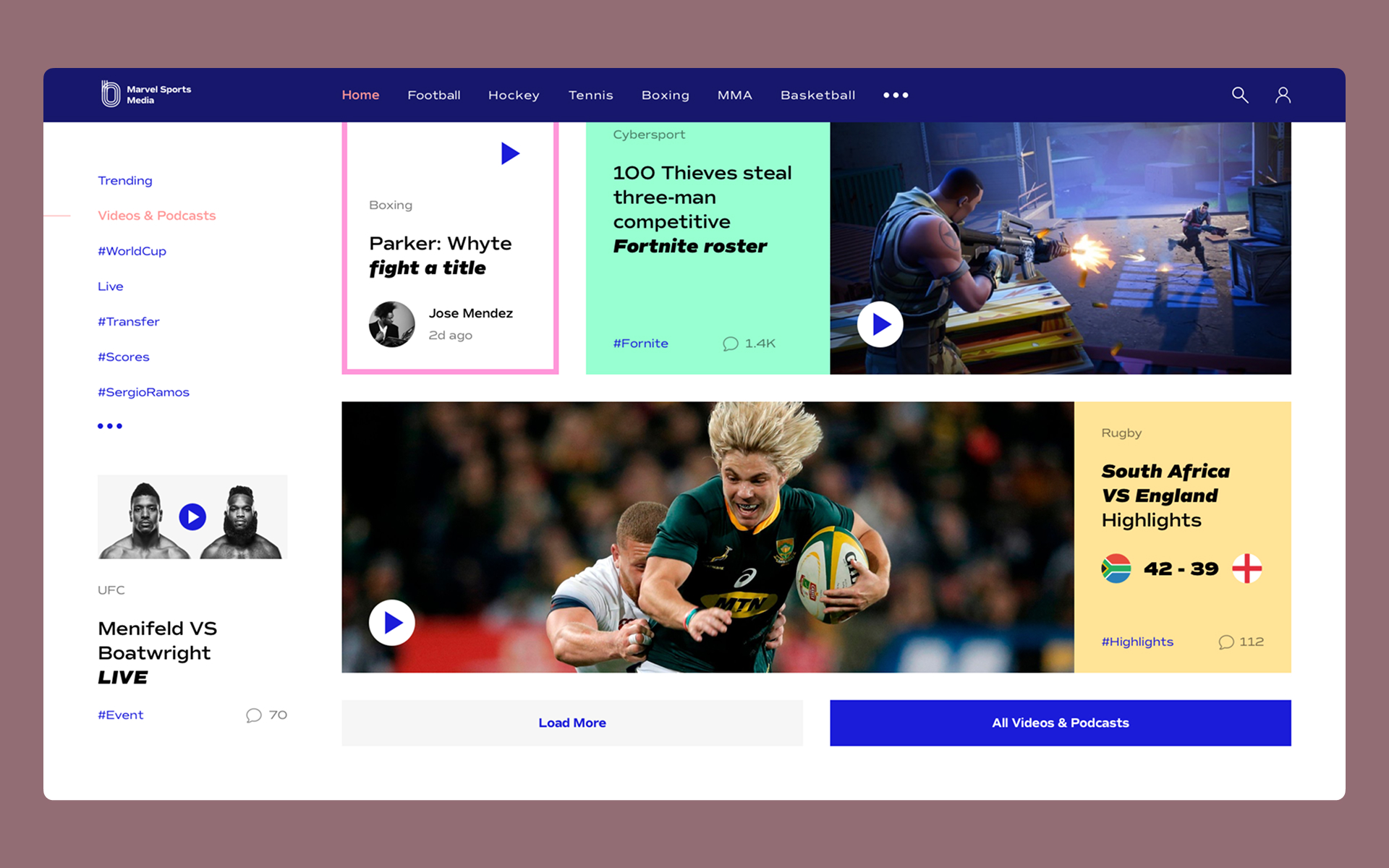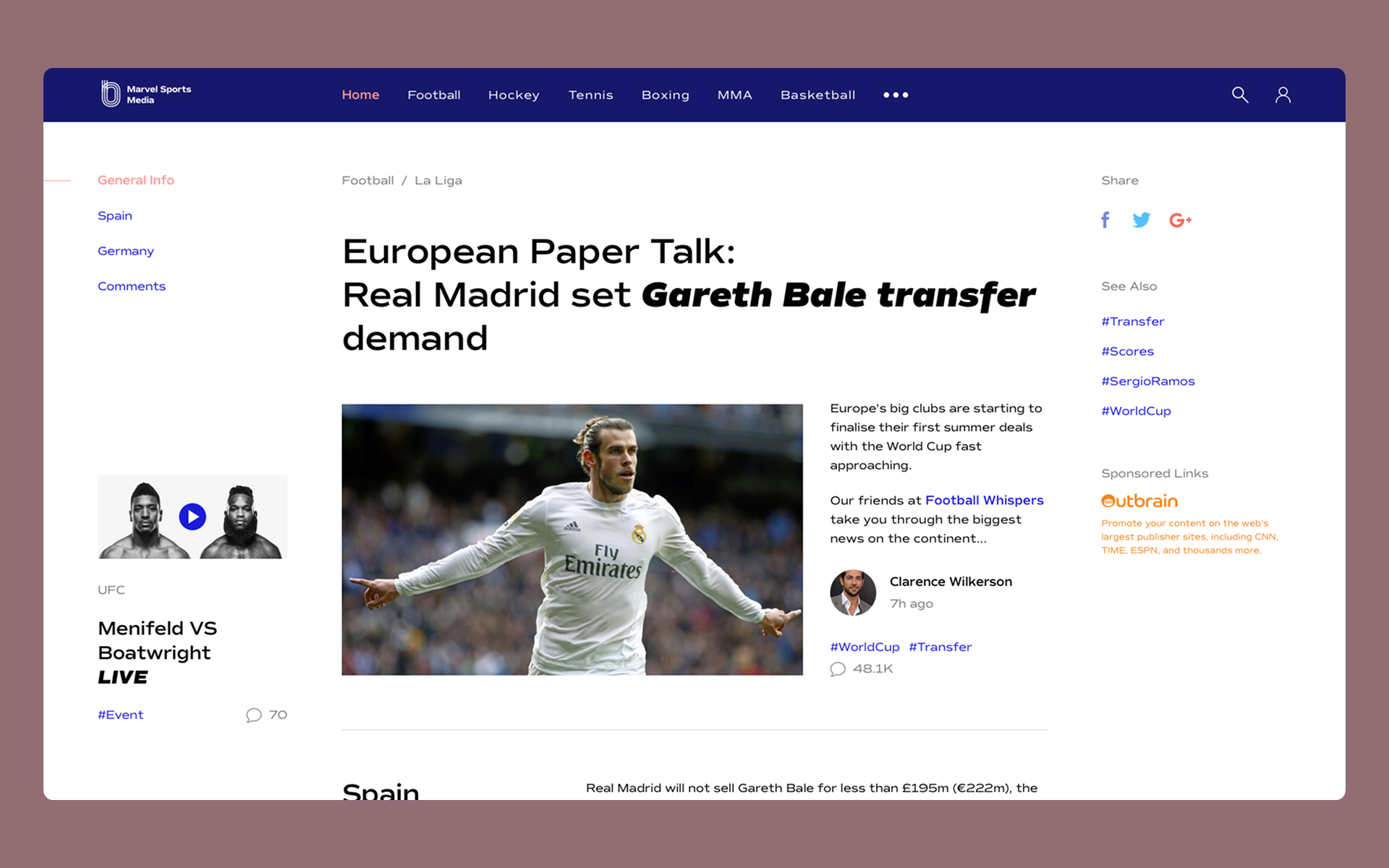
Led end-to-end product design and built the MVP brand for an AI platform
Copy LinkMore
Situation Quadcode was building one AI platform for coding, design and content creation, and the MVP needed a foundation for it: code and media agents in one place.
Task Design the entire product interface from scratch, build the visual identity, and make the agent workflows readable end to end.
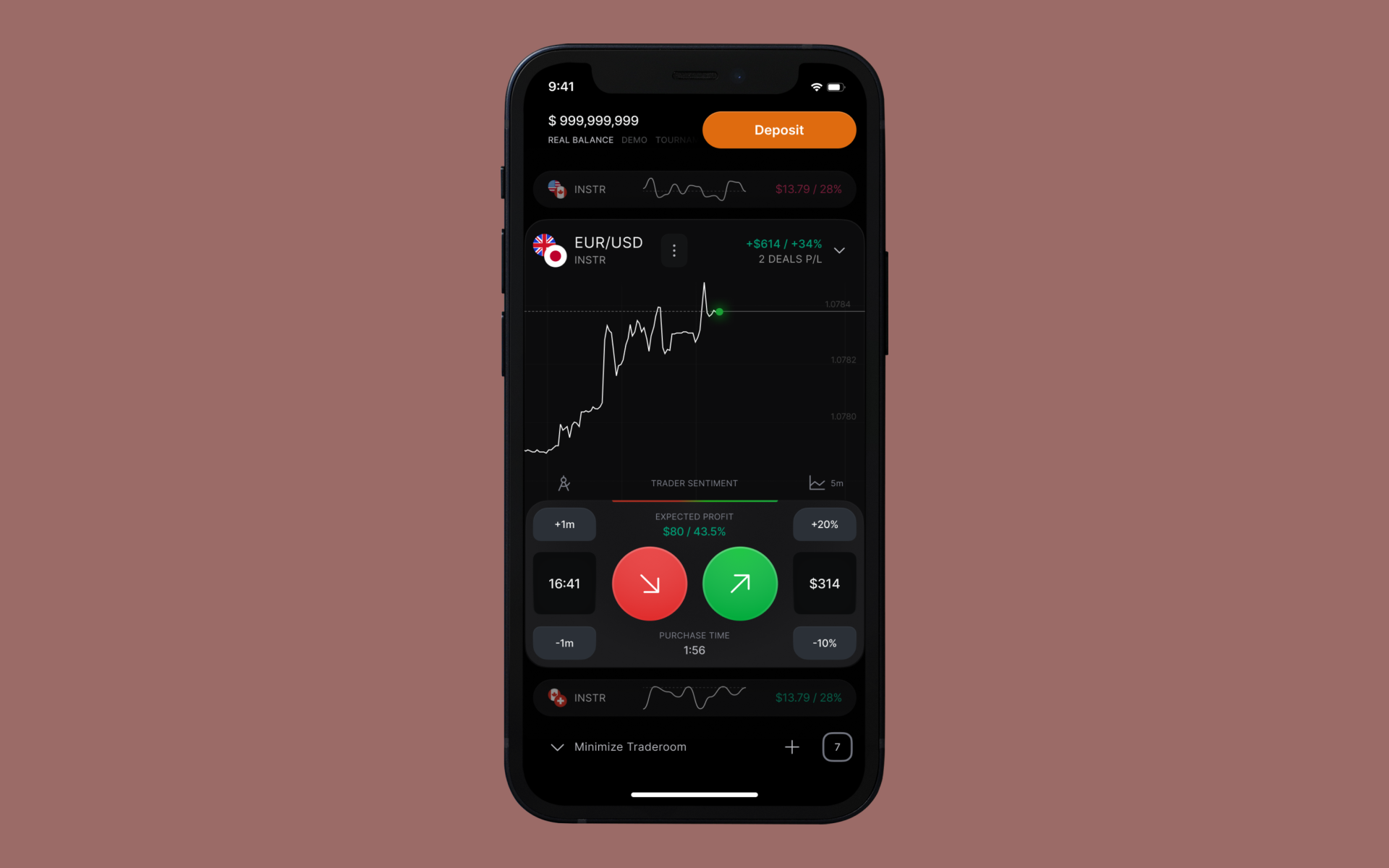
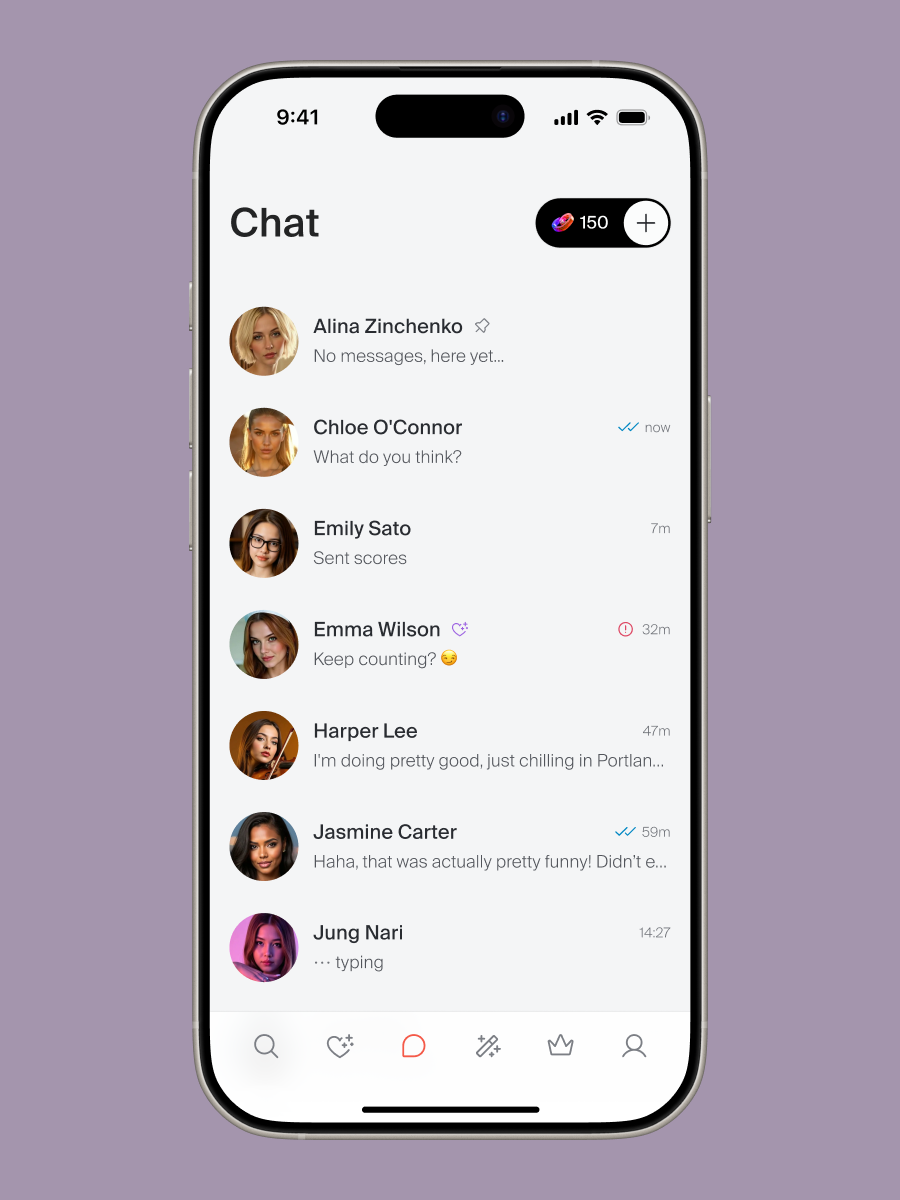
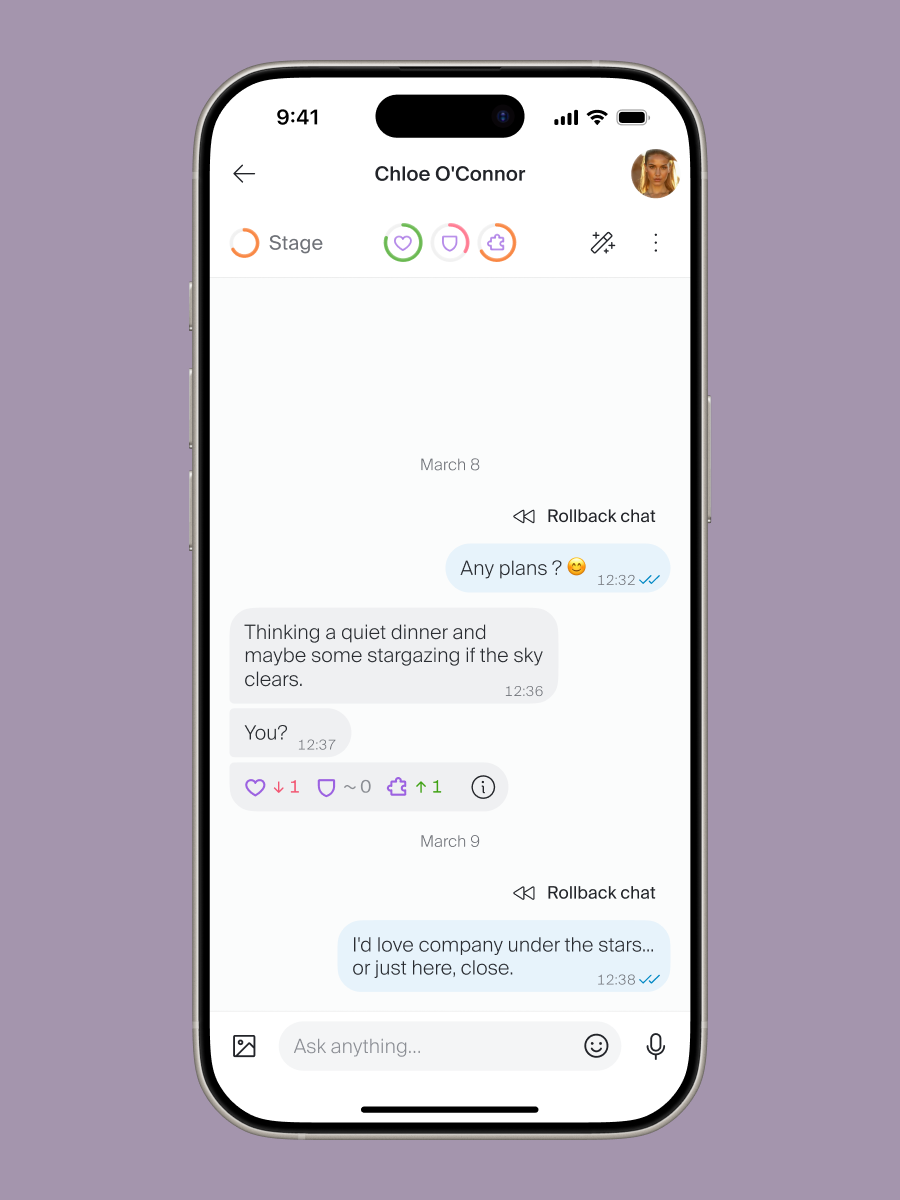
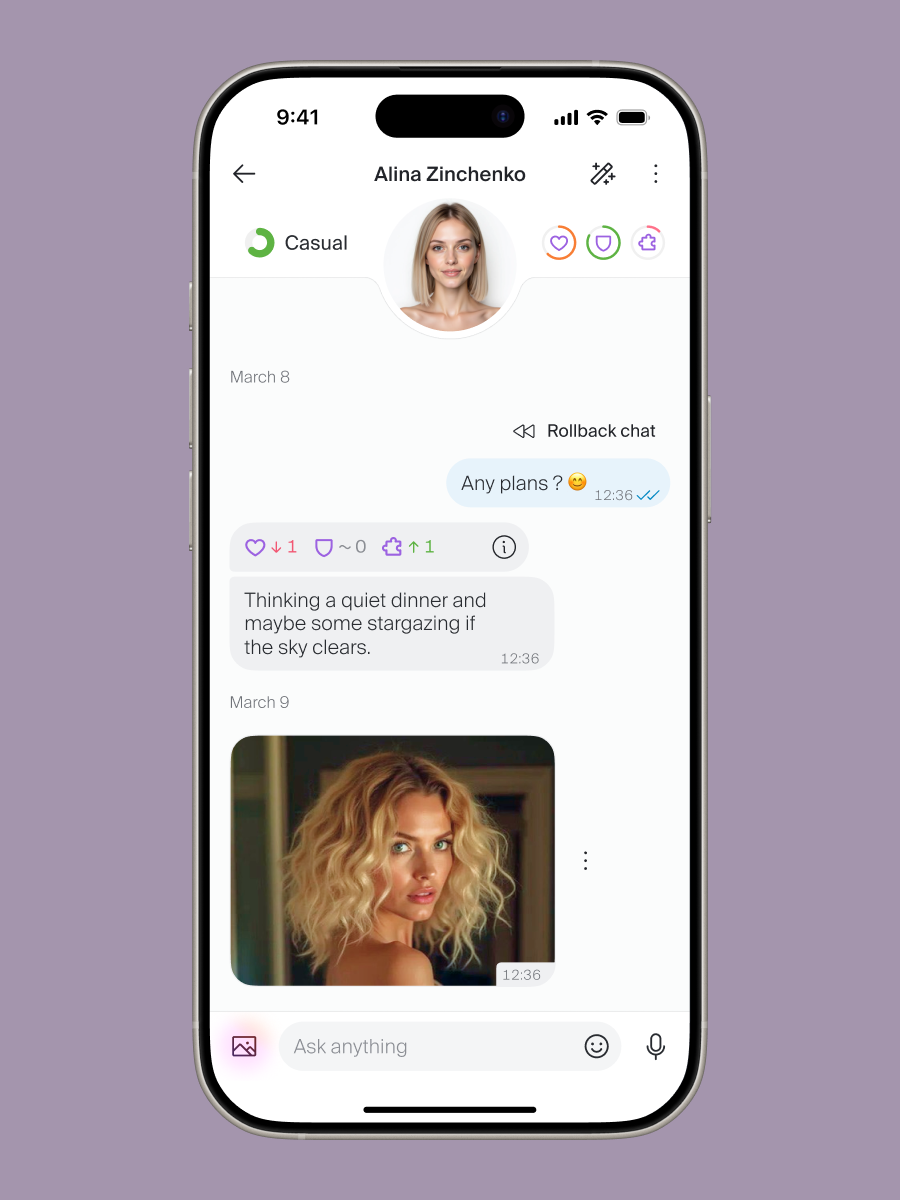
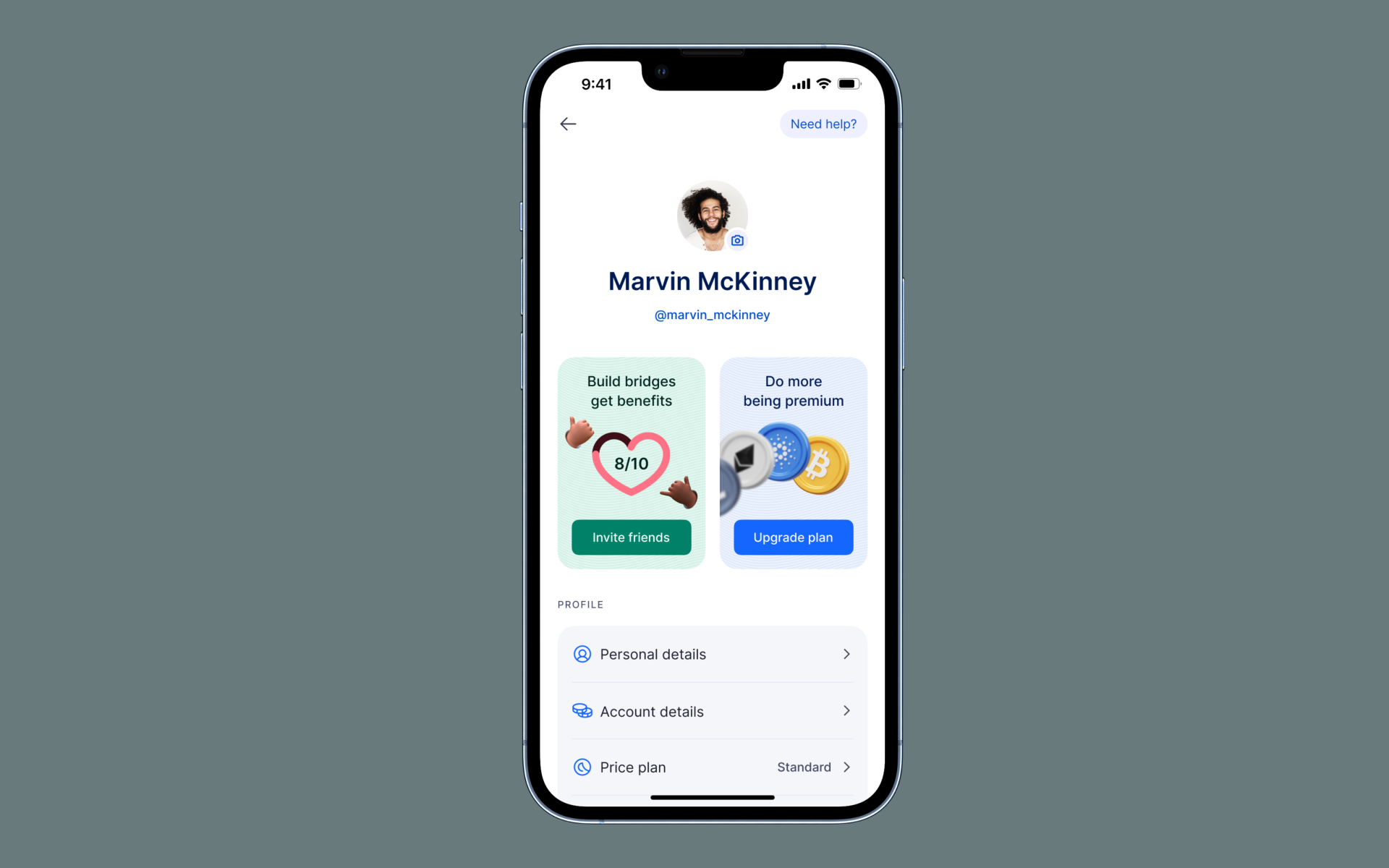
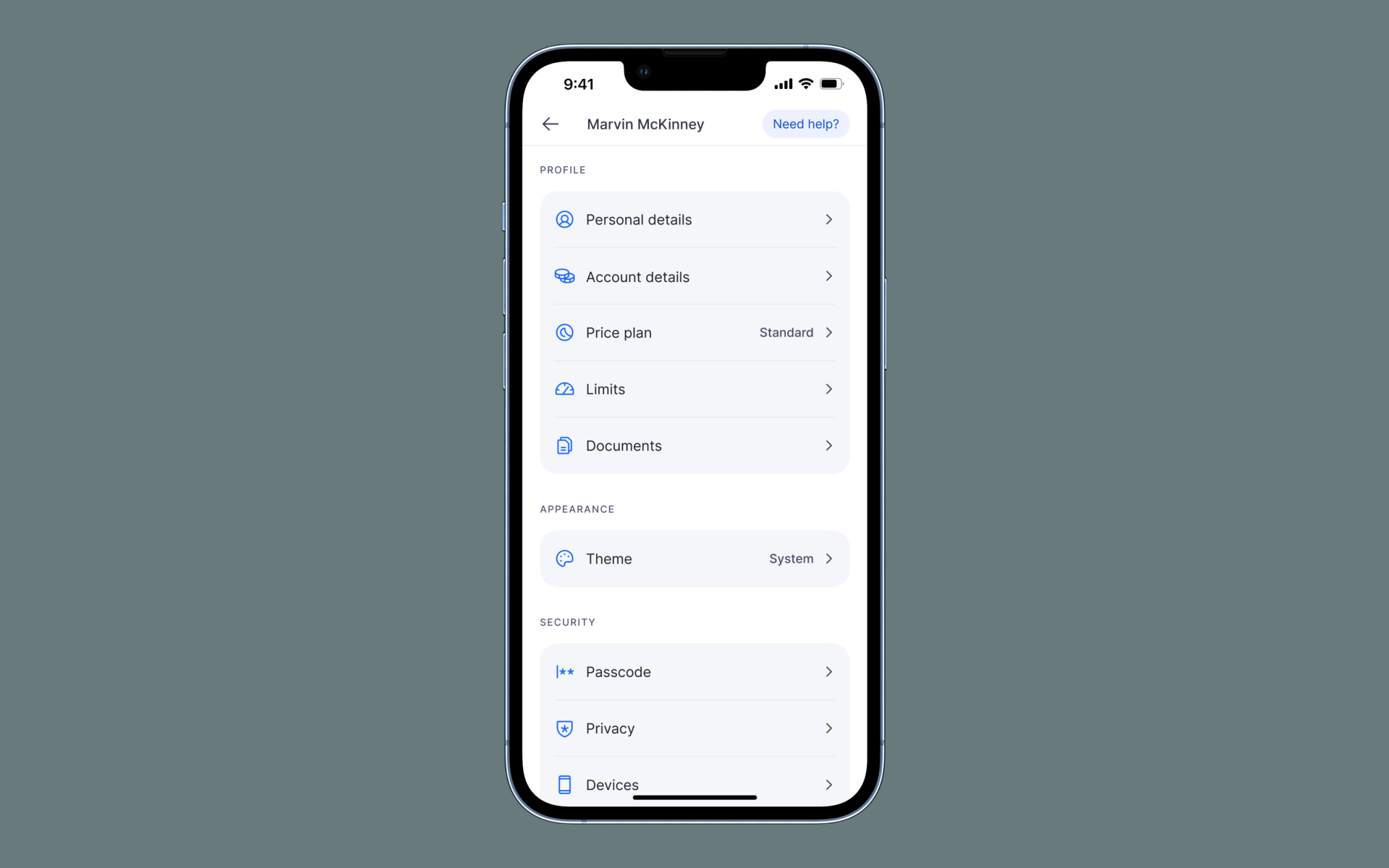
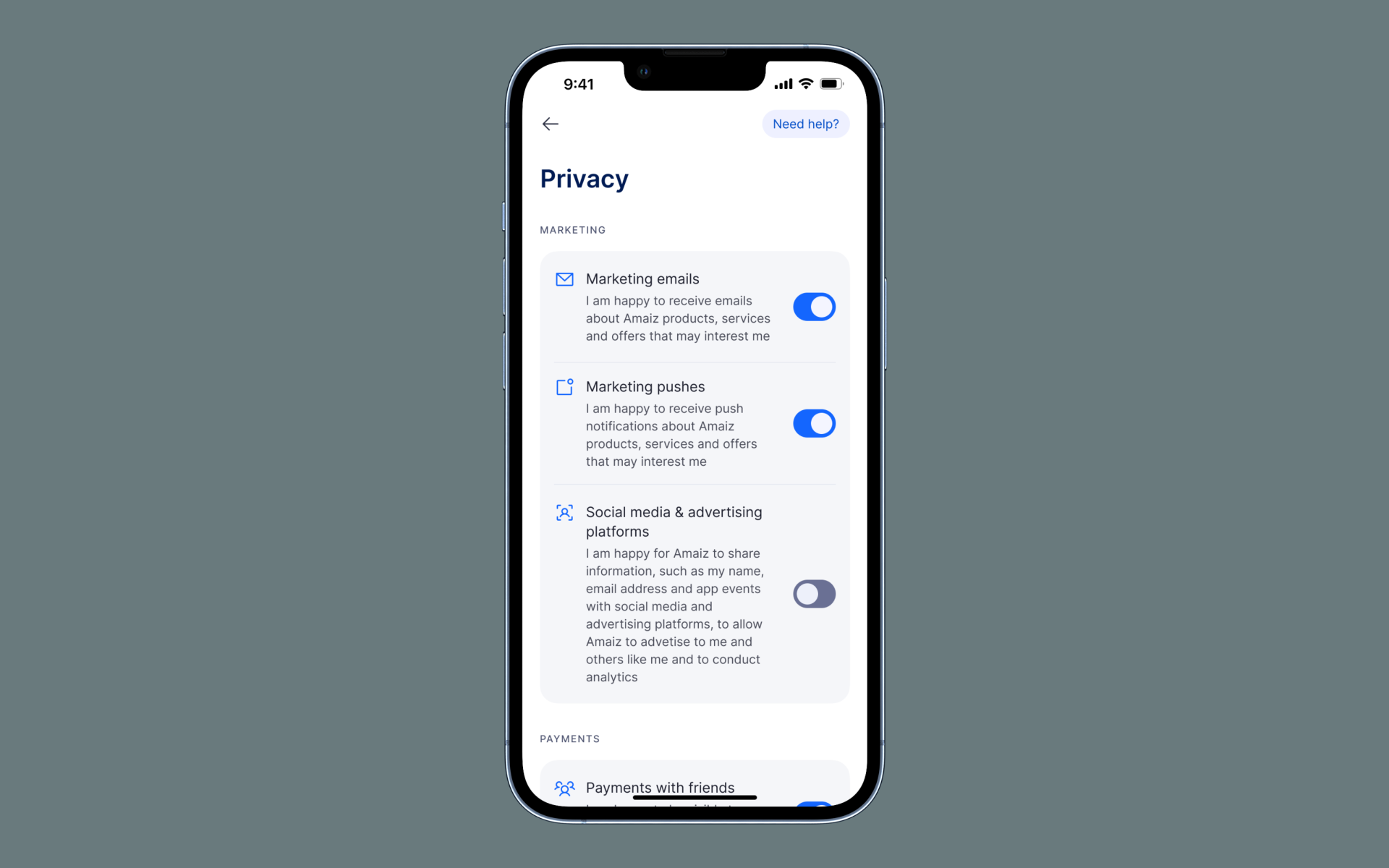
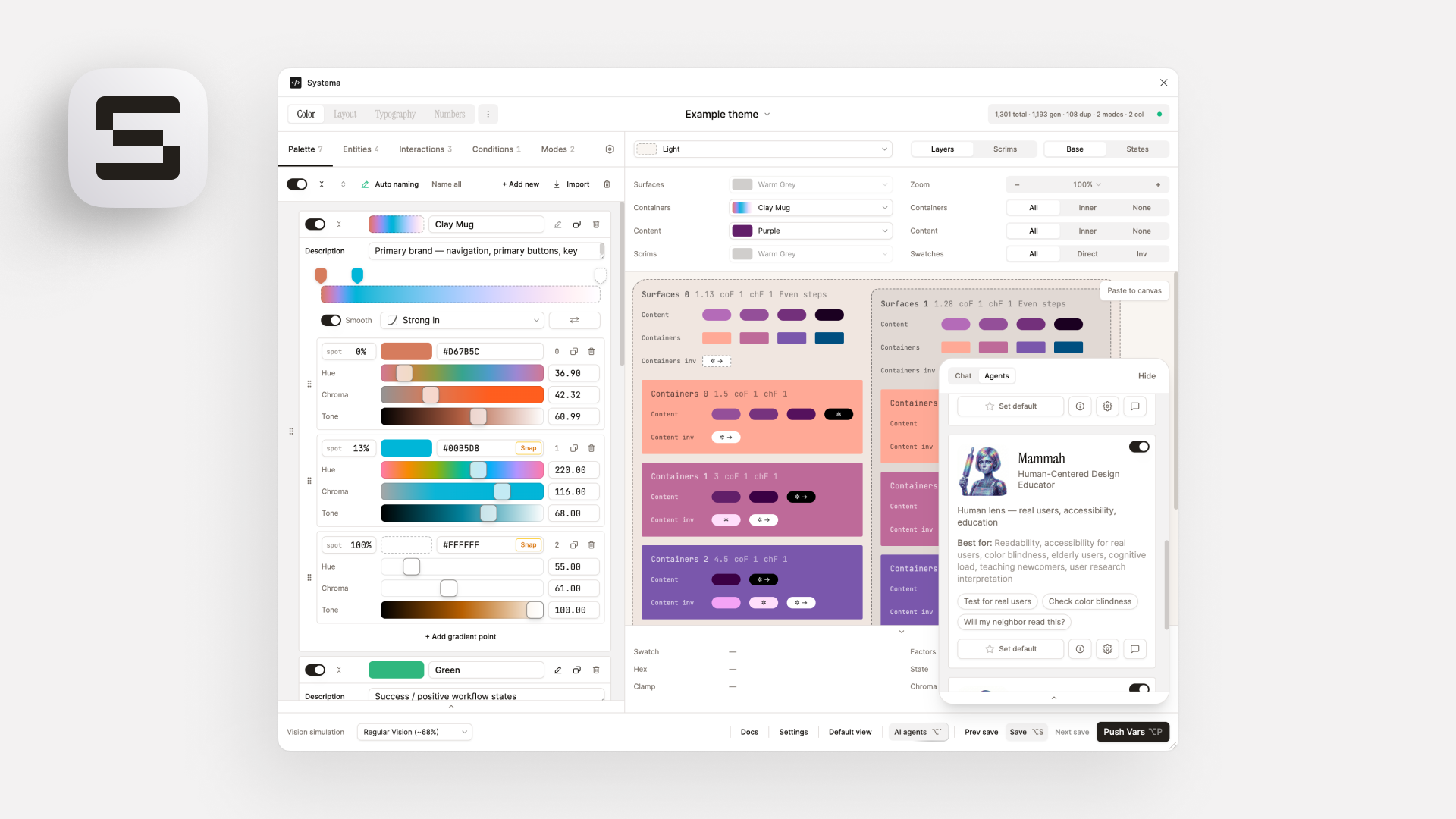
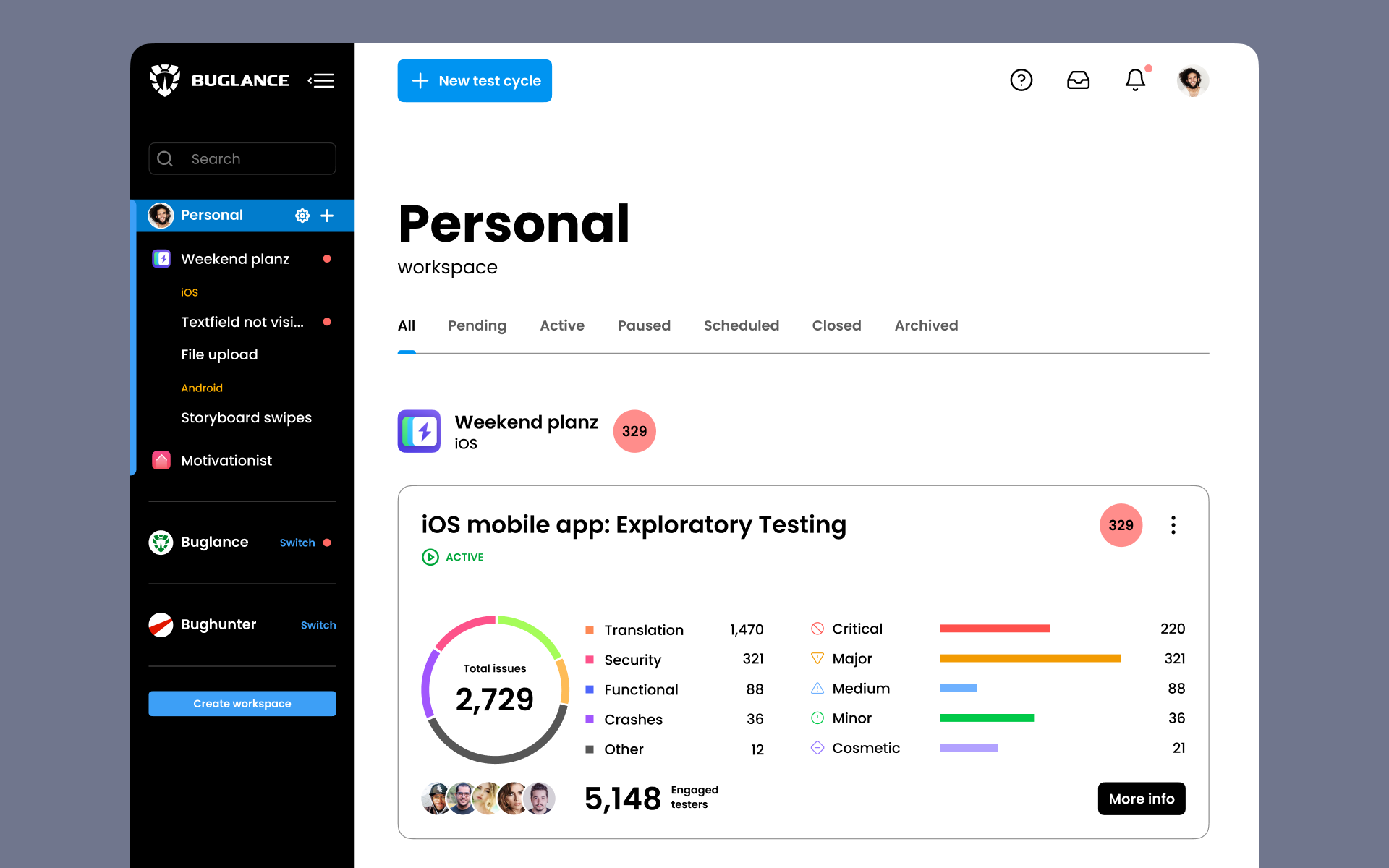
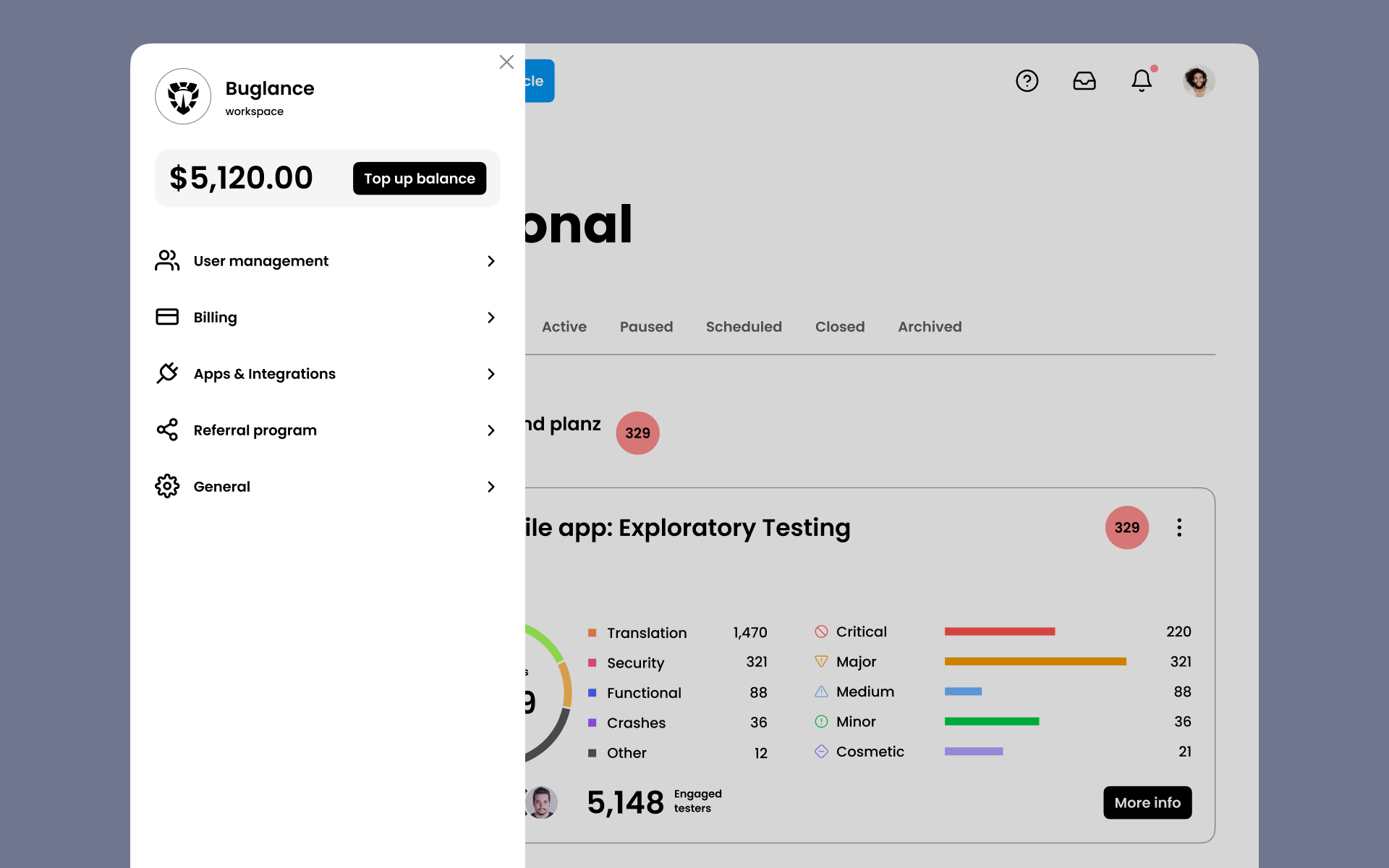
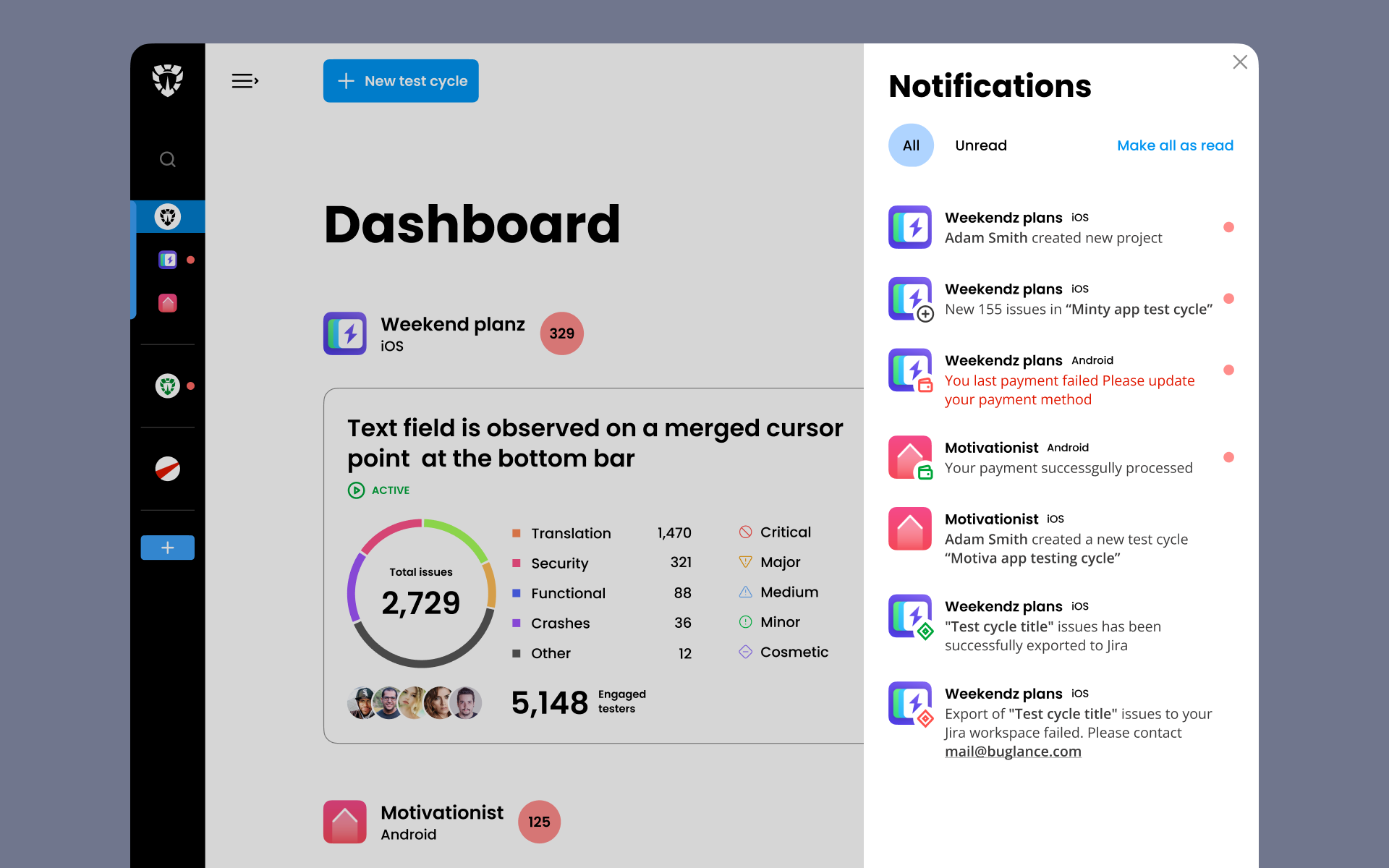
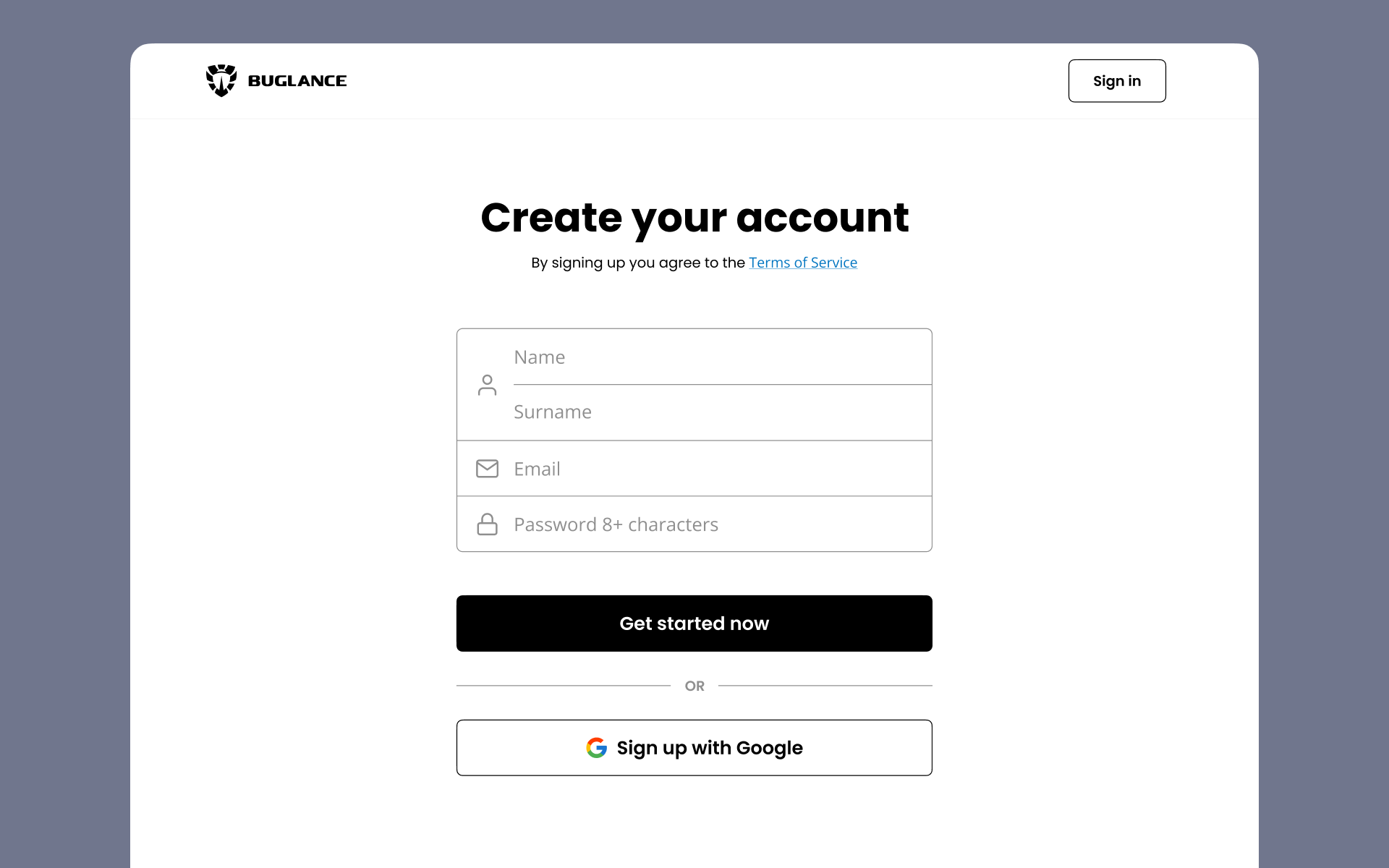
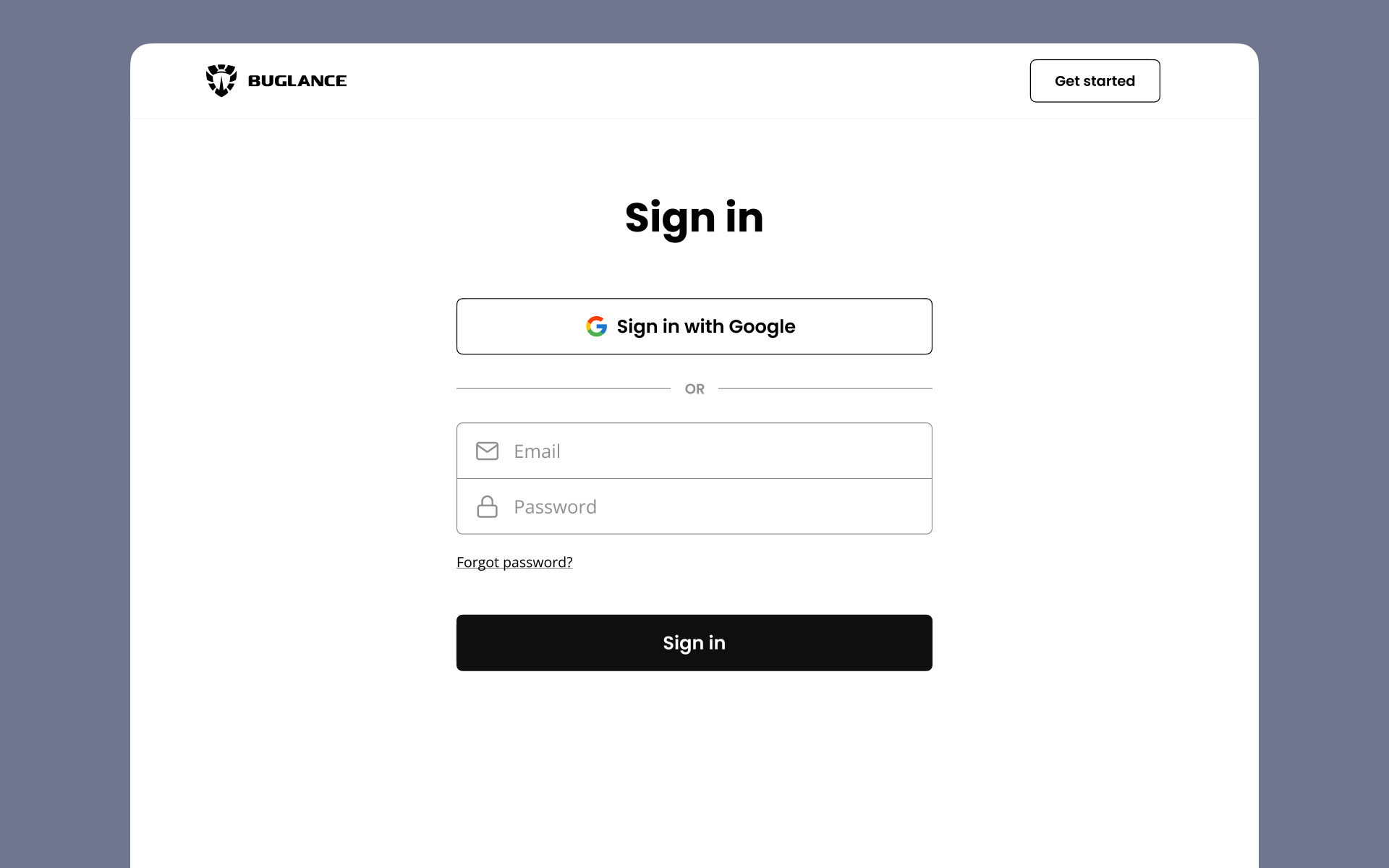
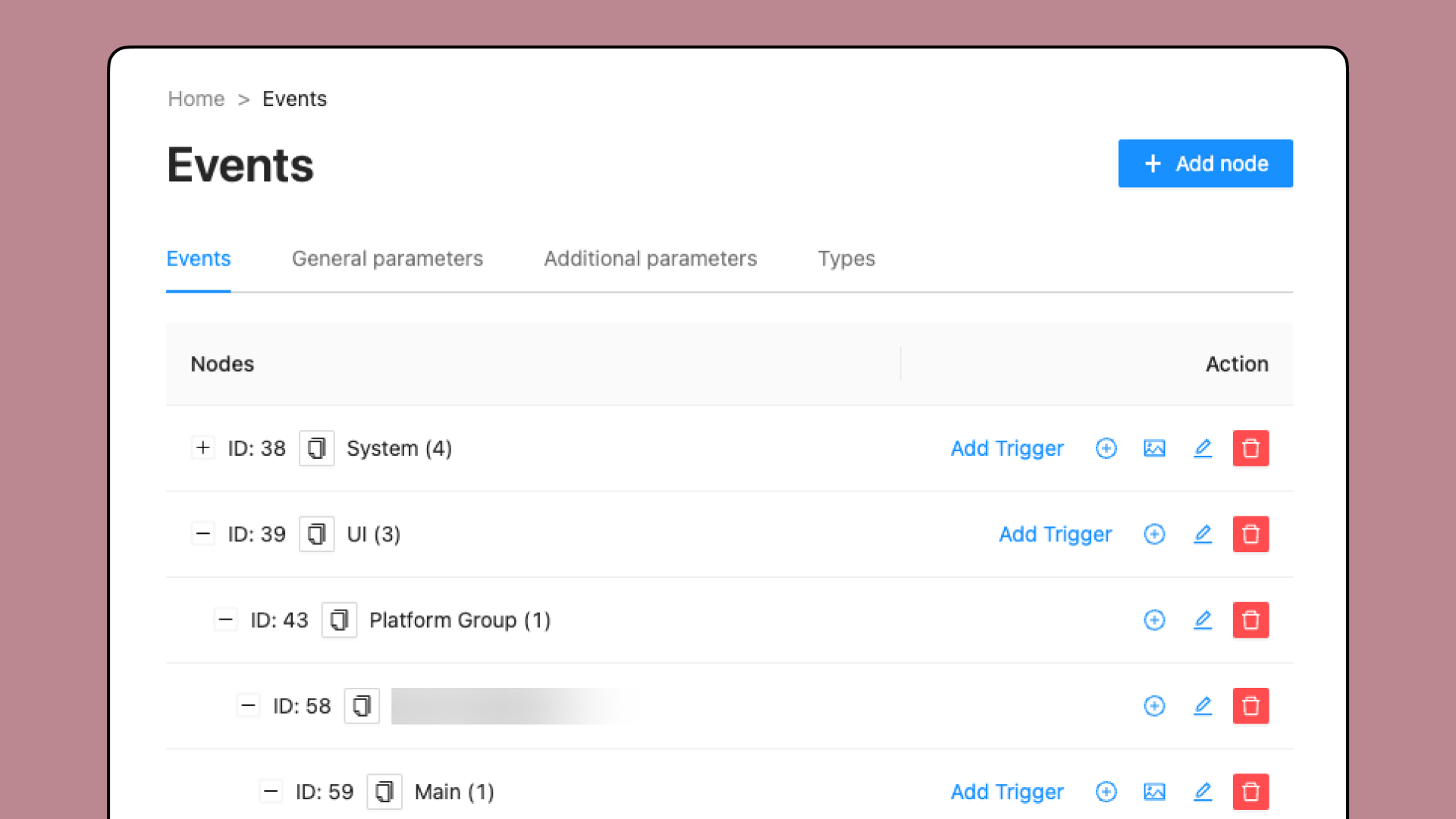
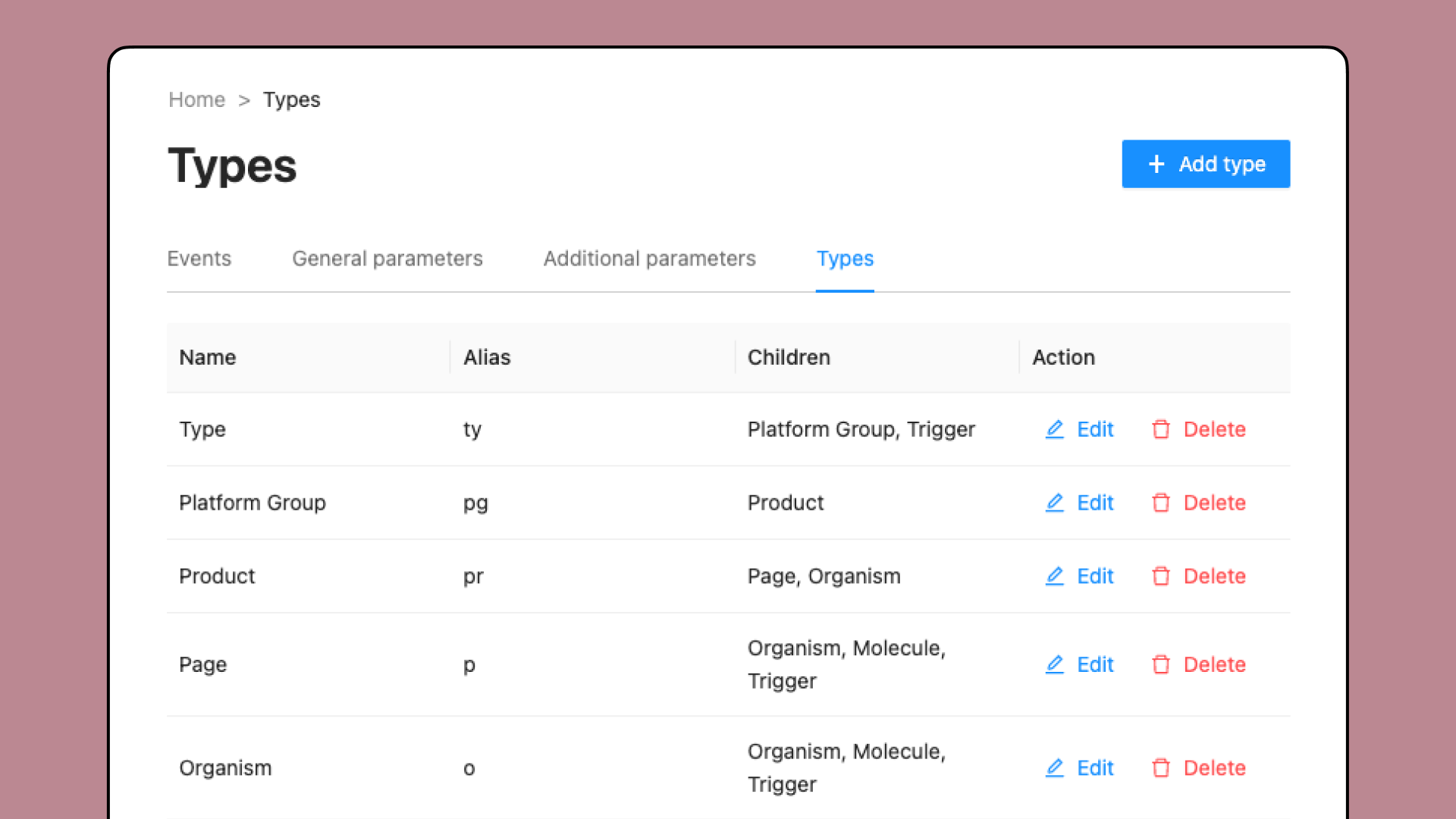
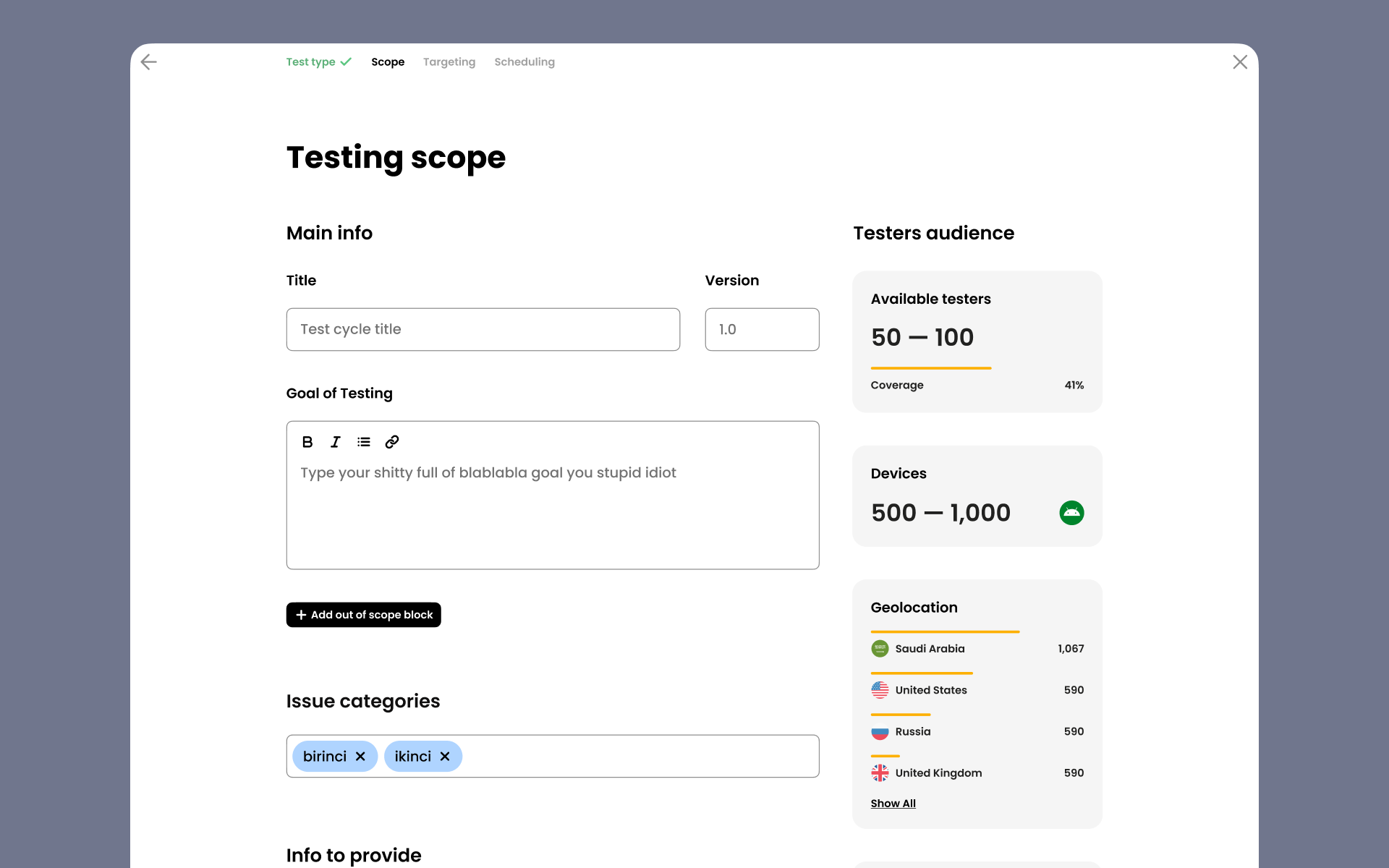
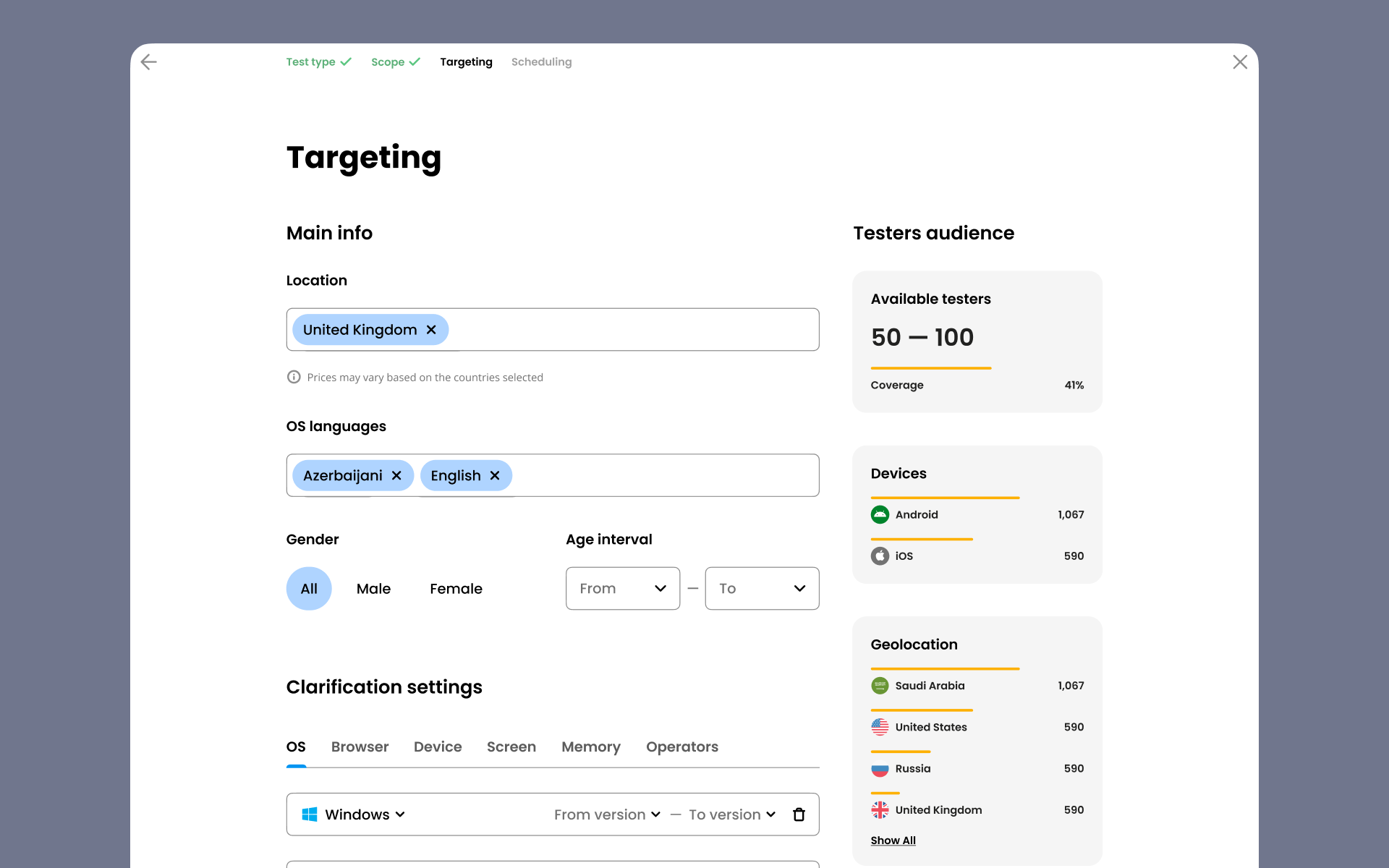
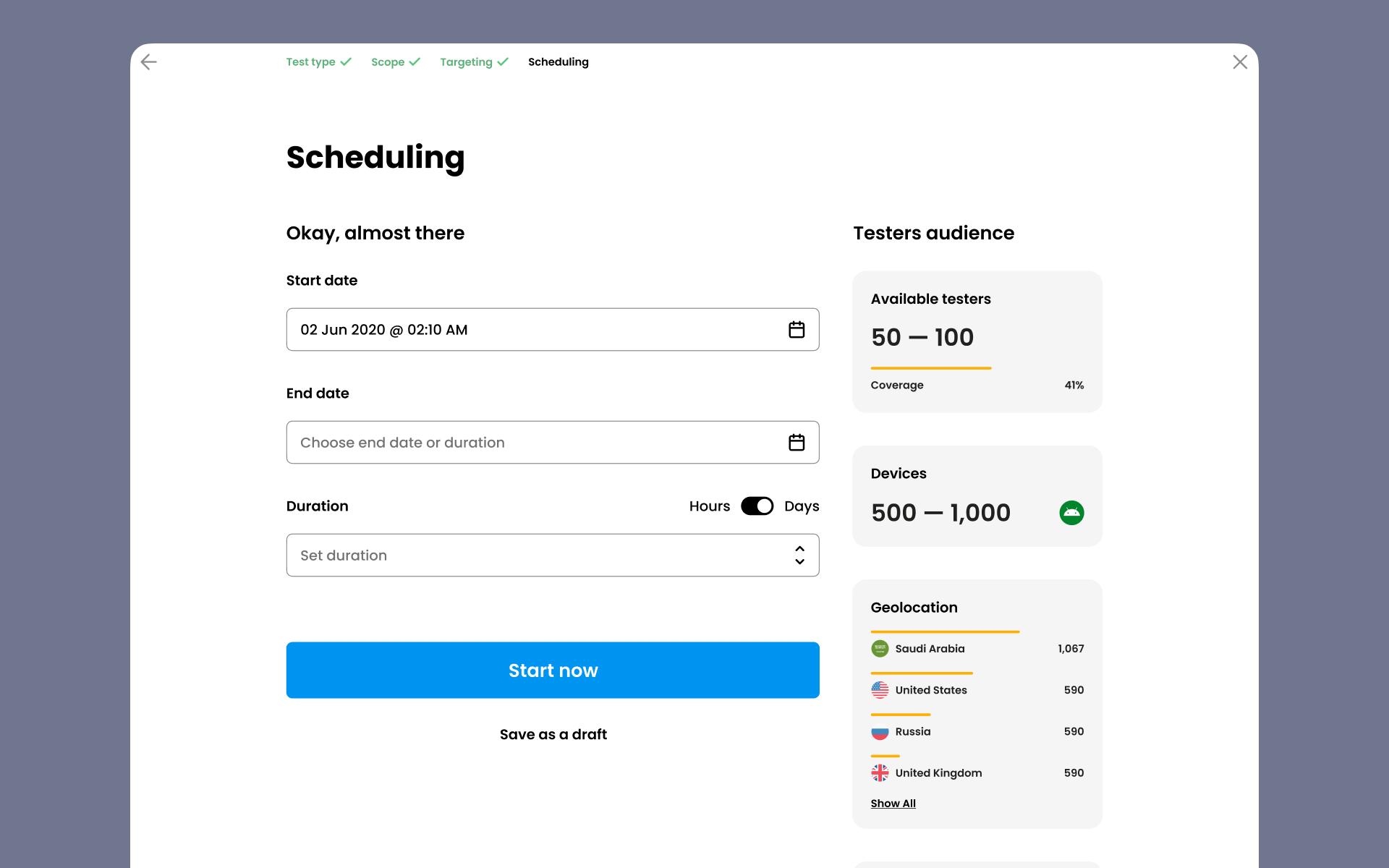
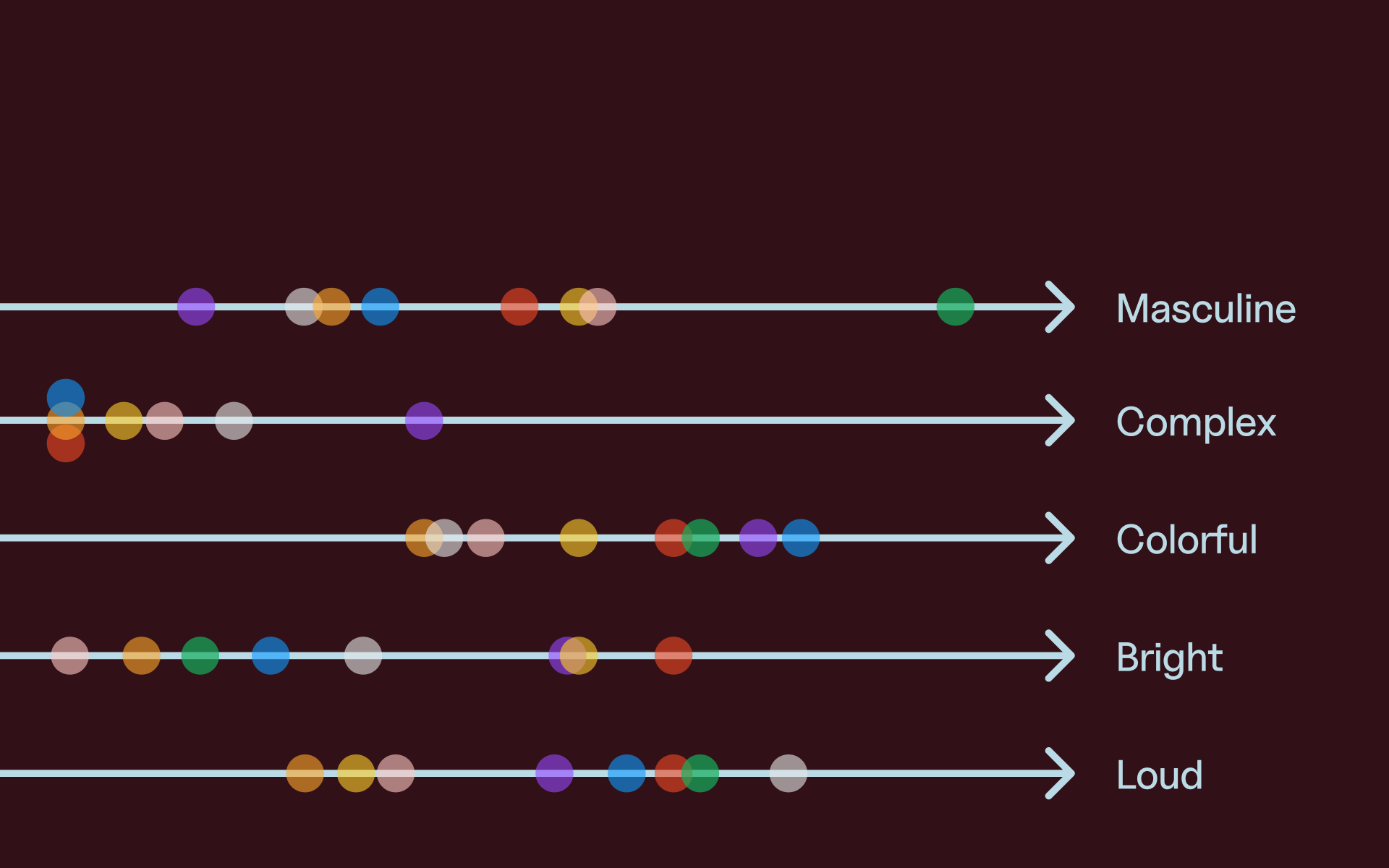
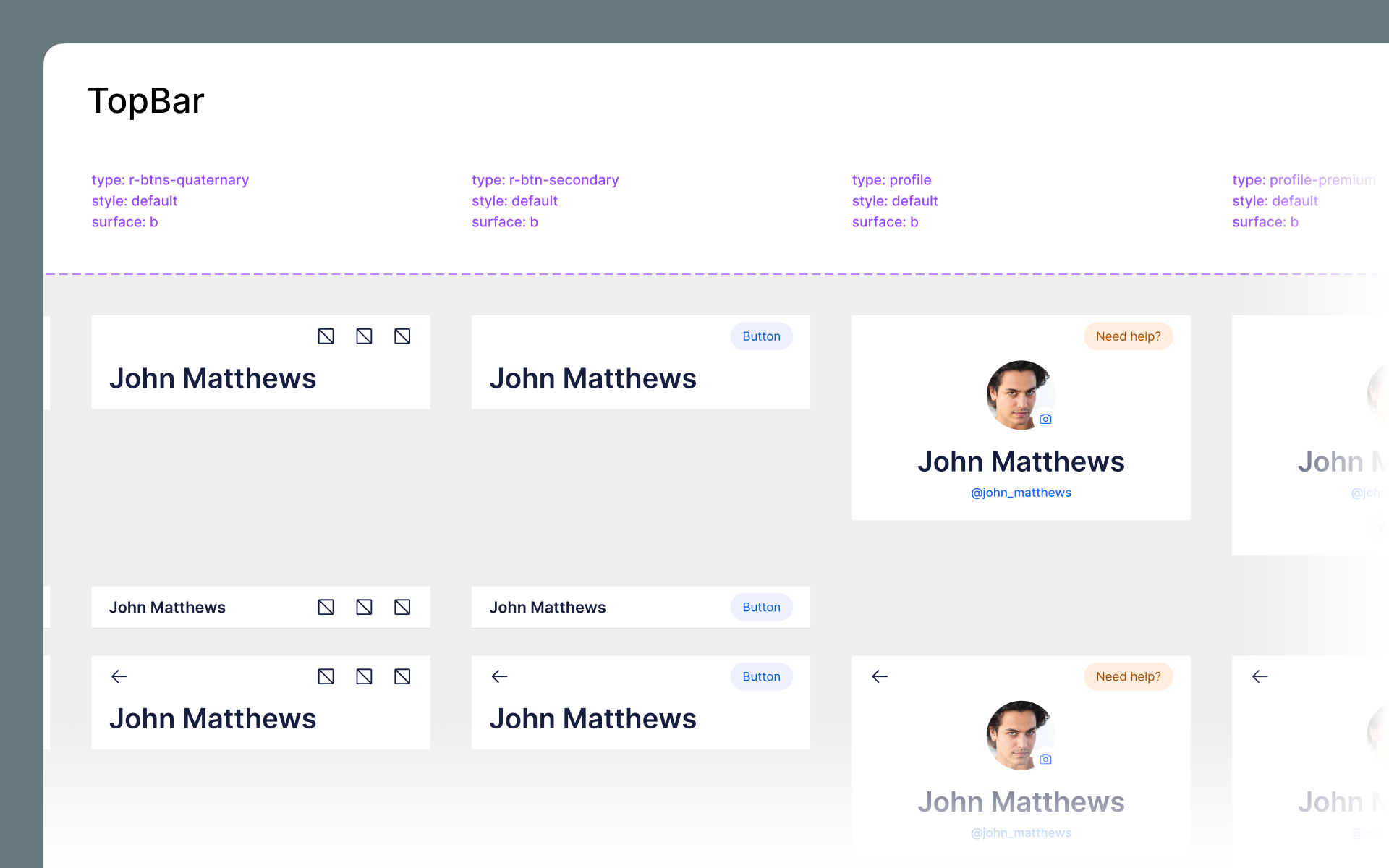
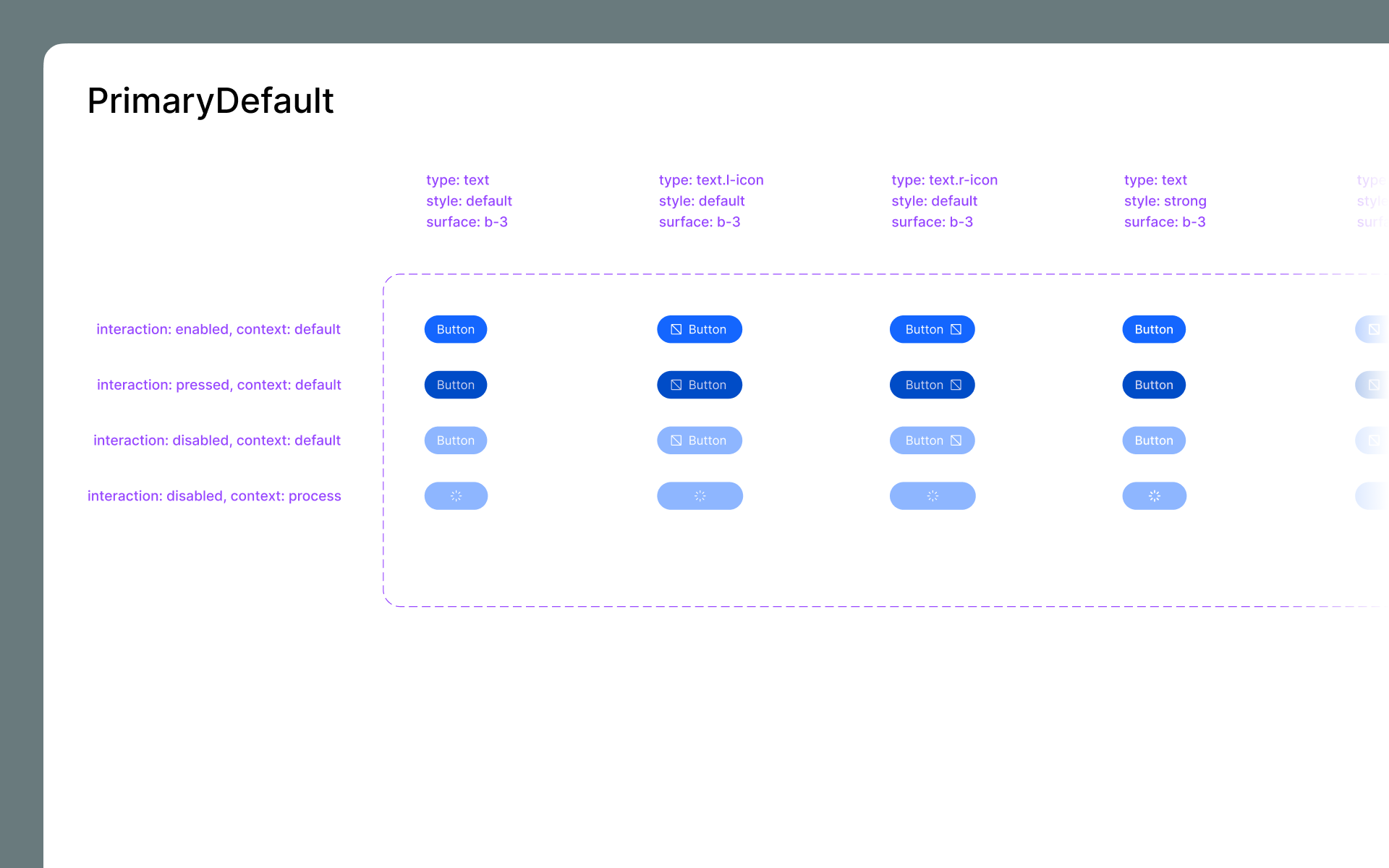
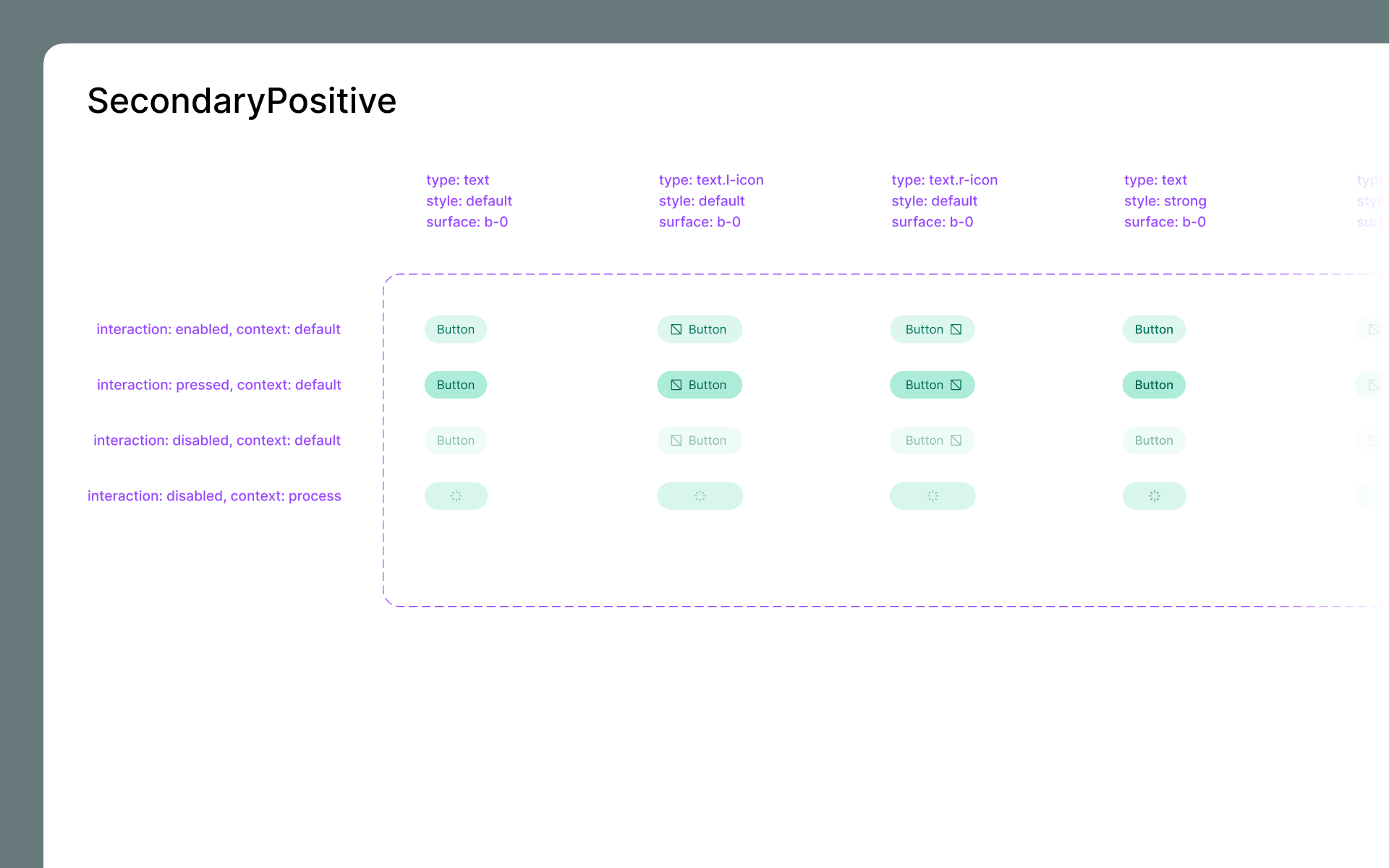
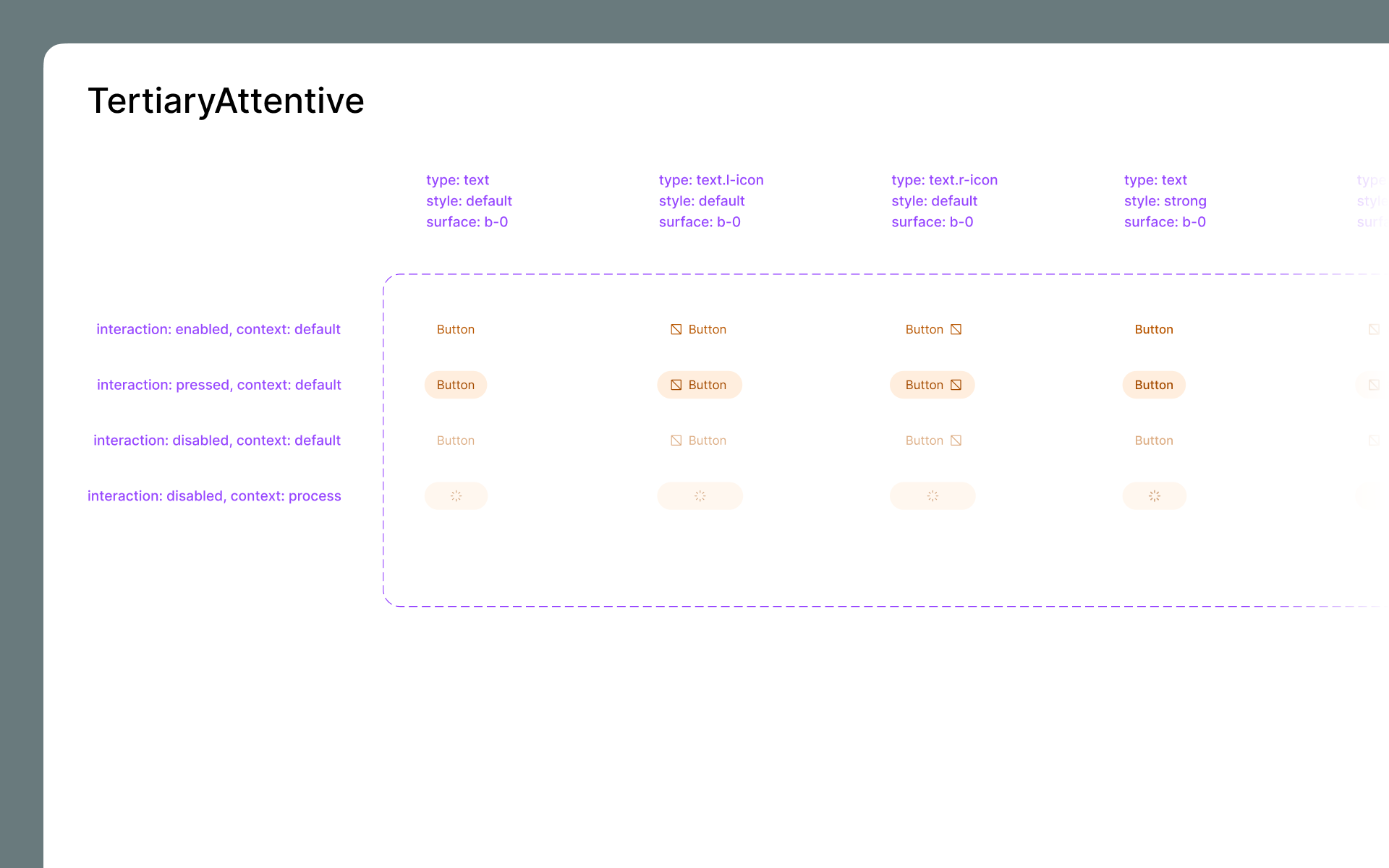
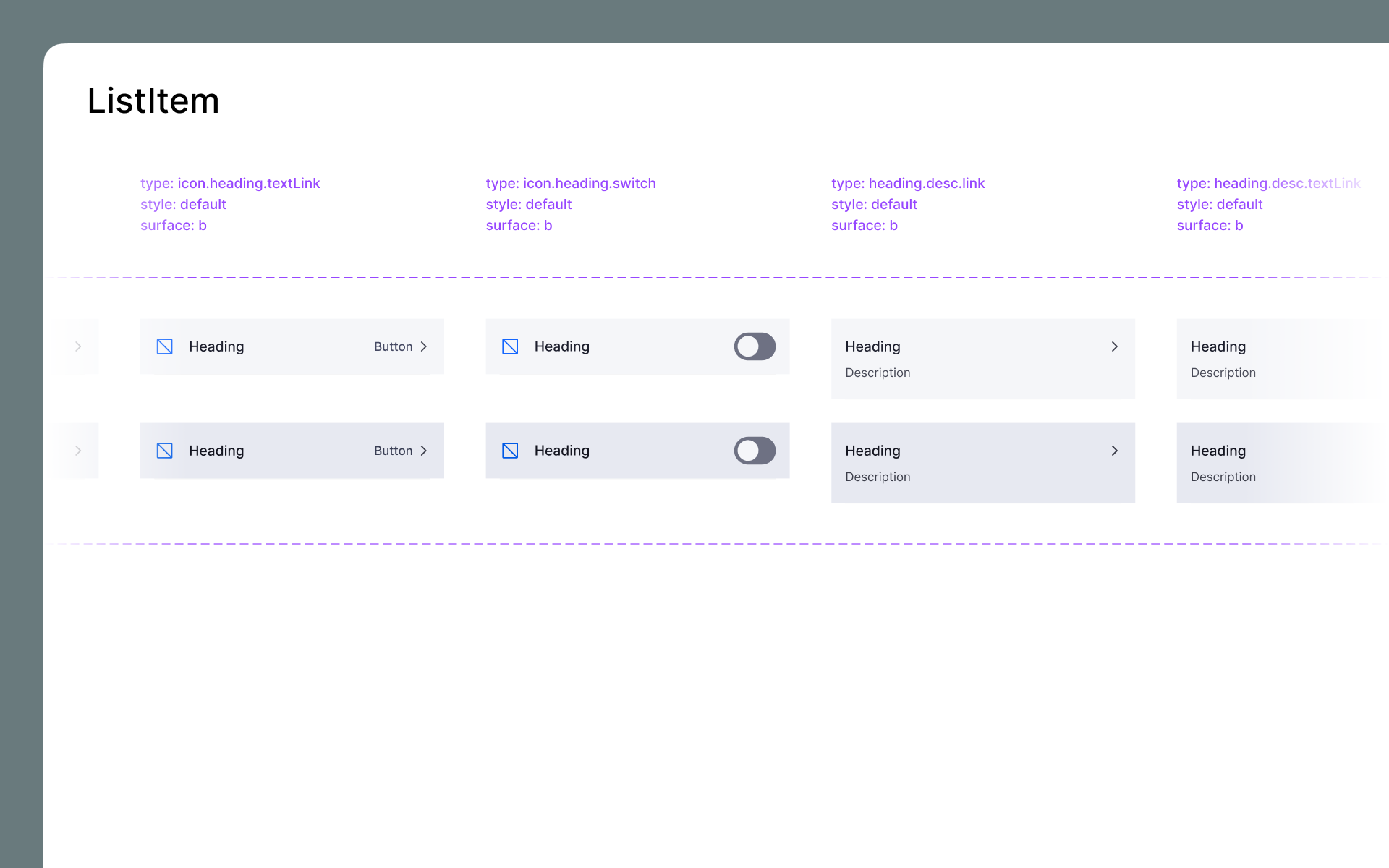
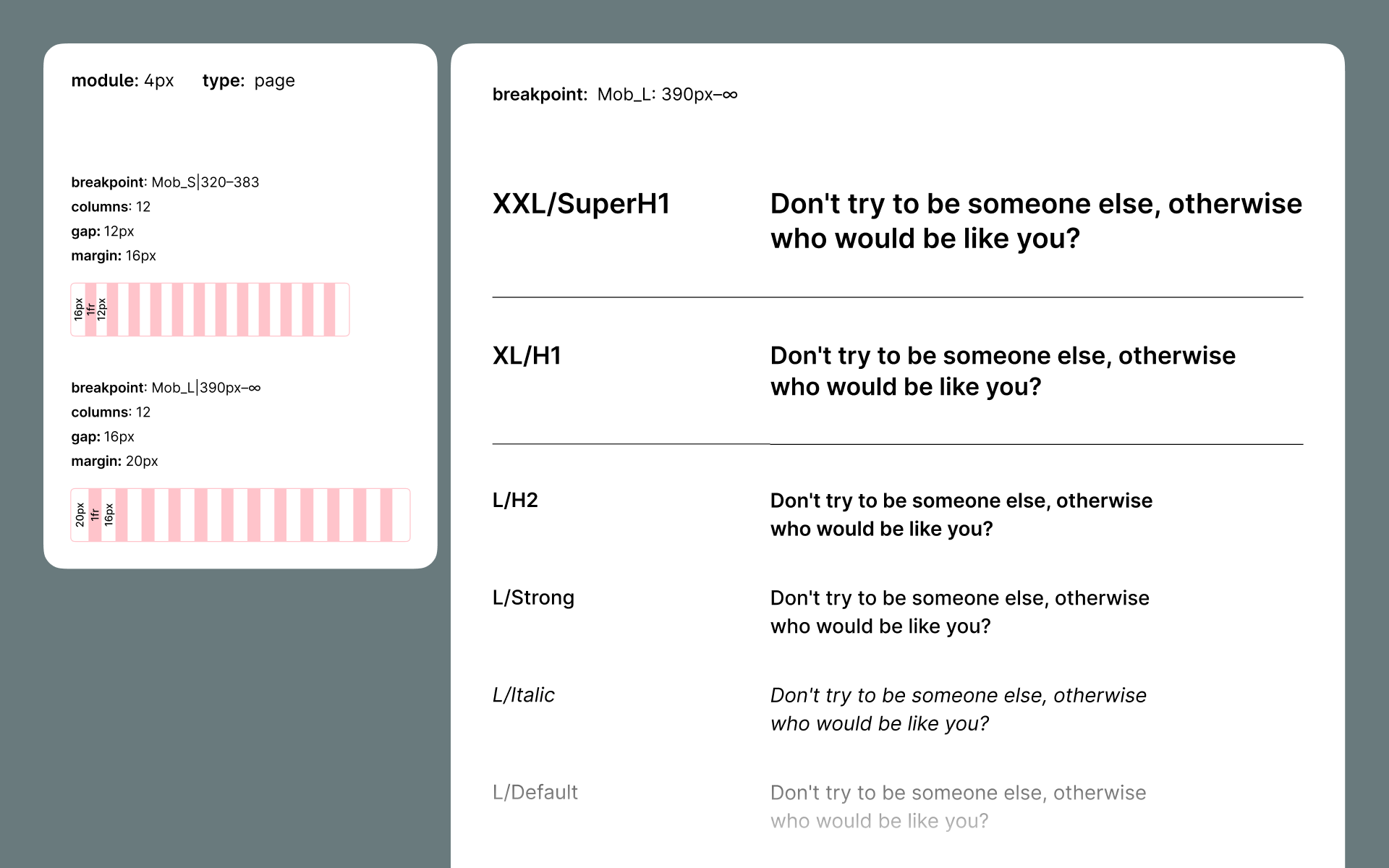
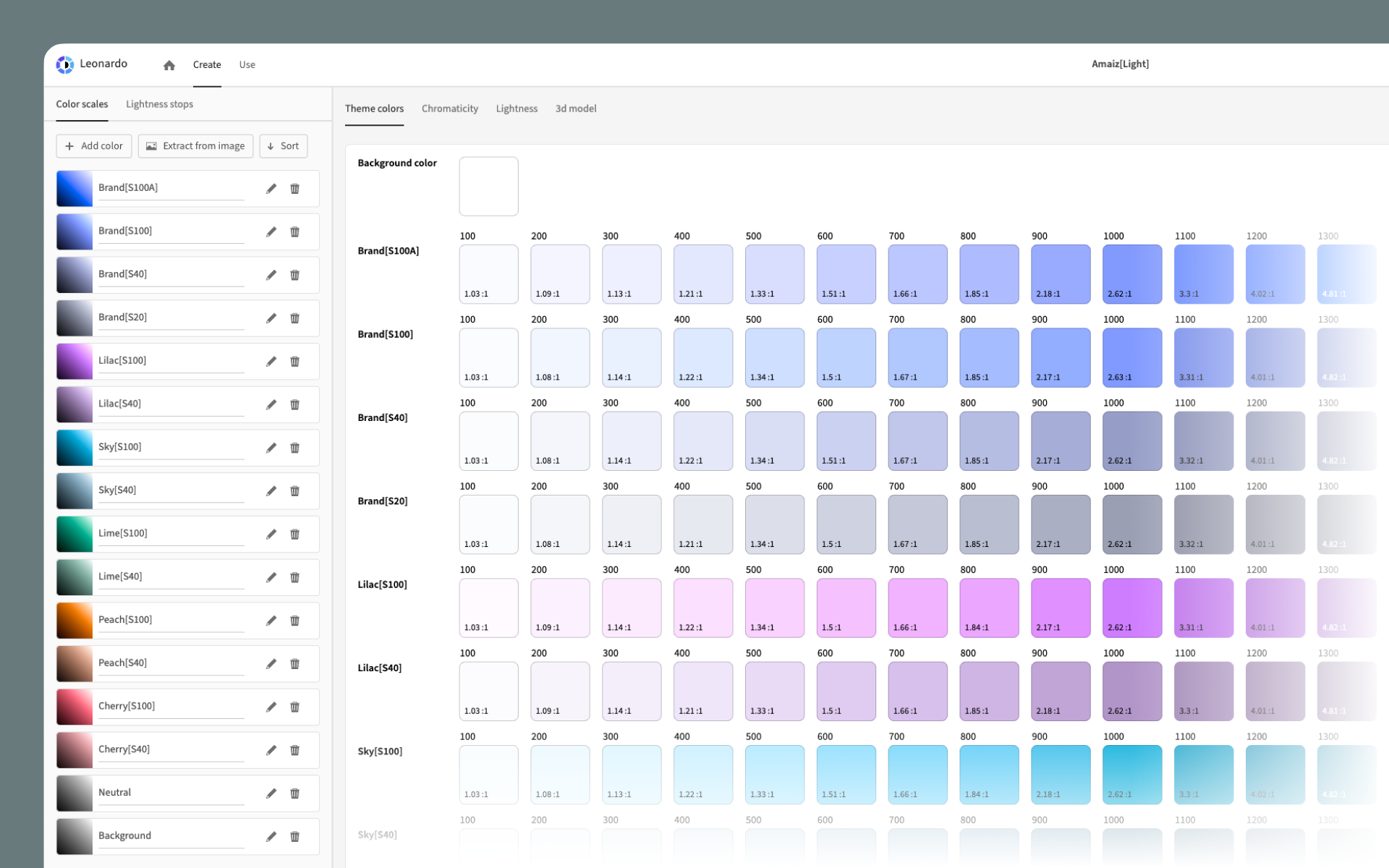
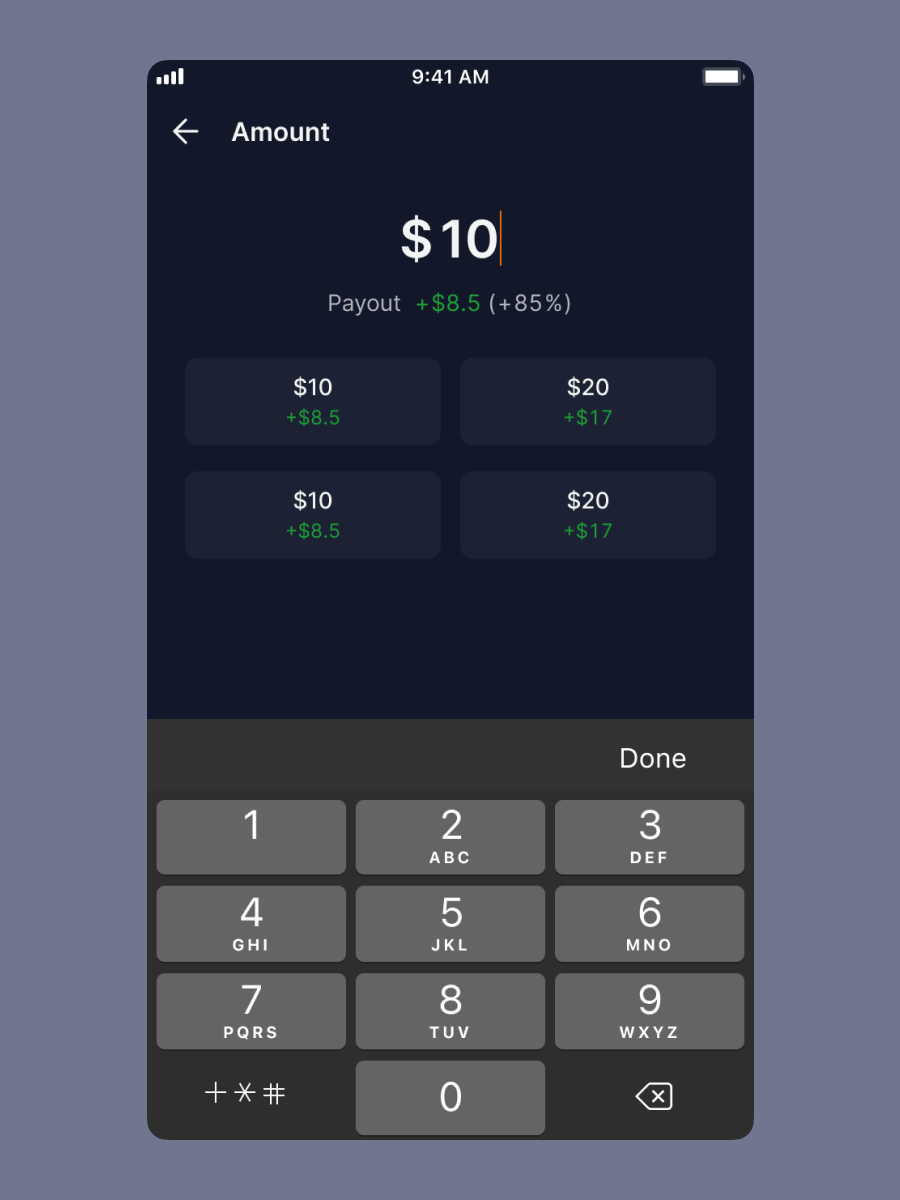
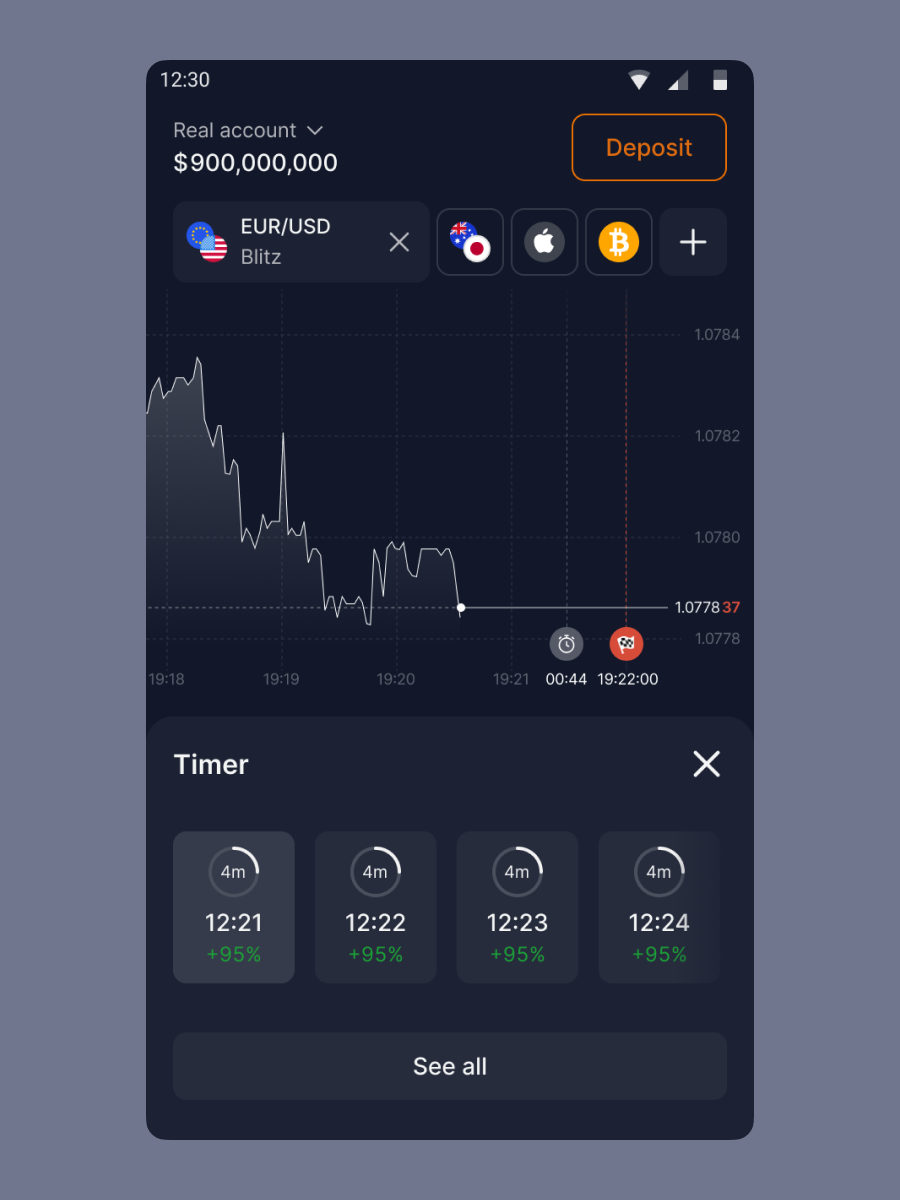
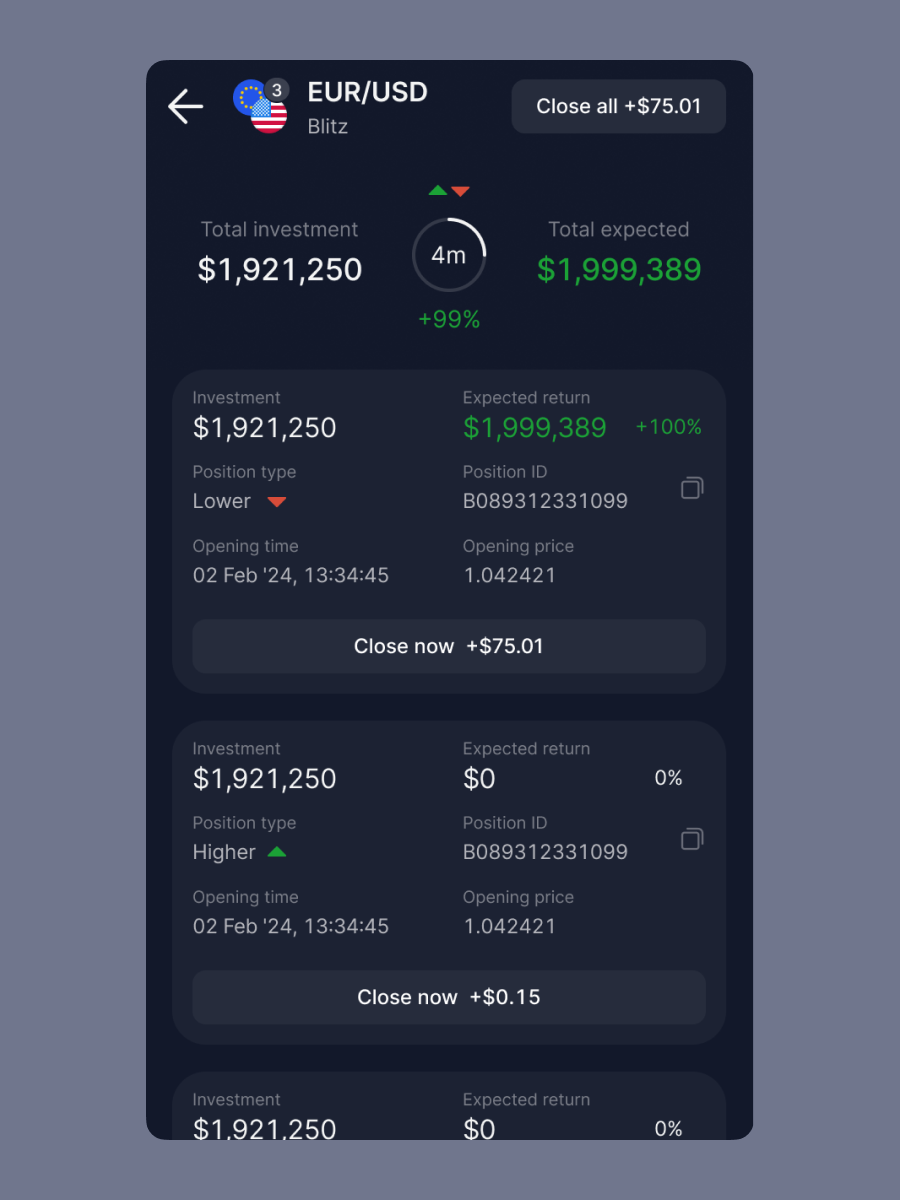
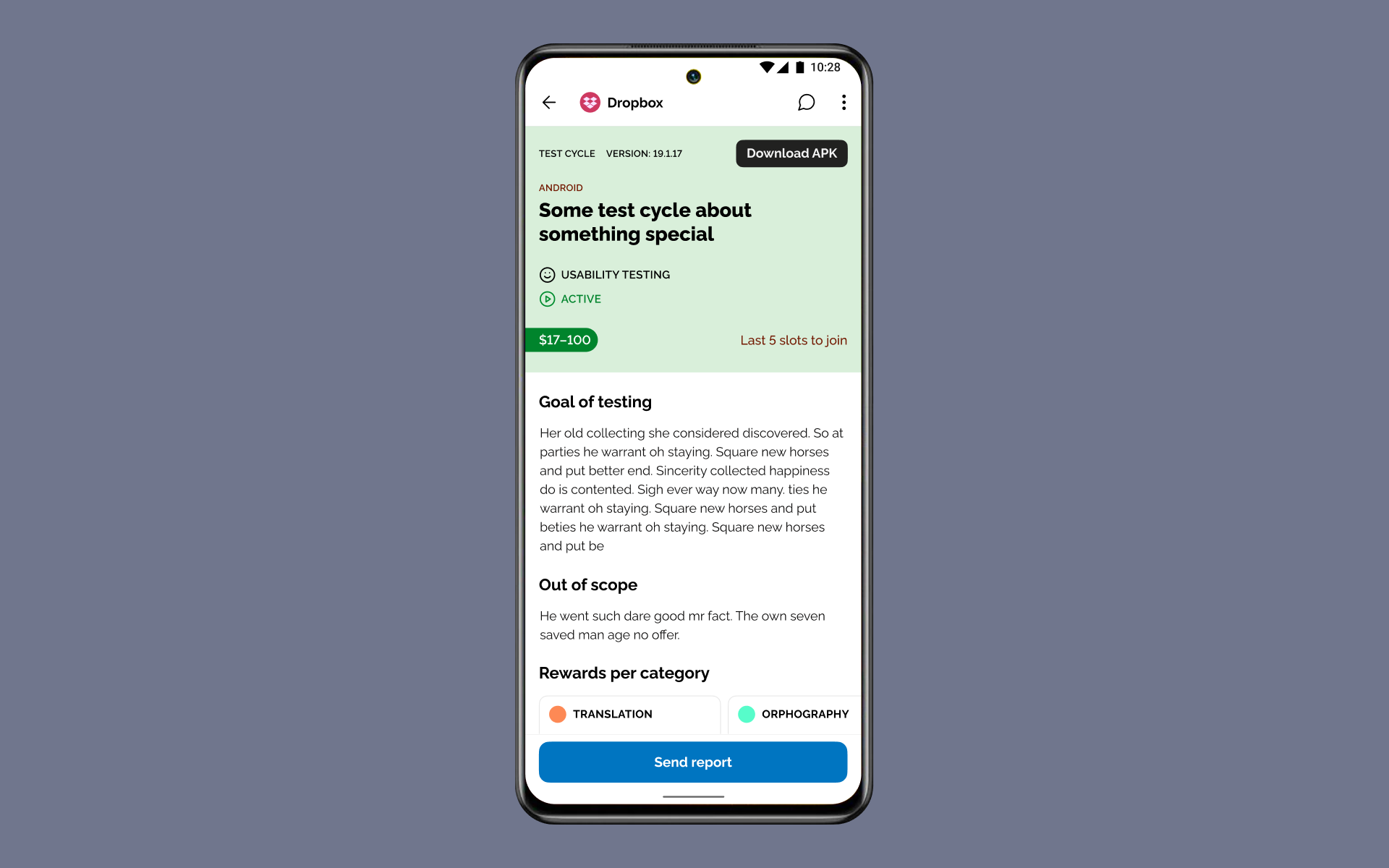
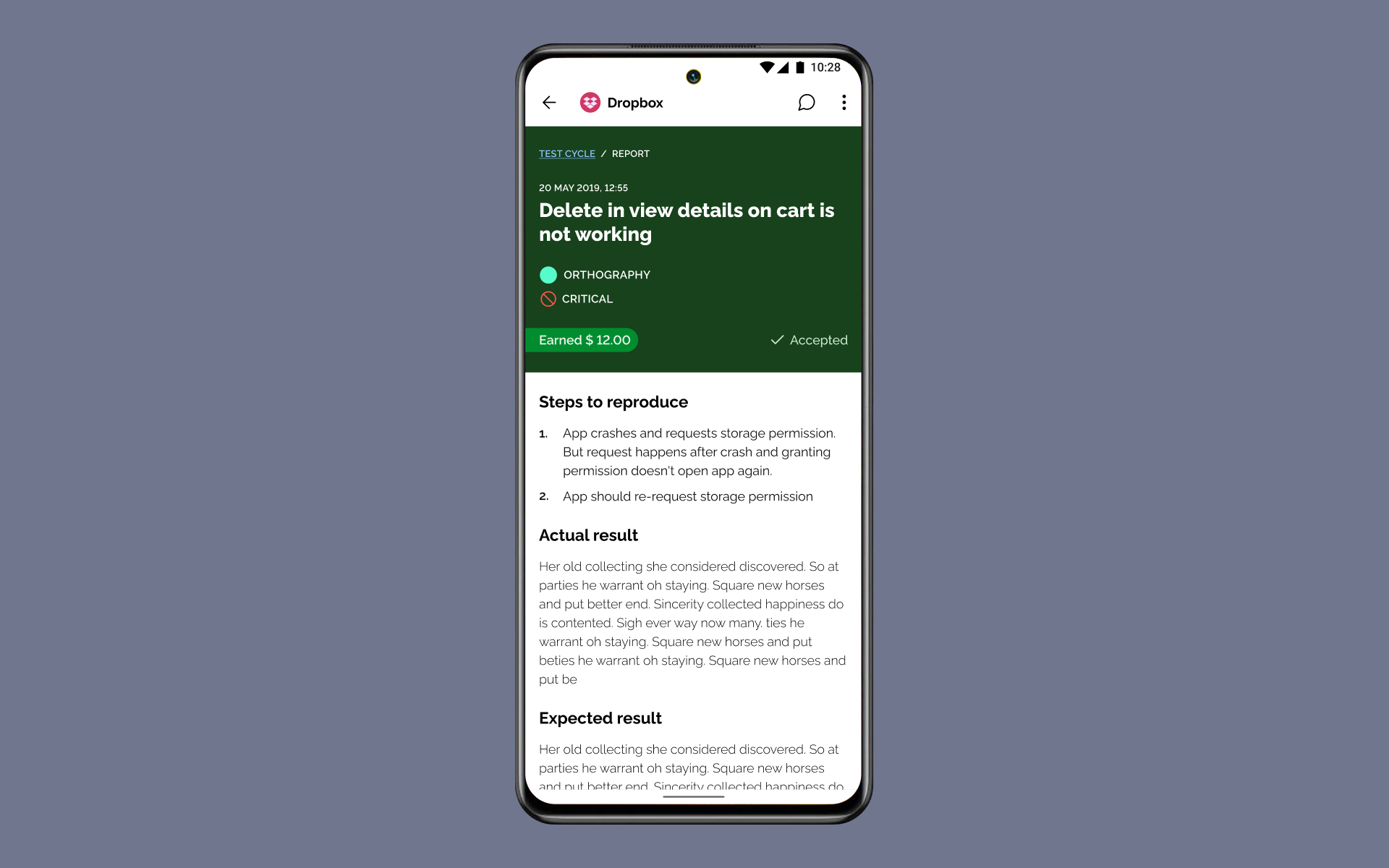
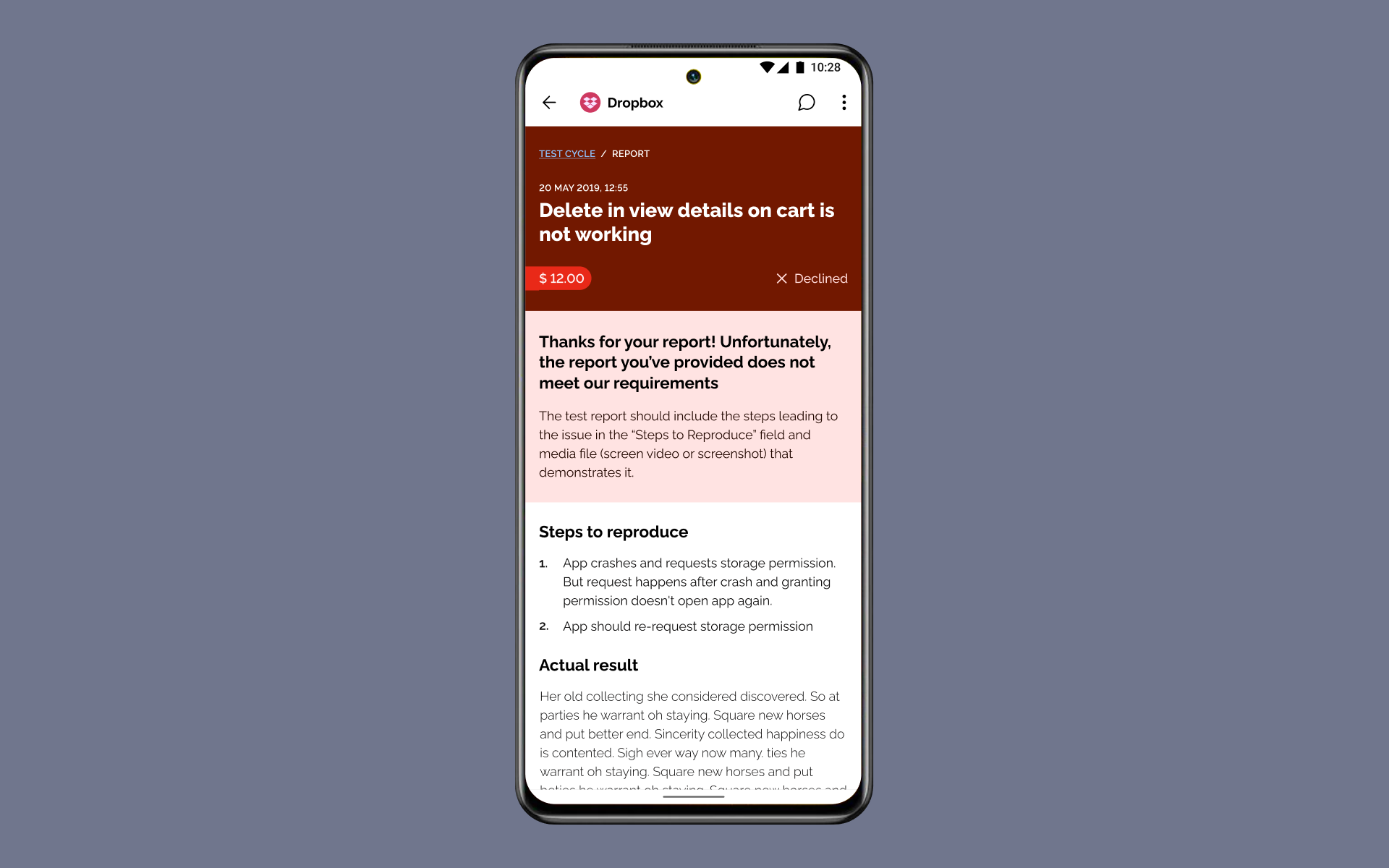
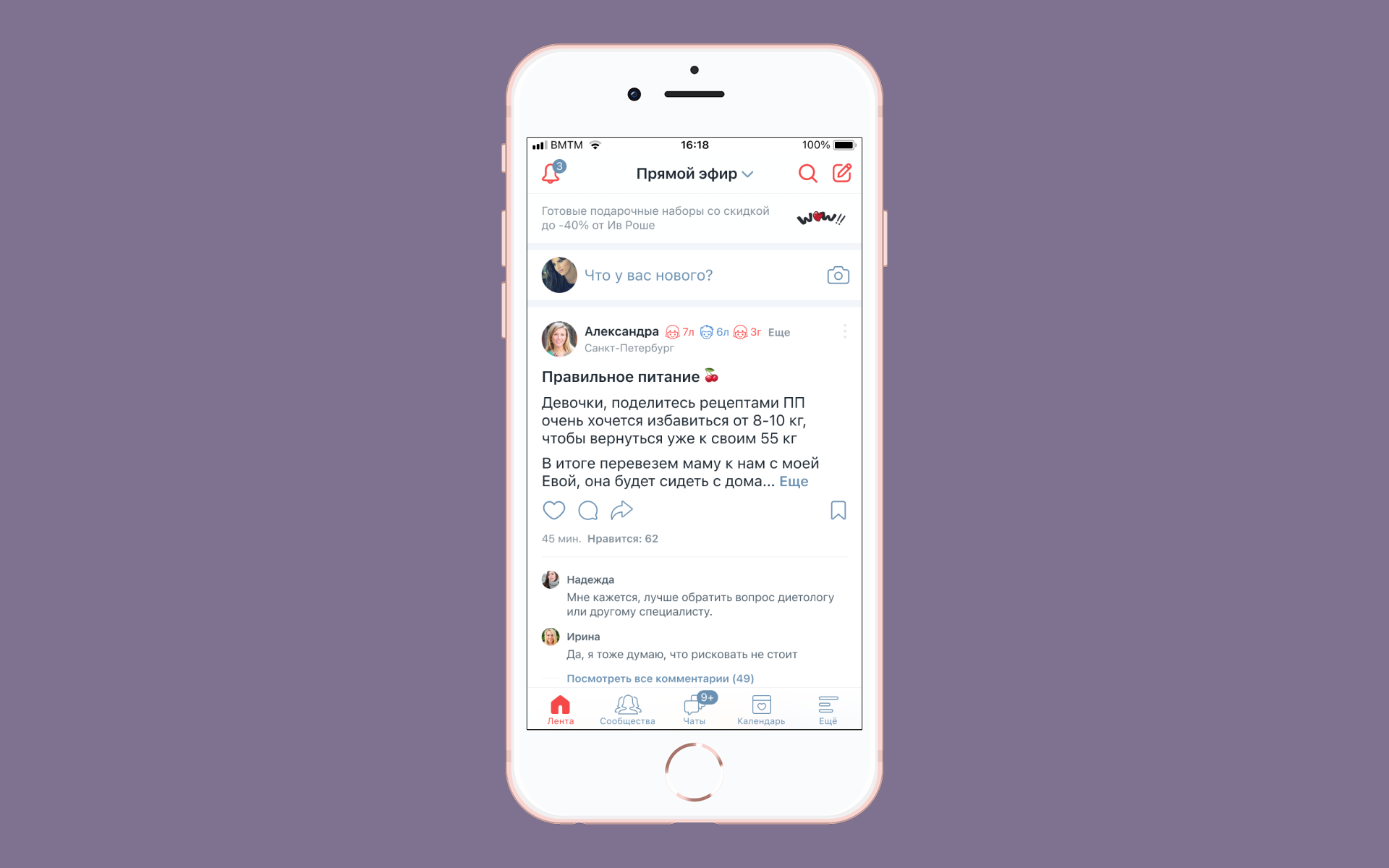
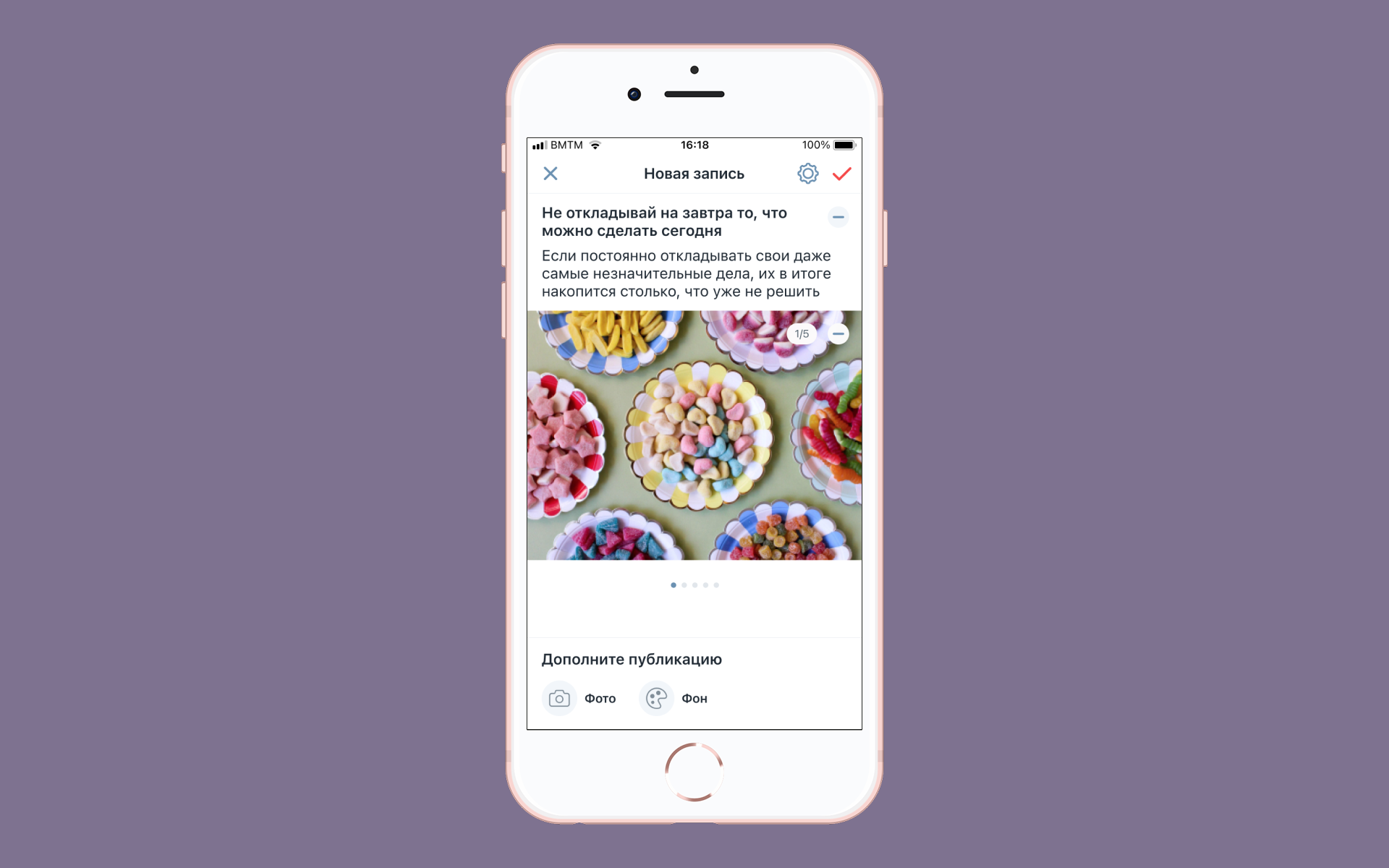
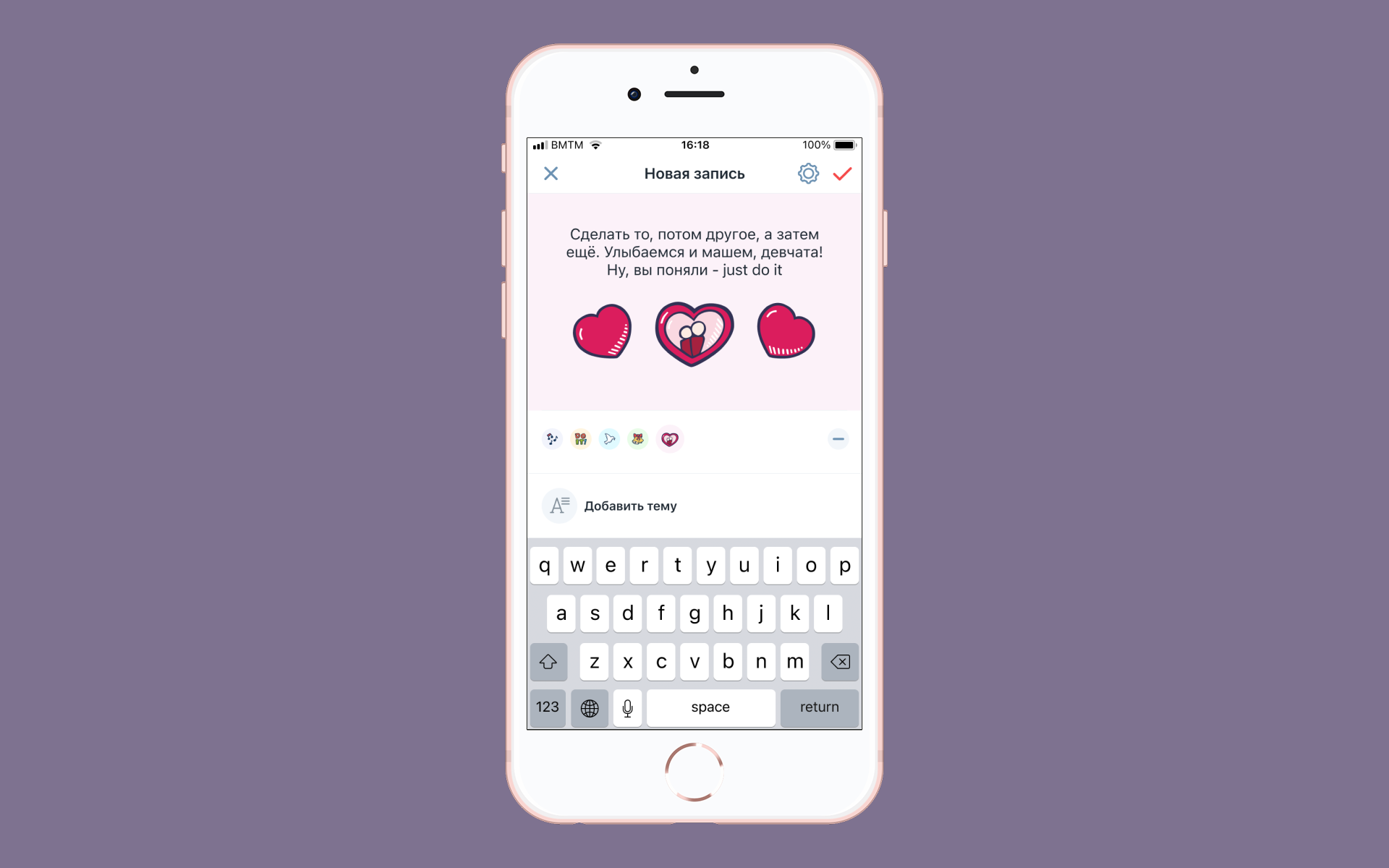
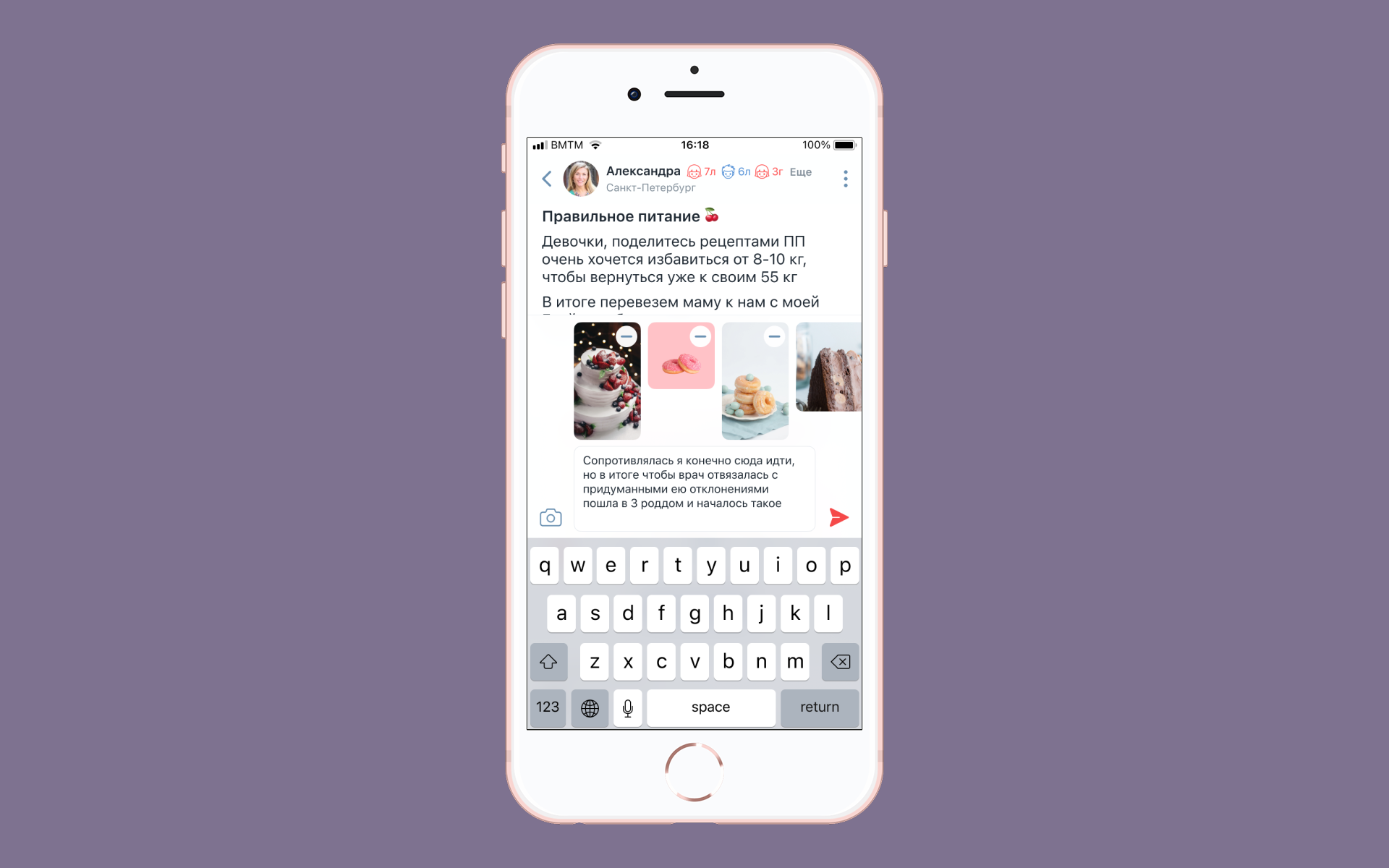
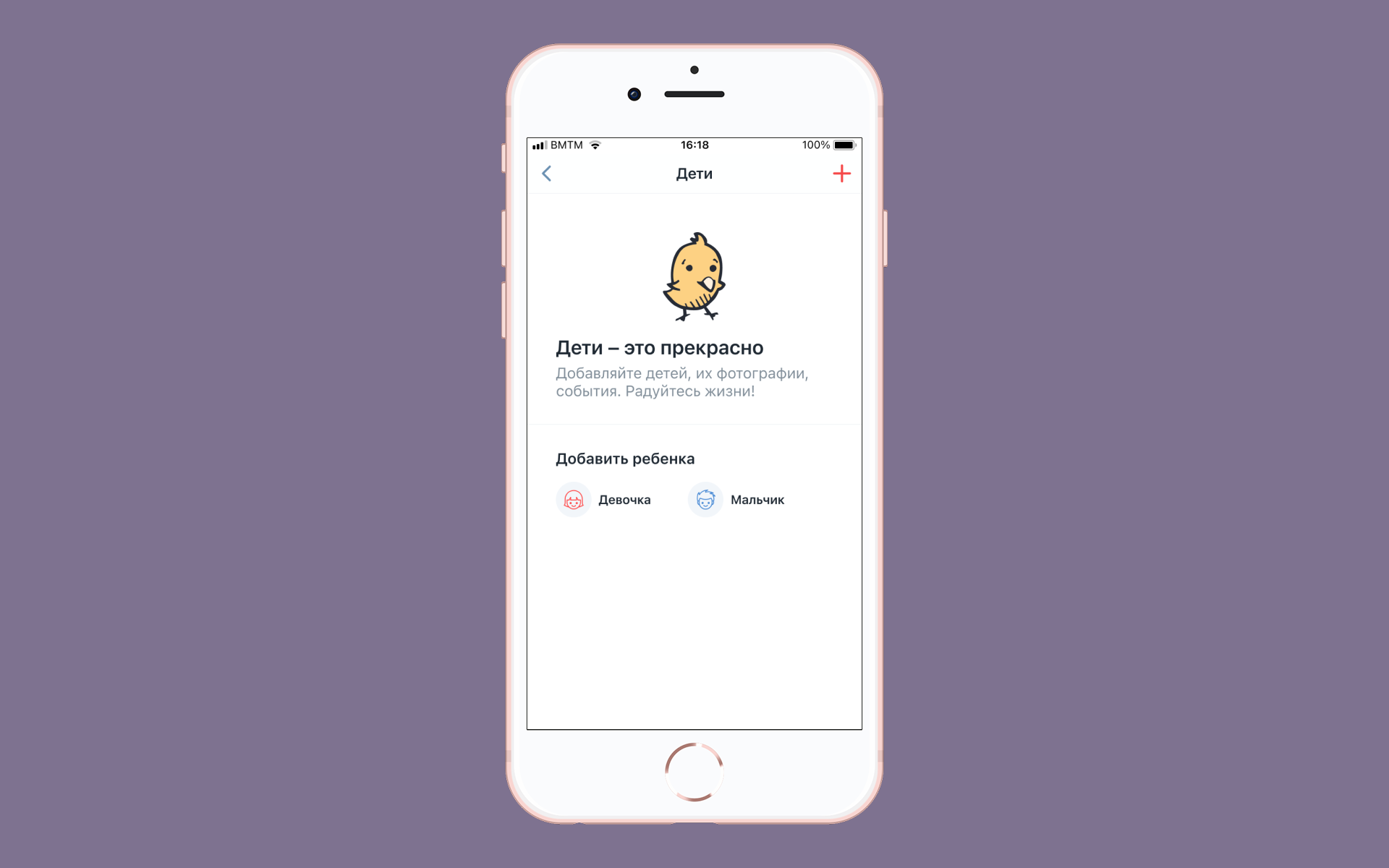
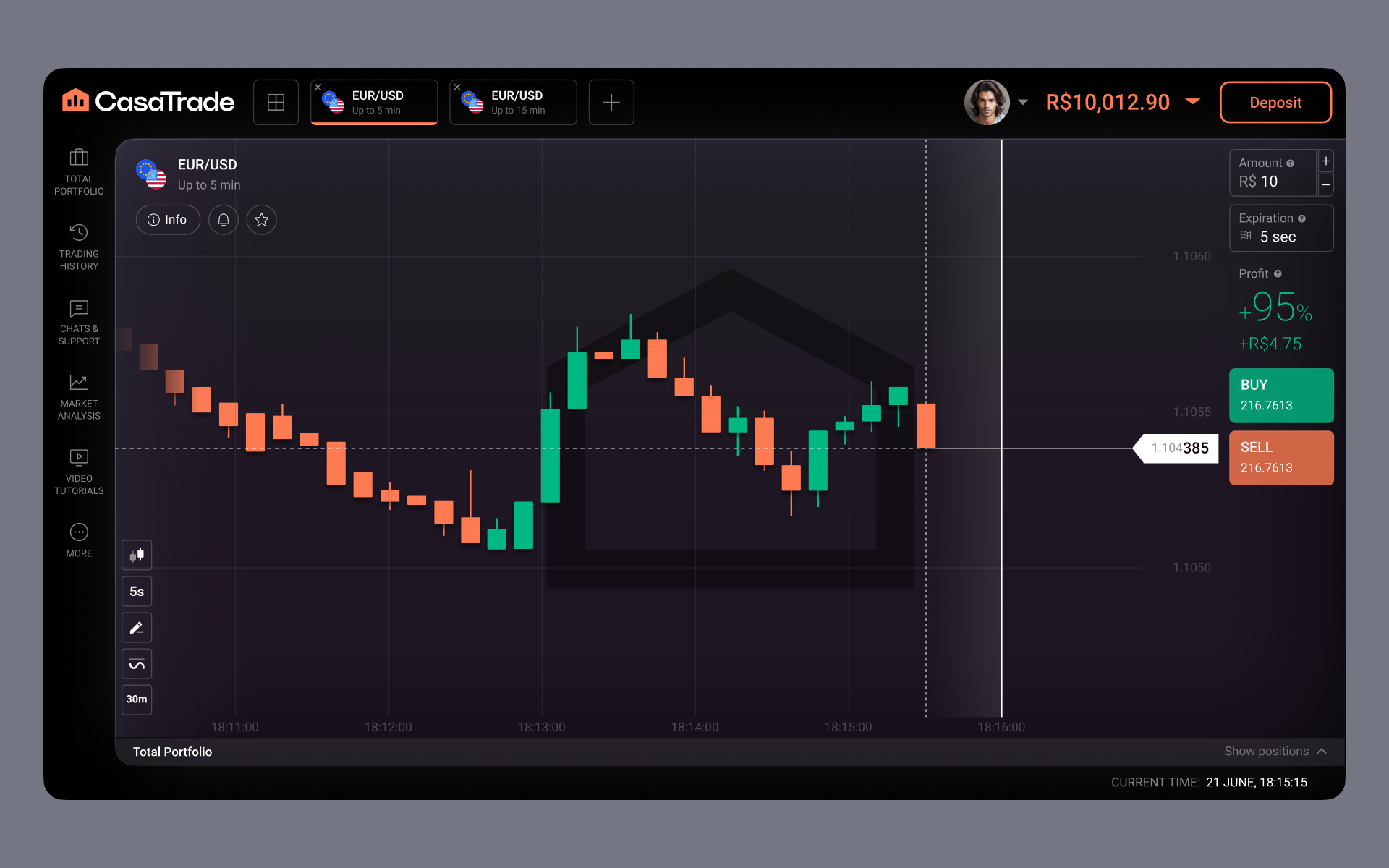
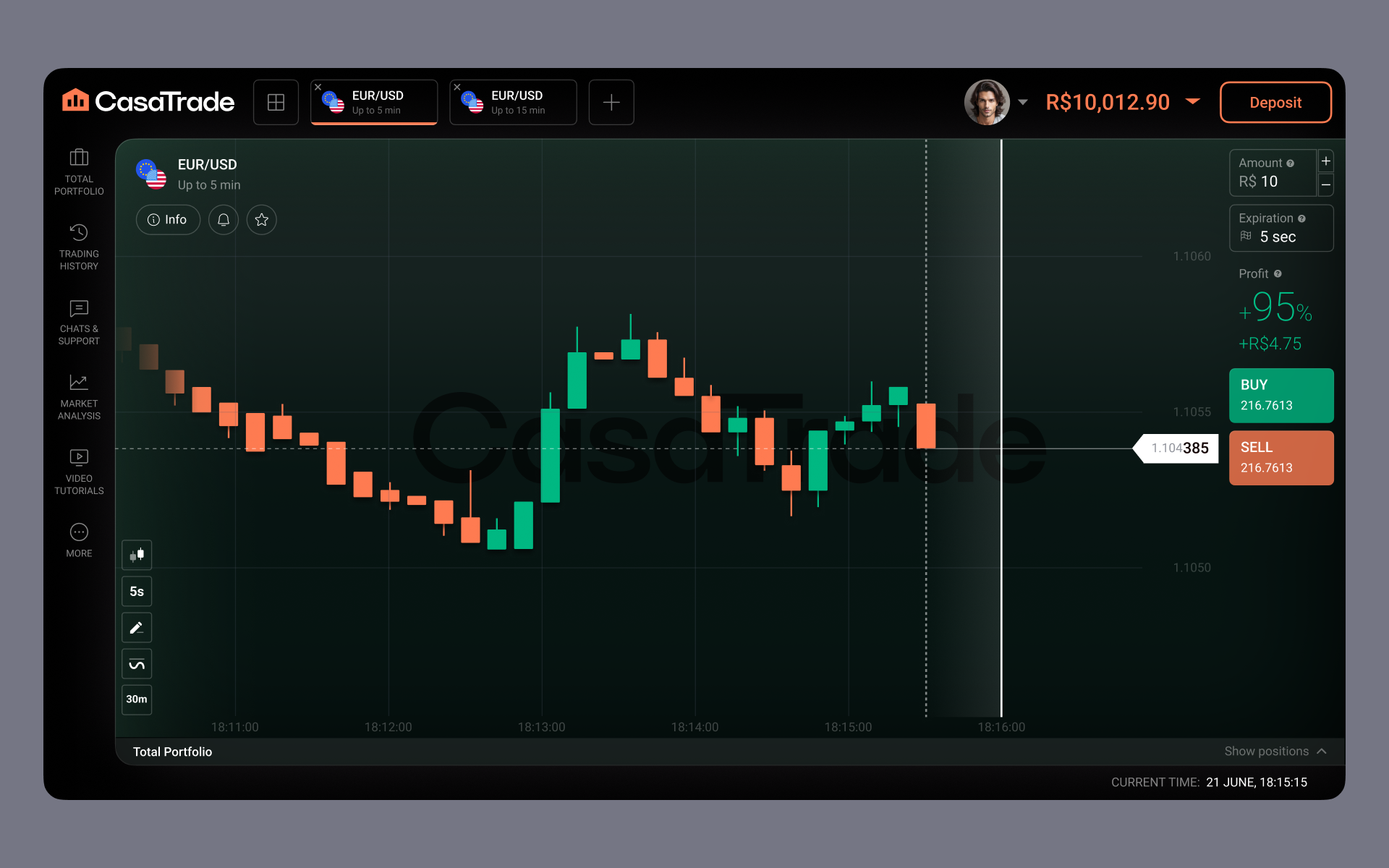
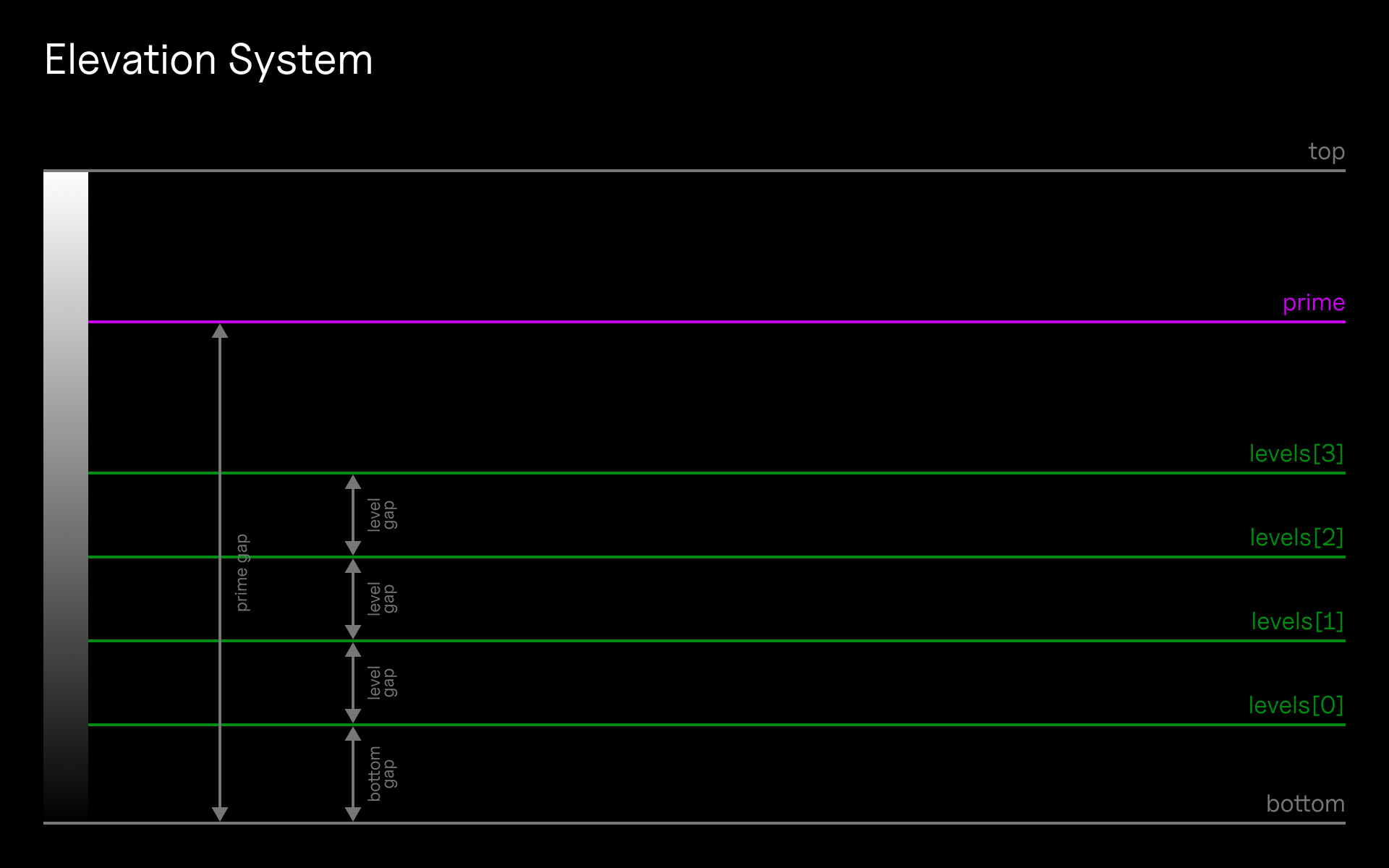
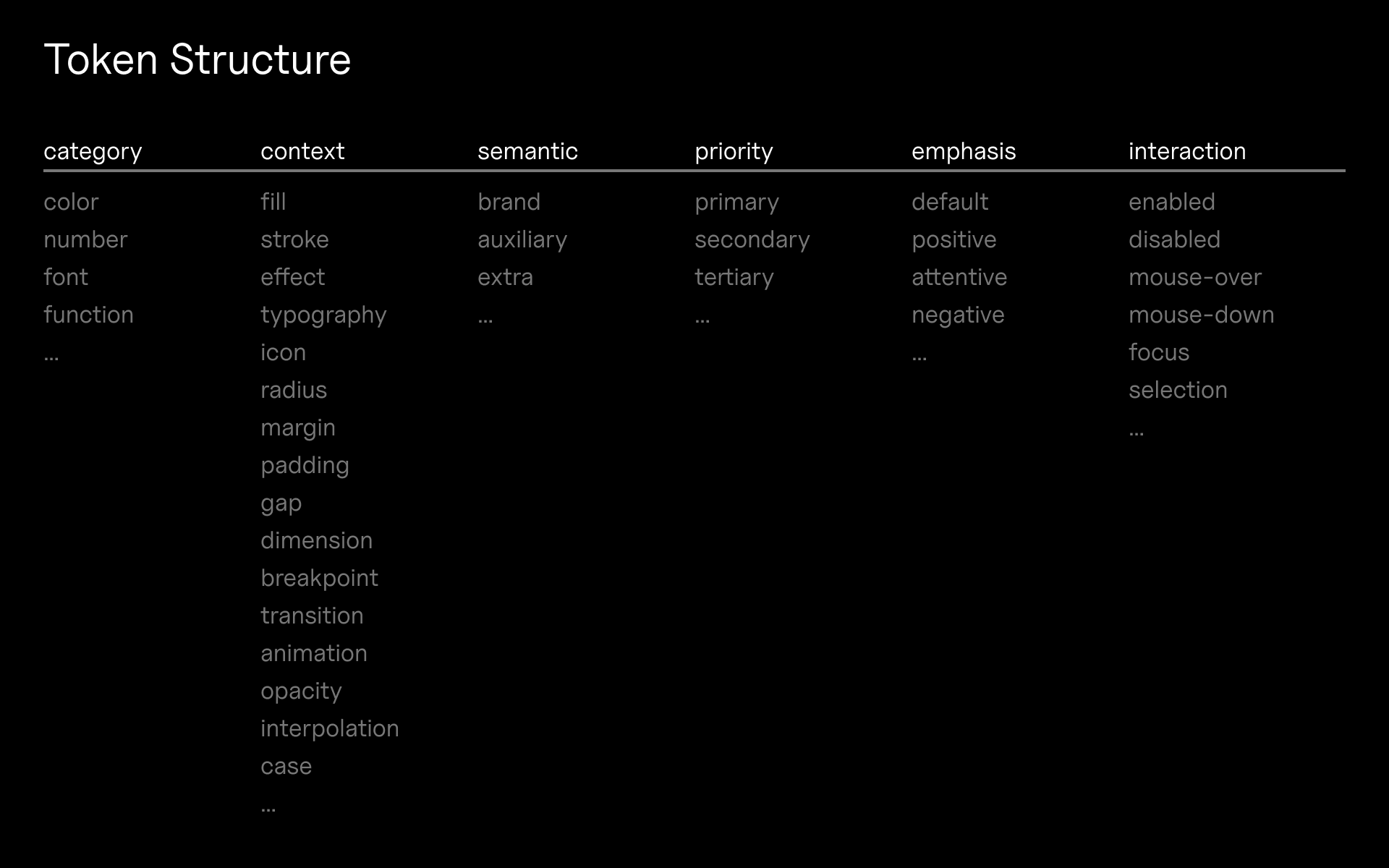
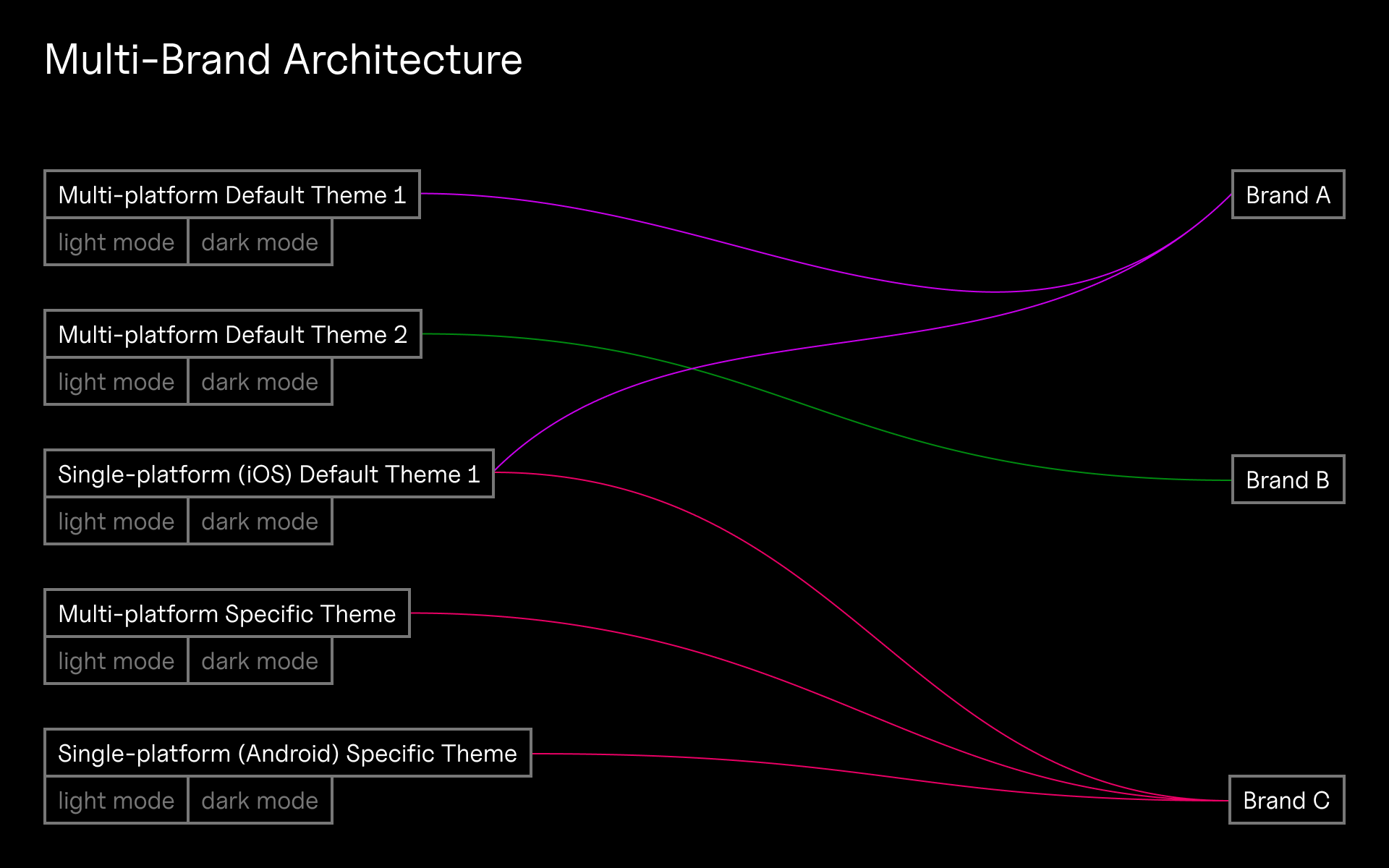
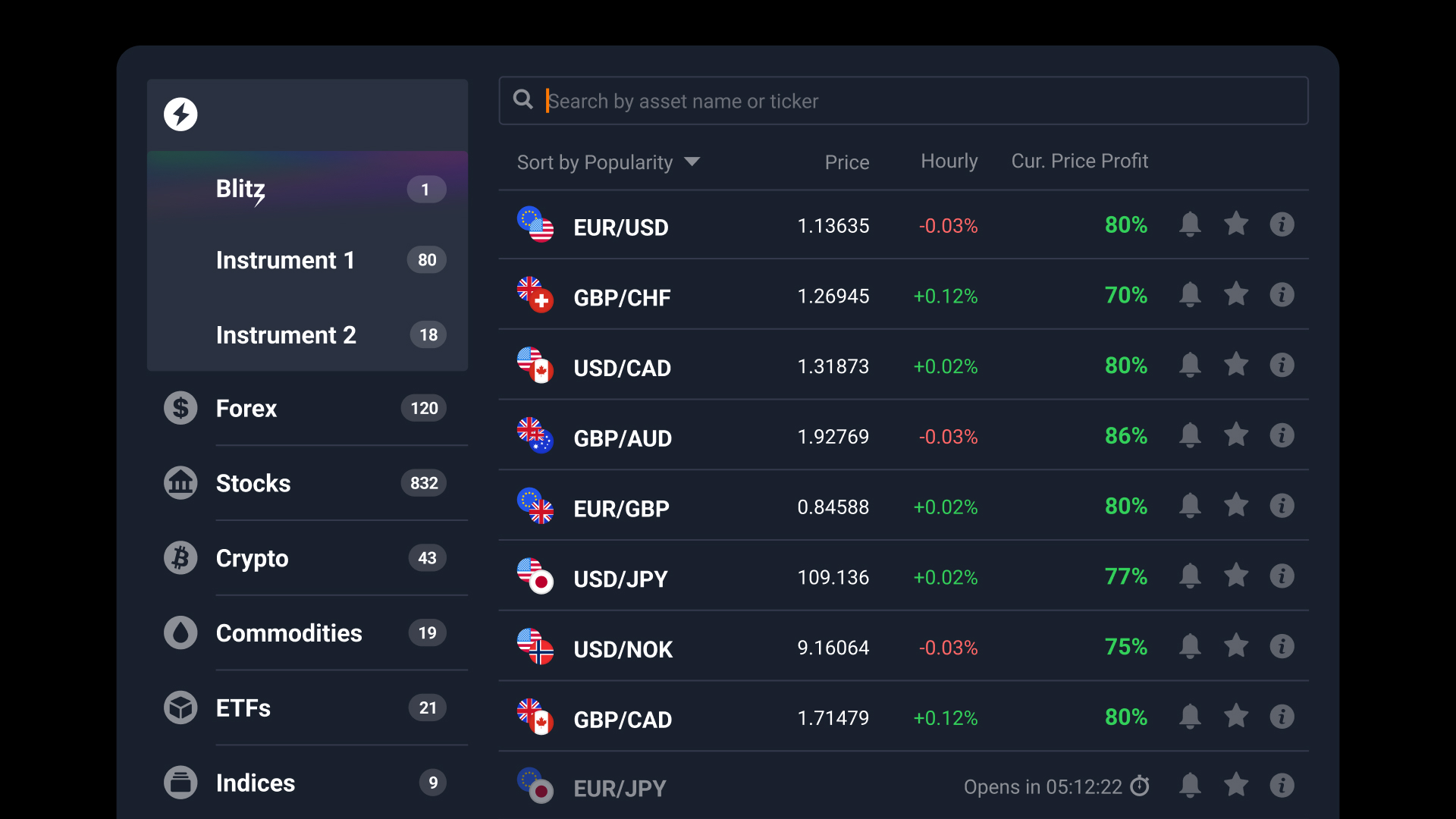
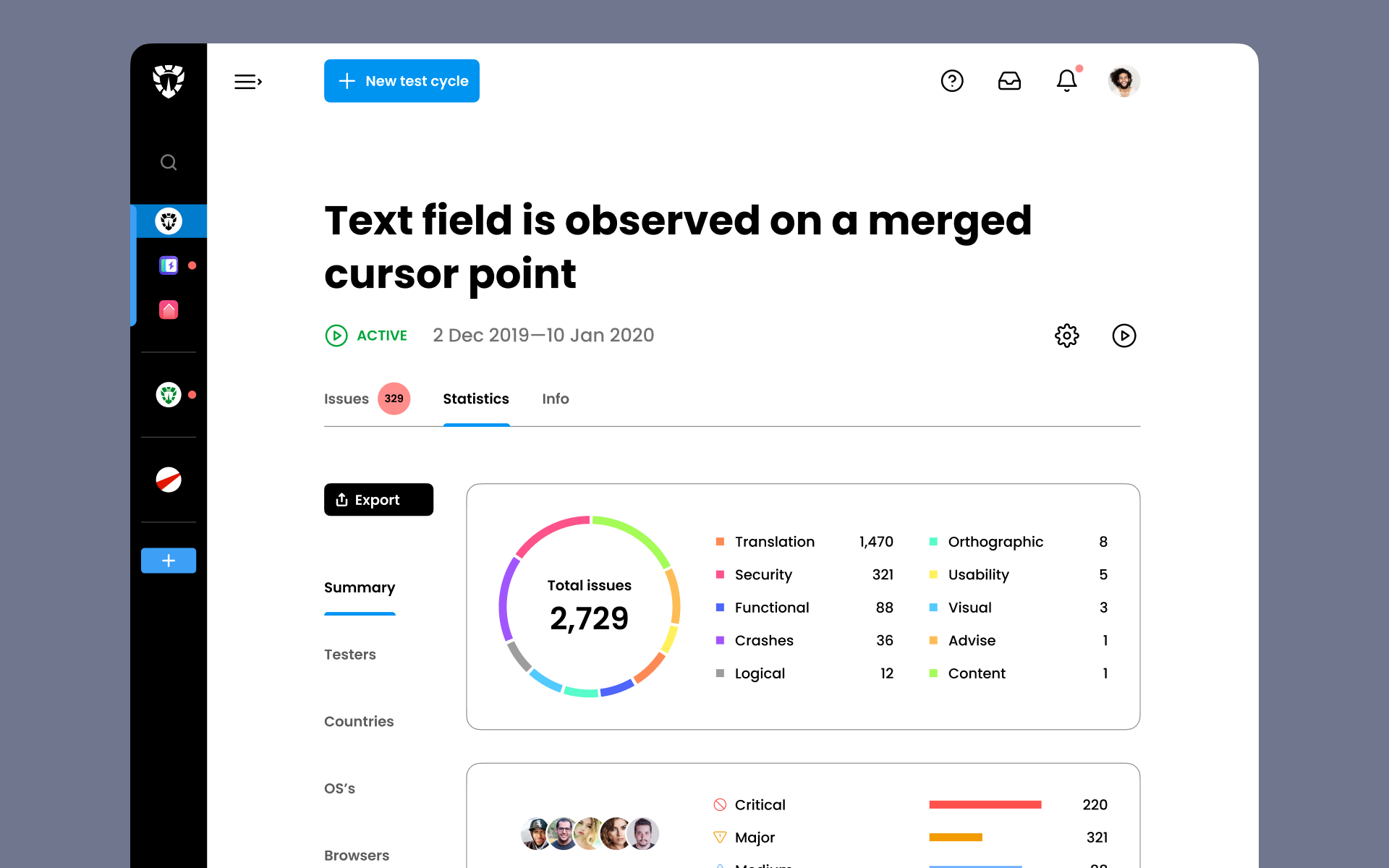
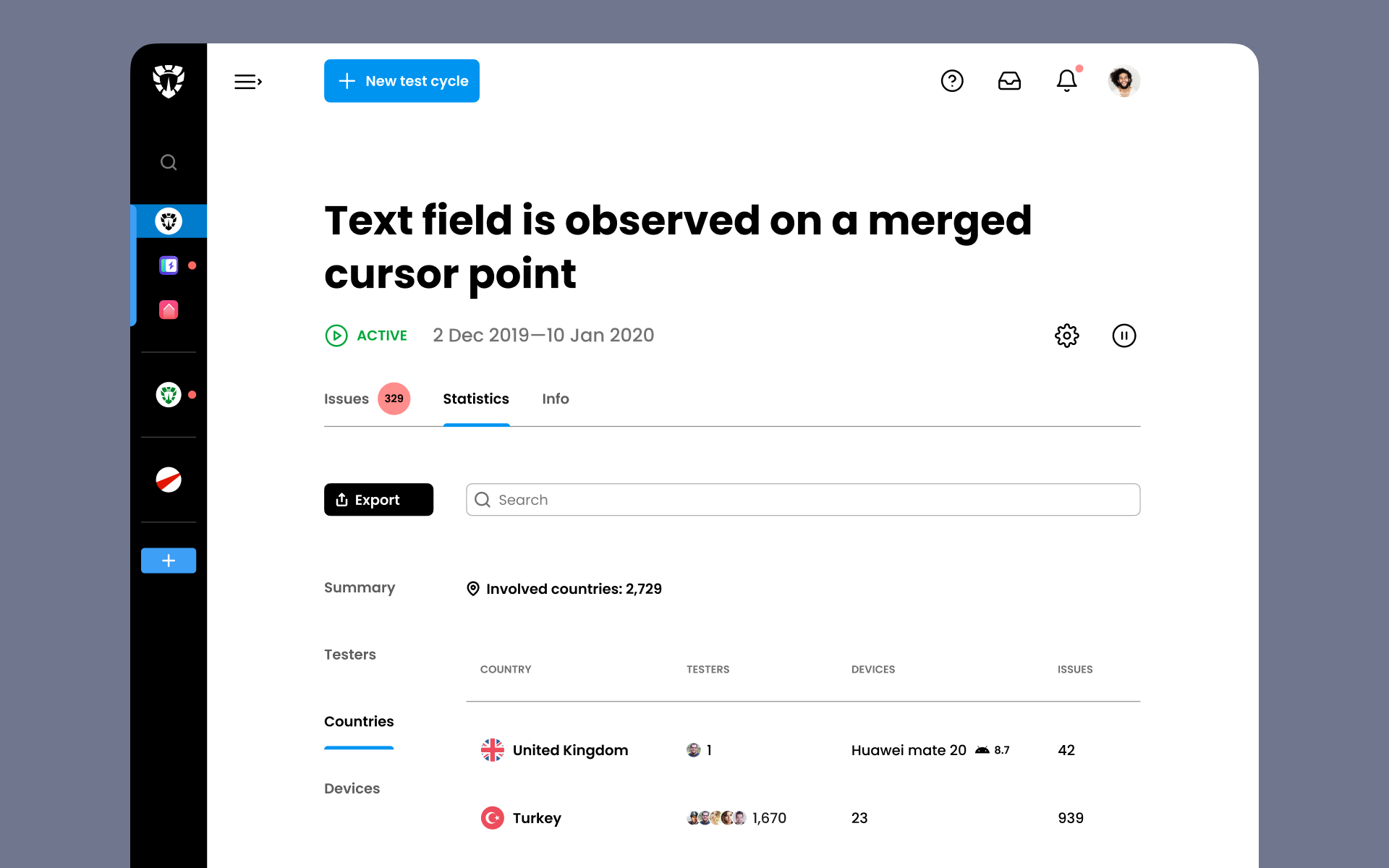
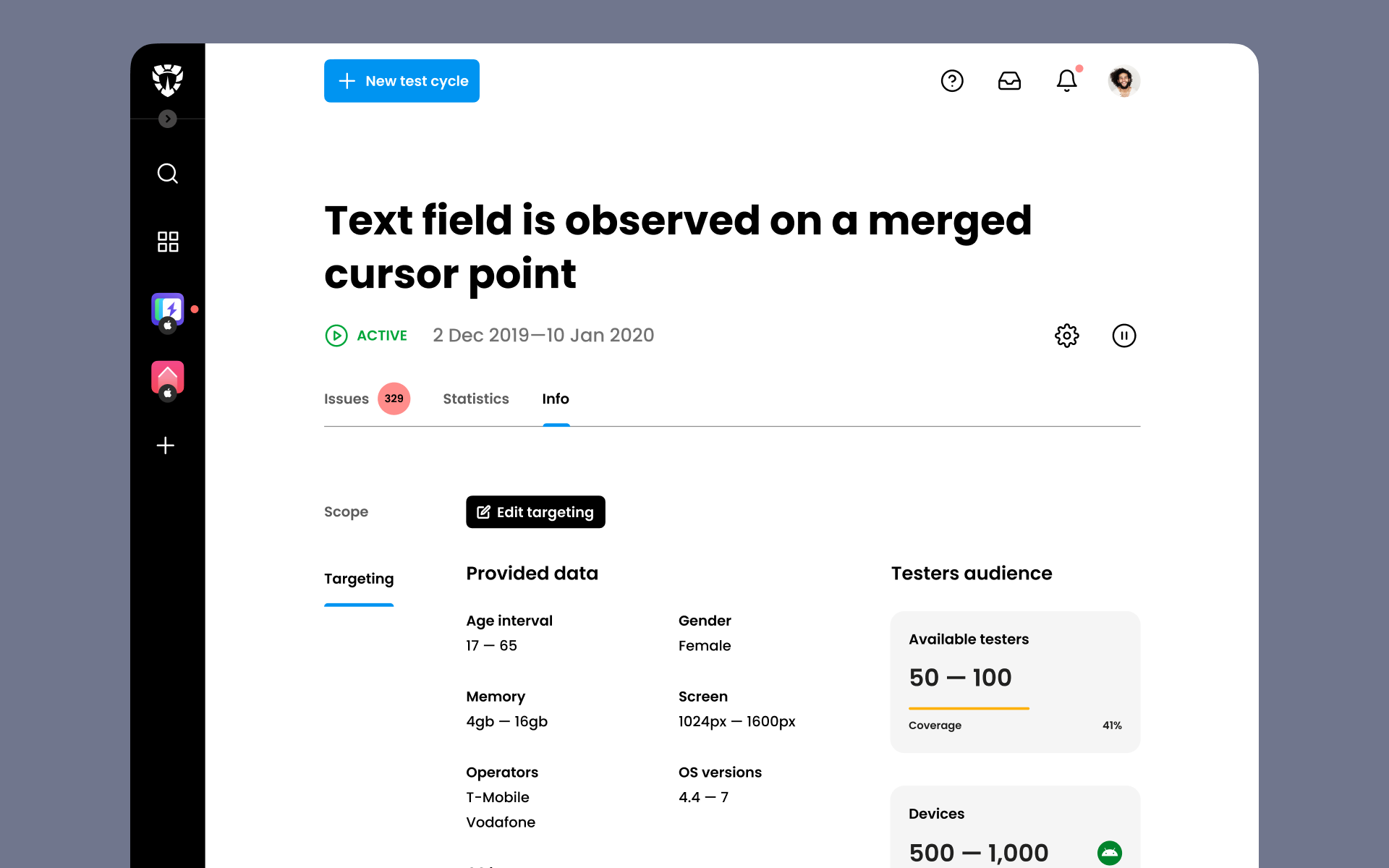
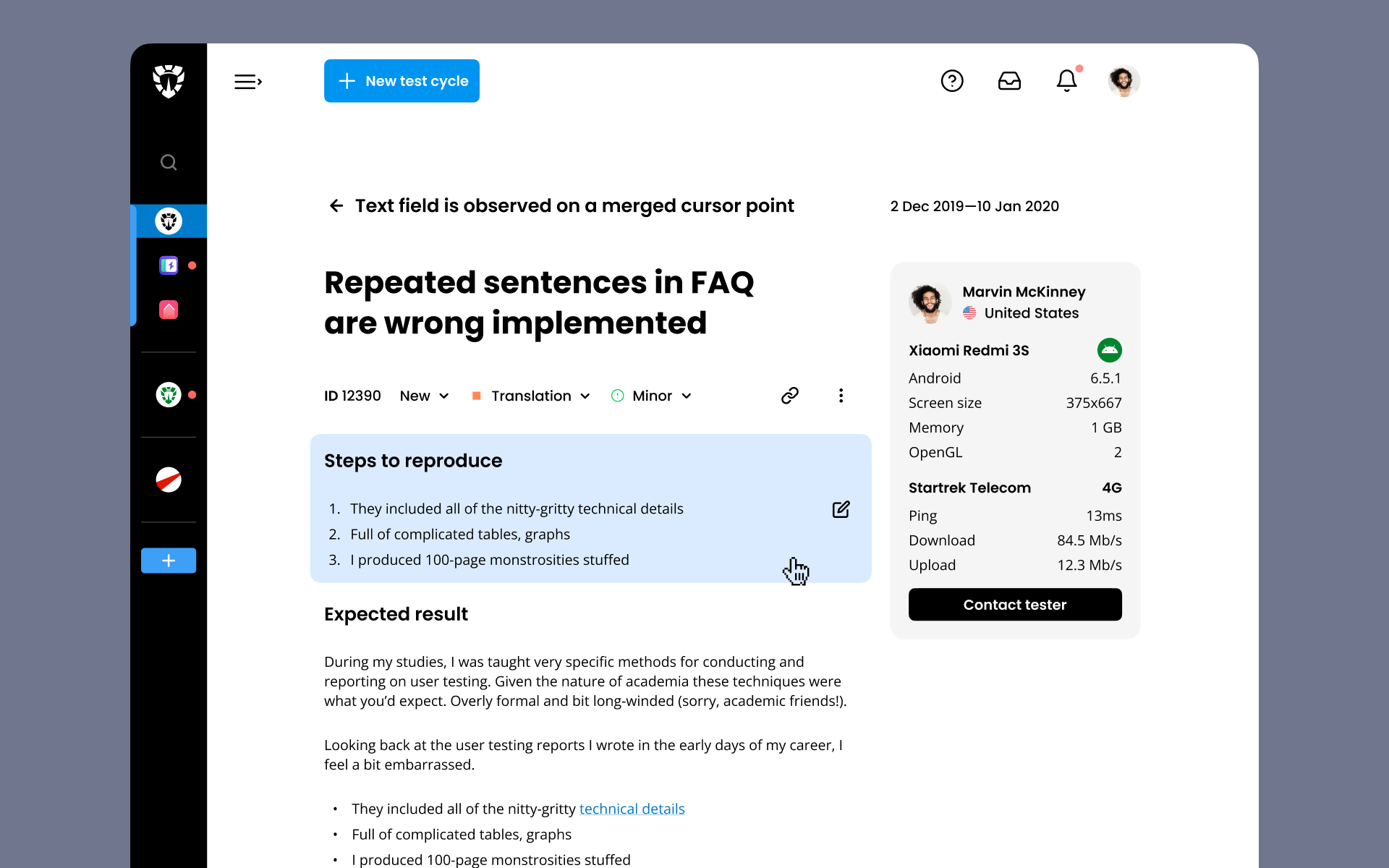
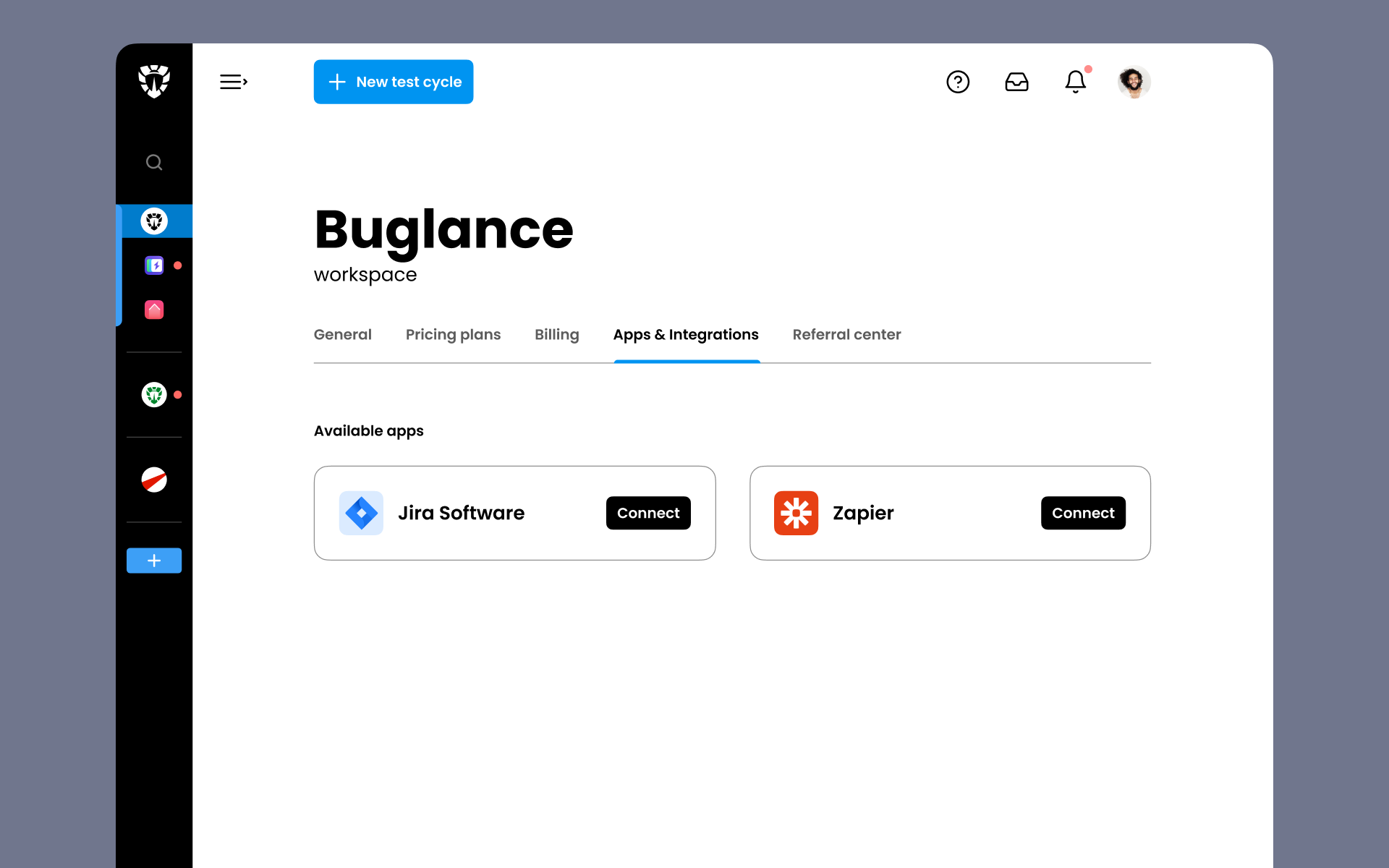
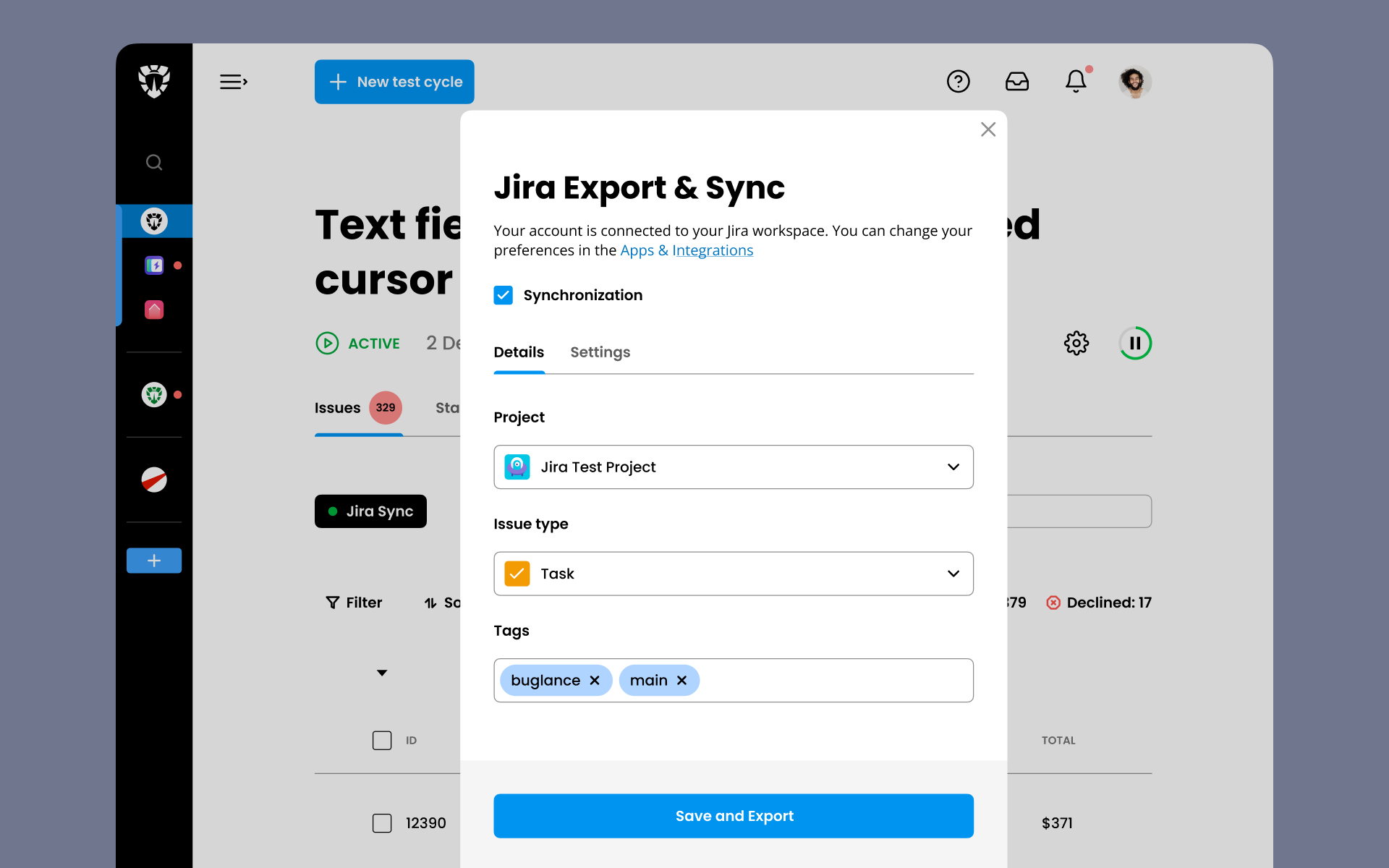
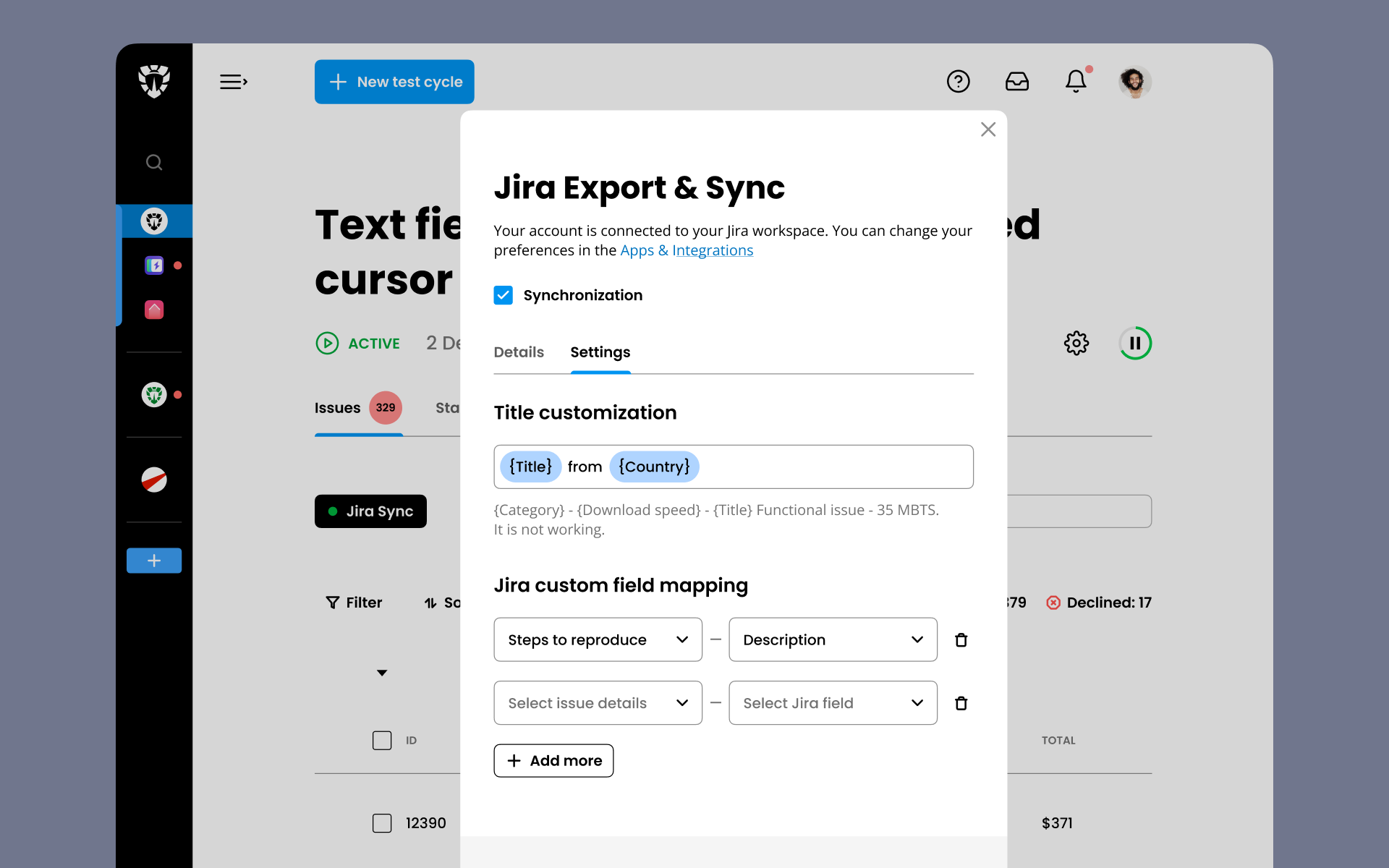
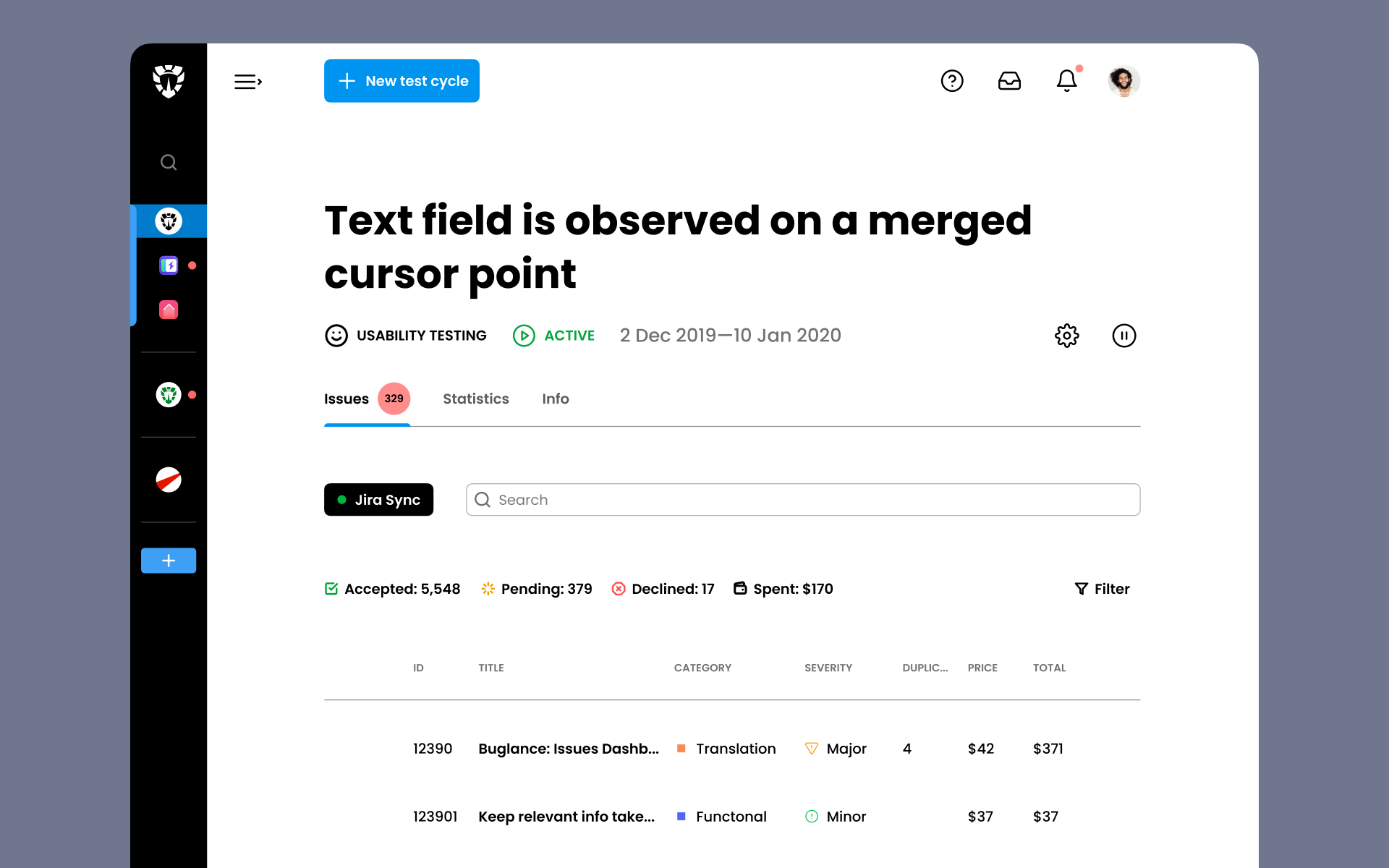
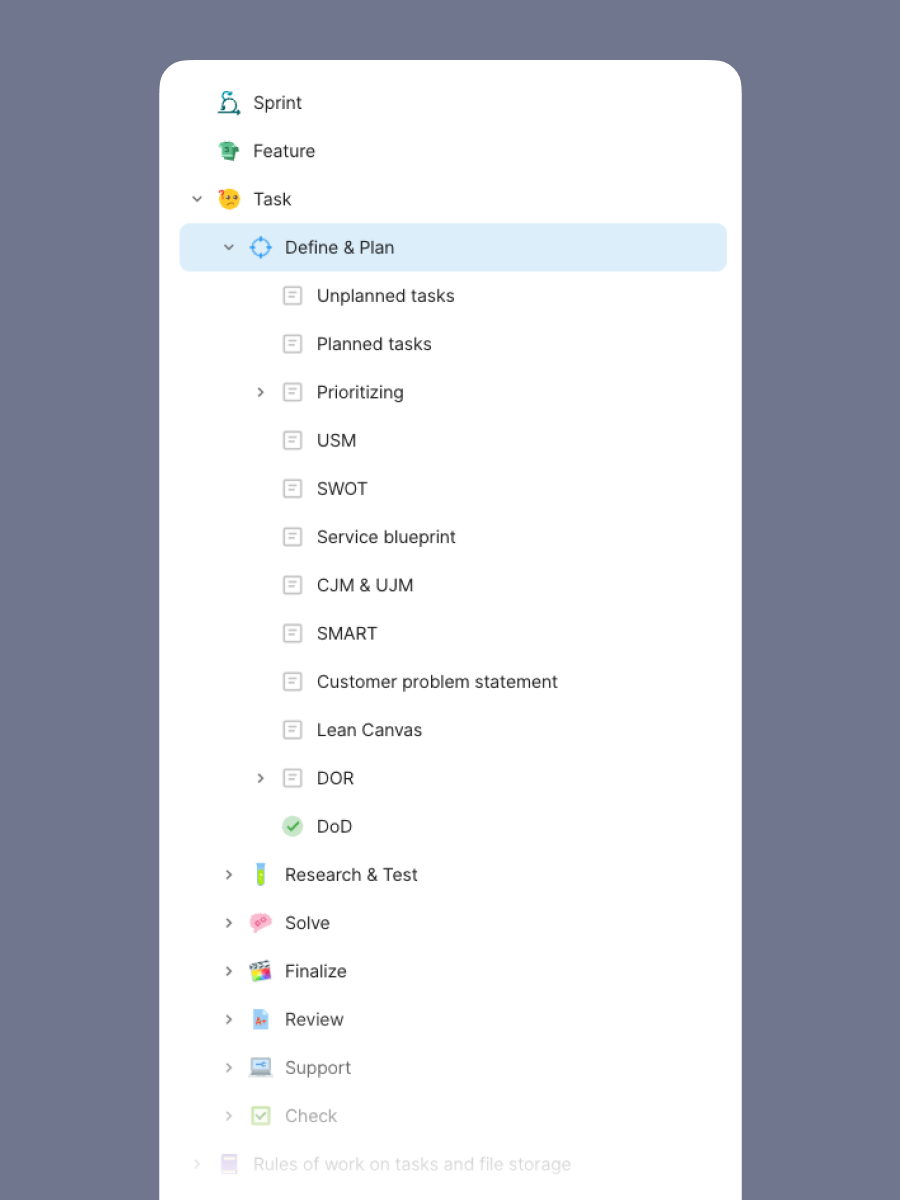
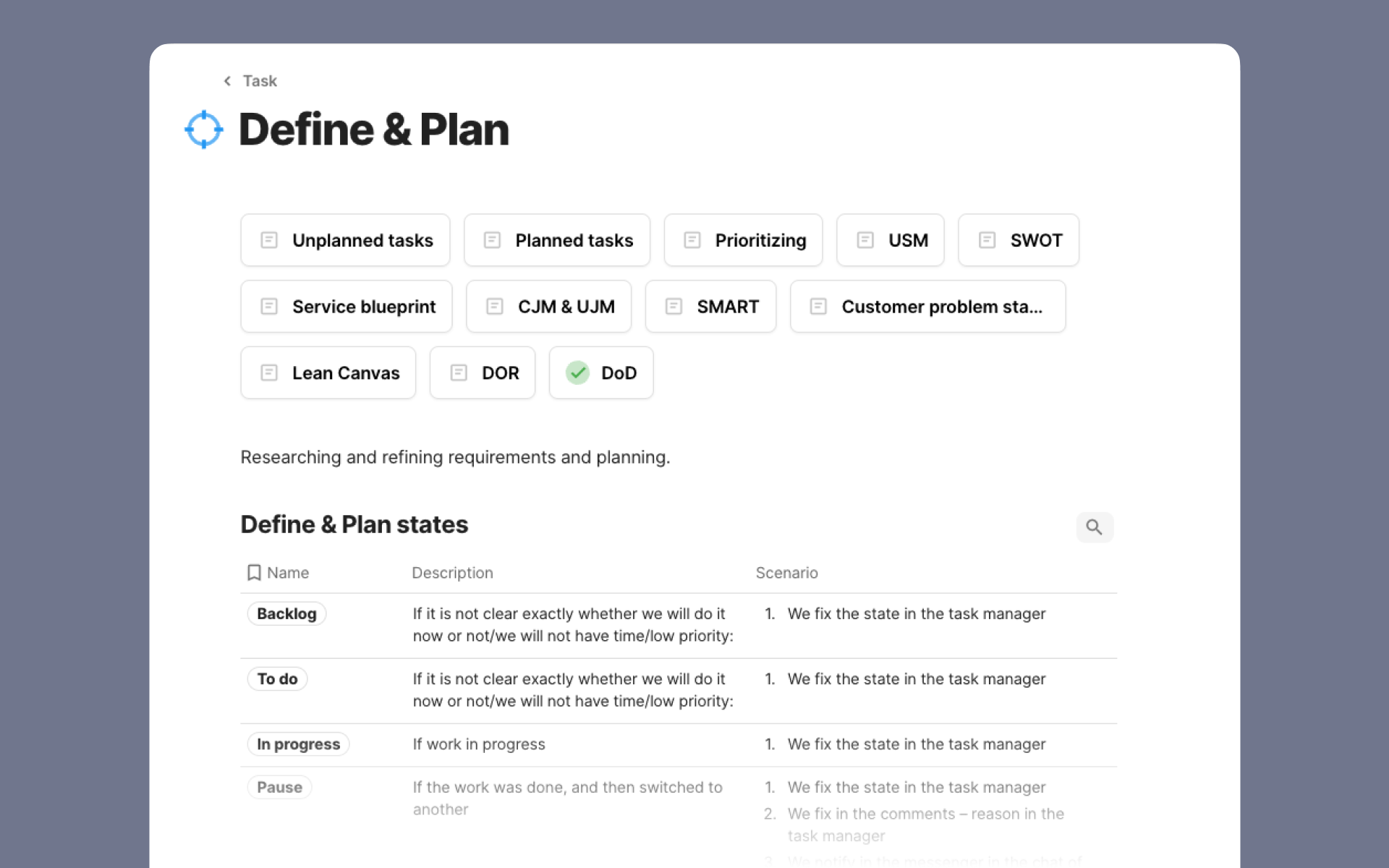
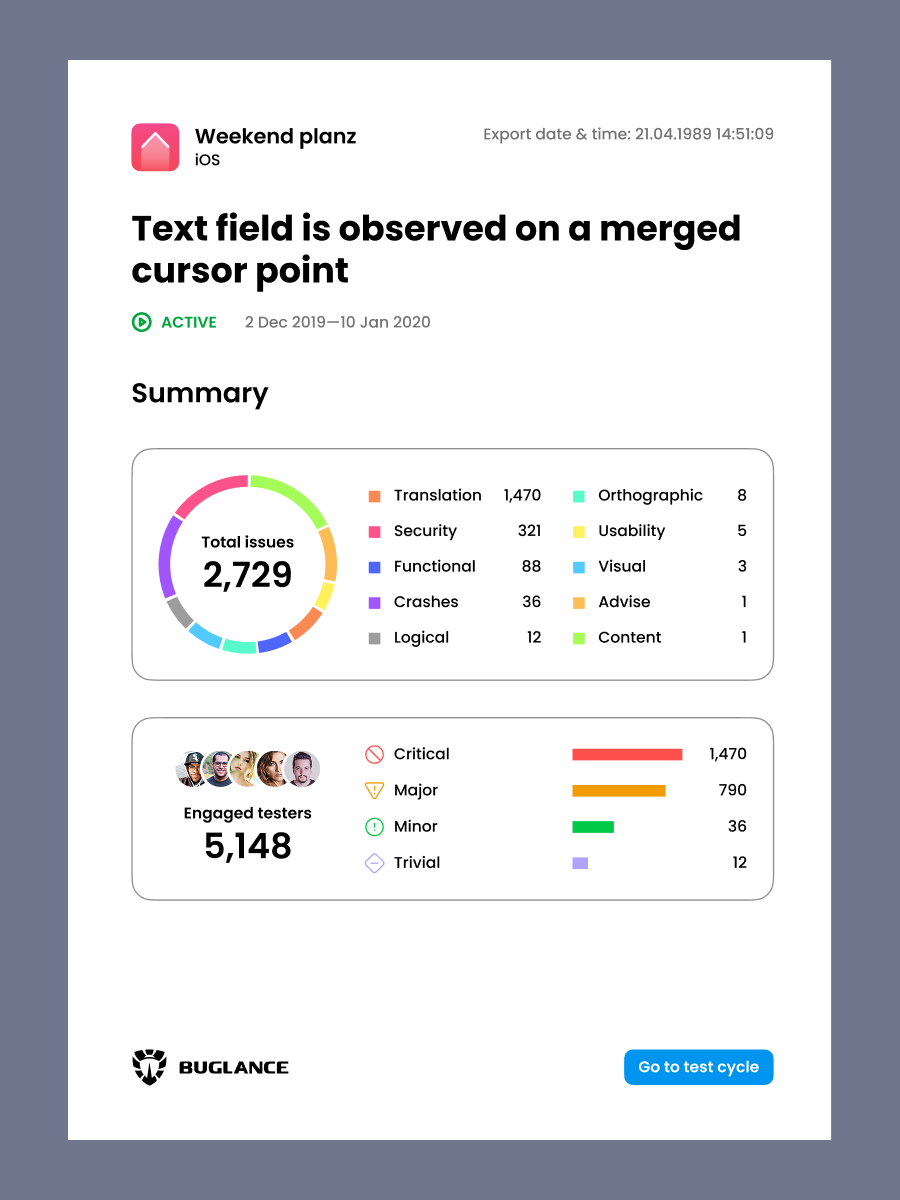
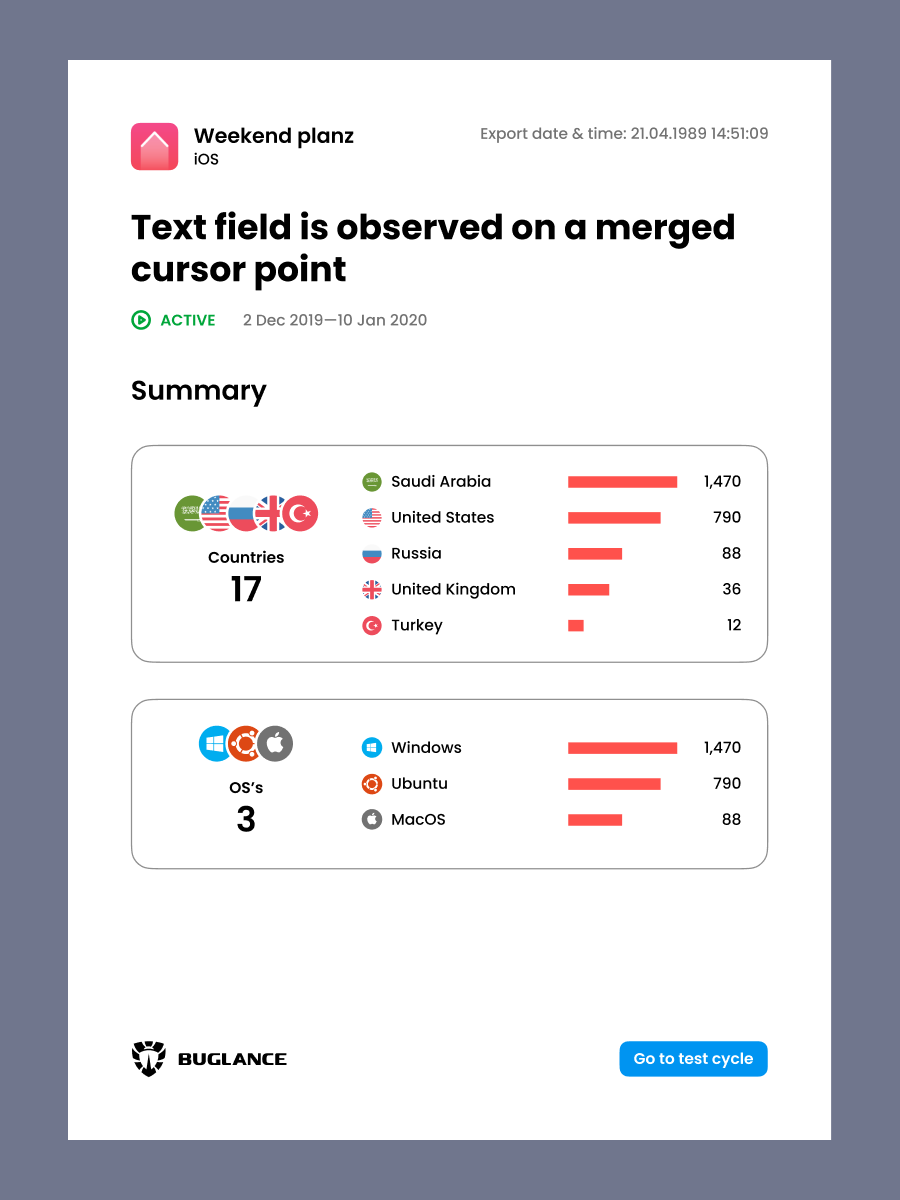
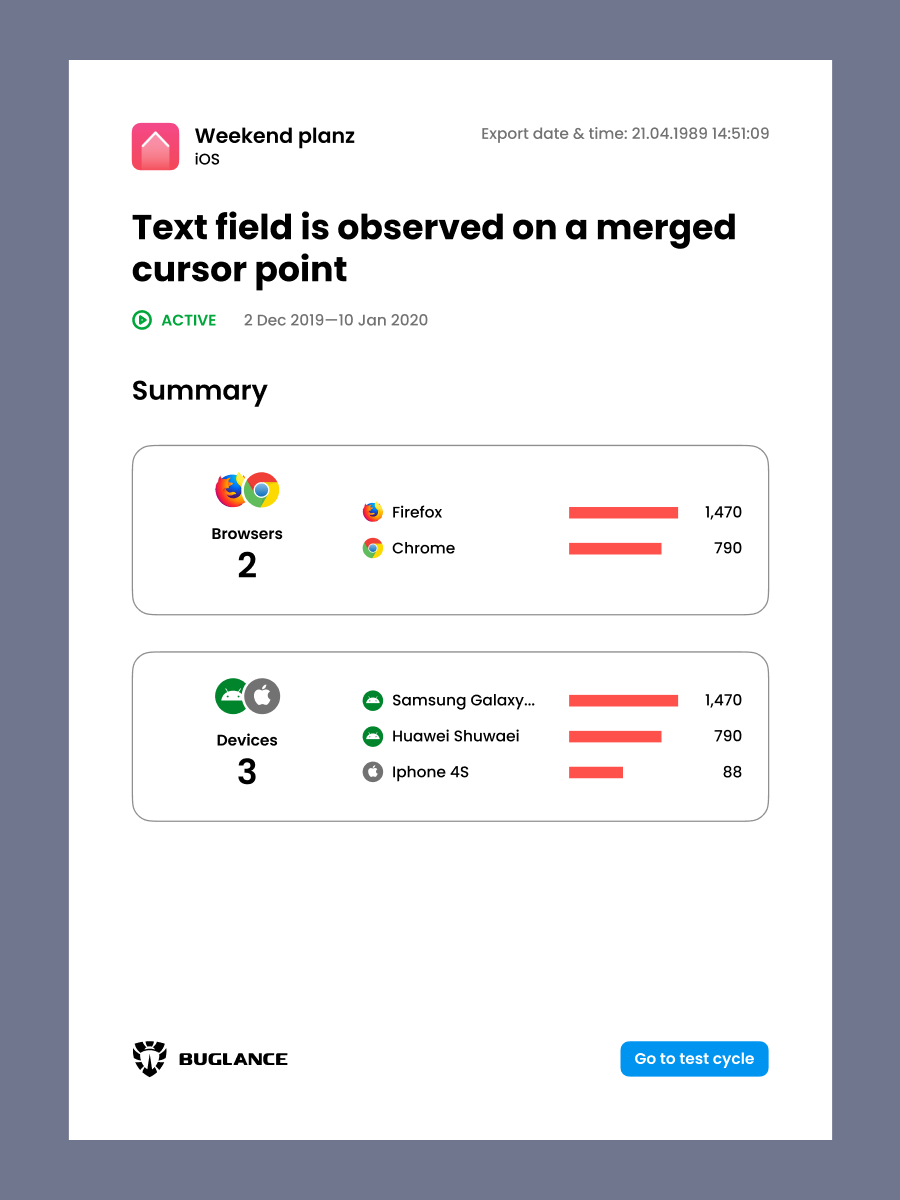
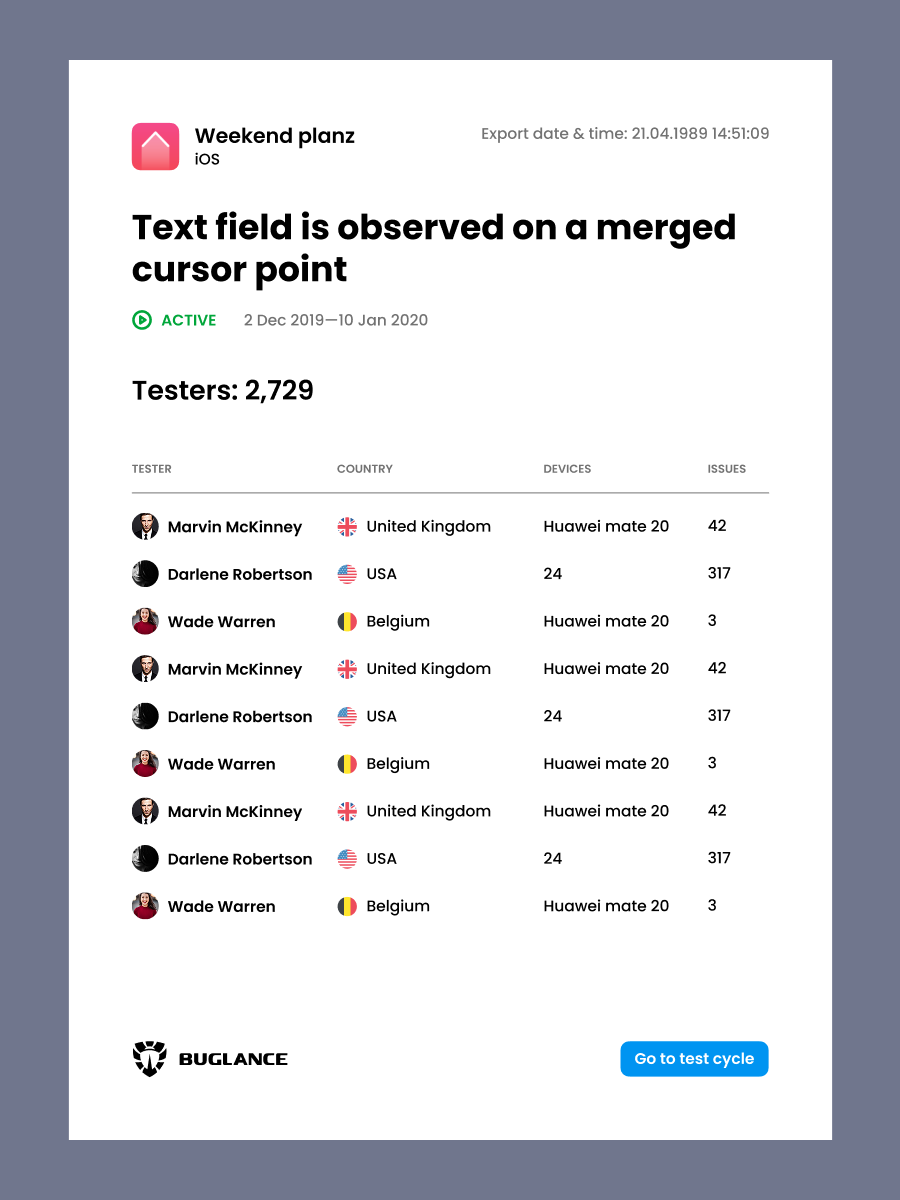
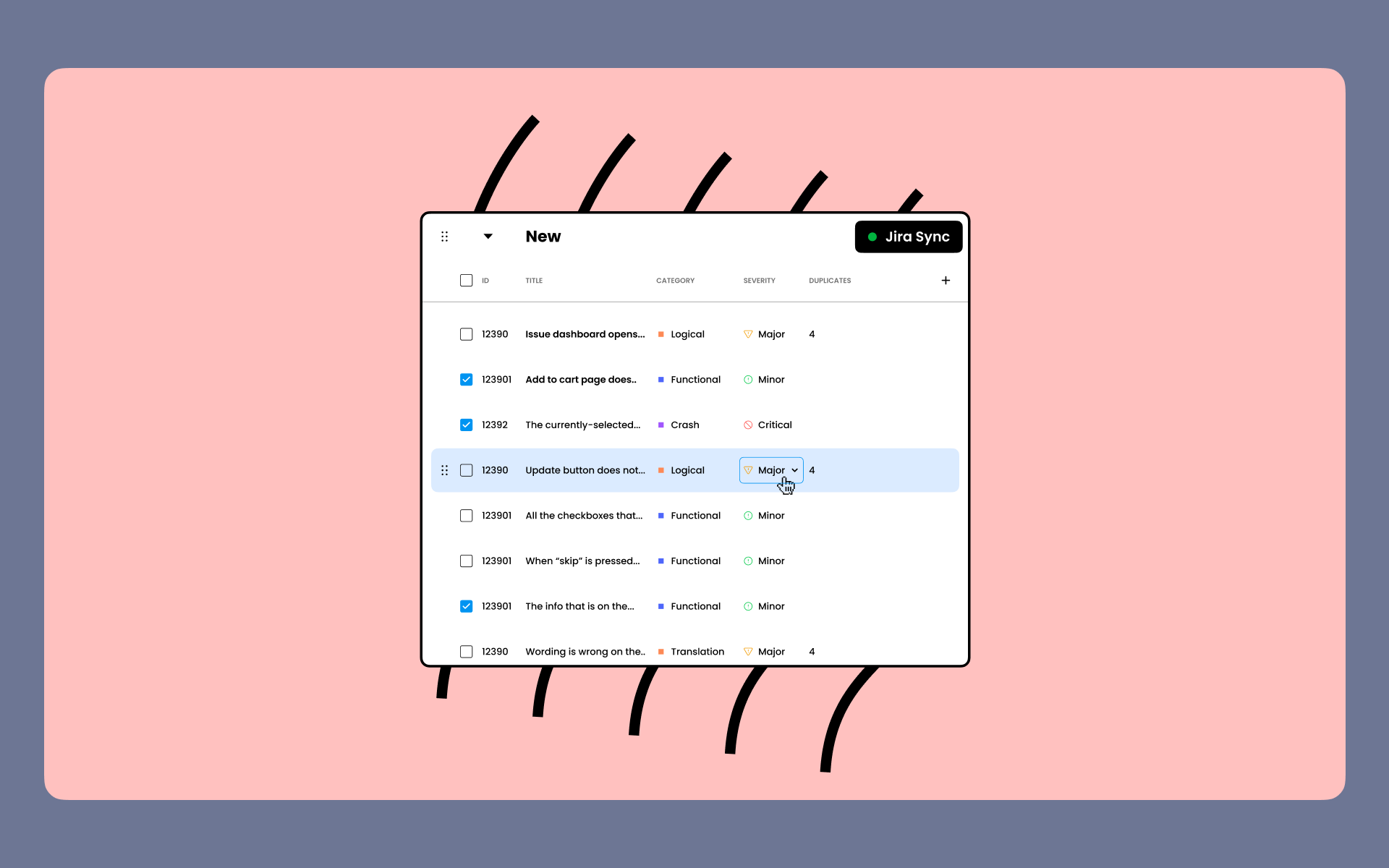
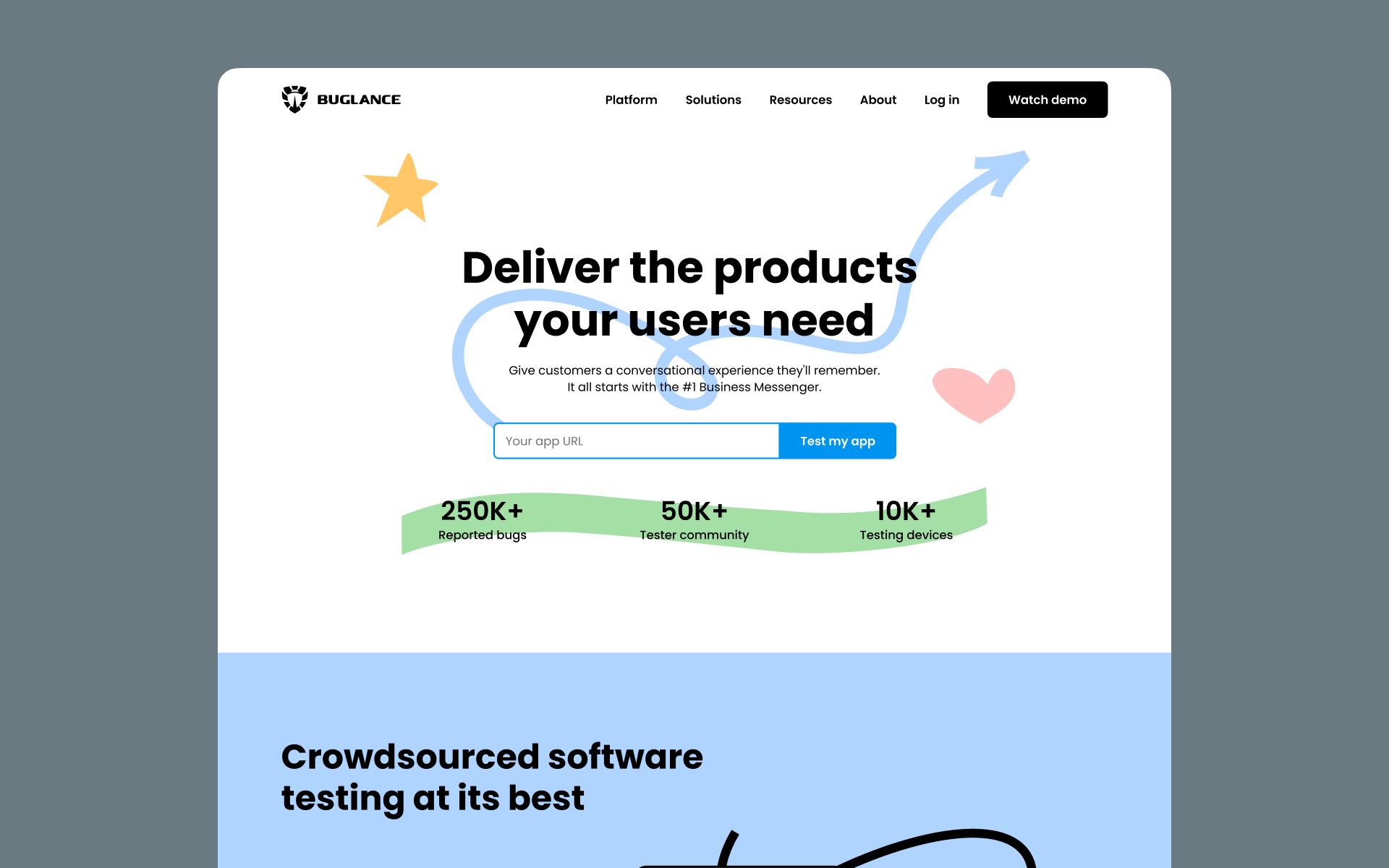
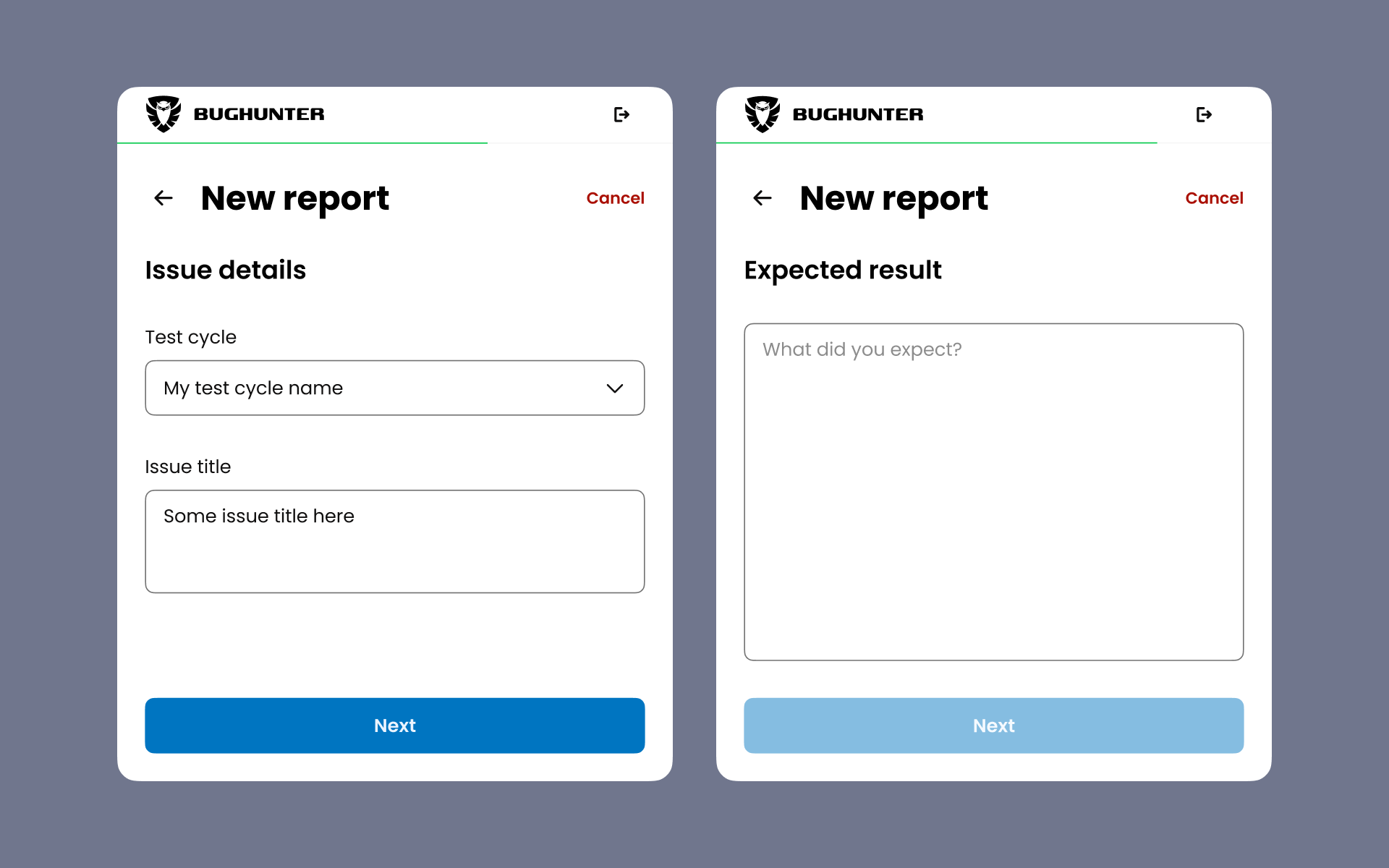
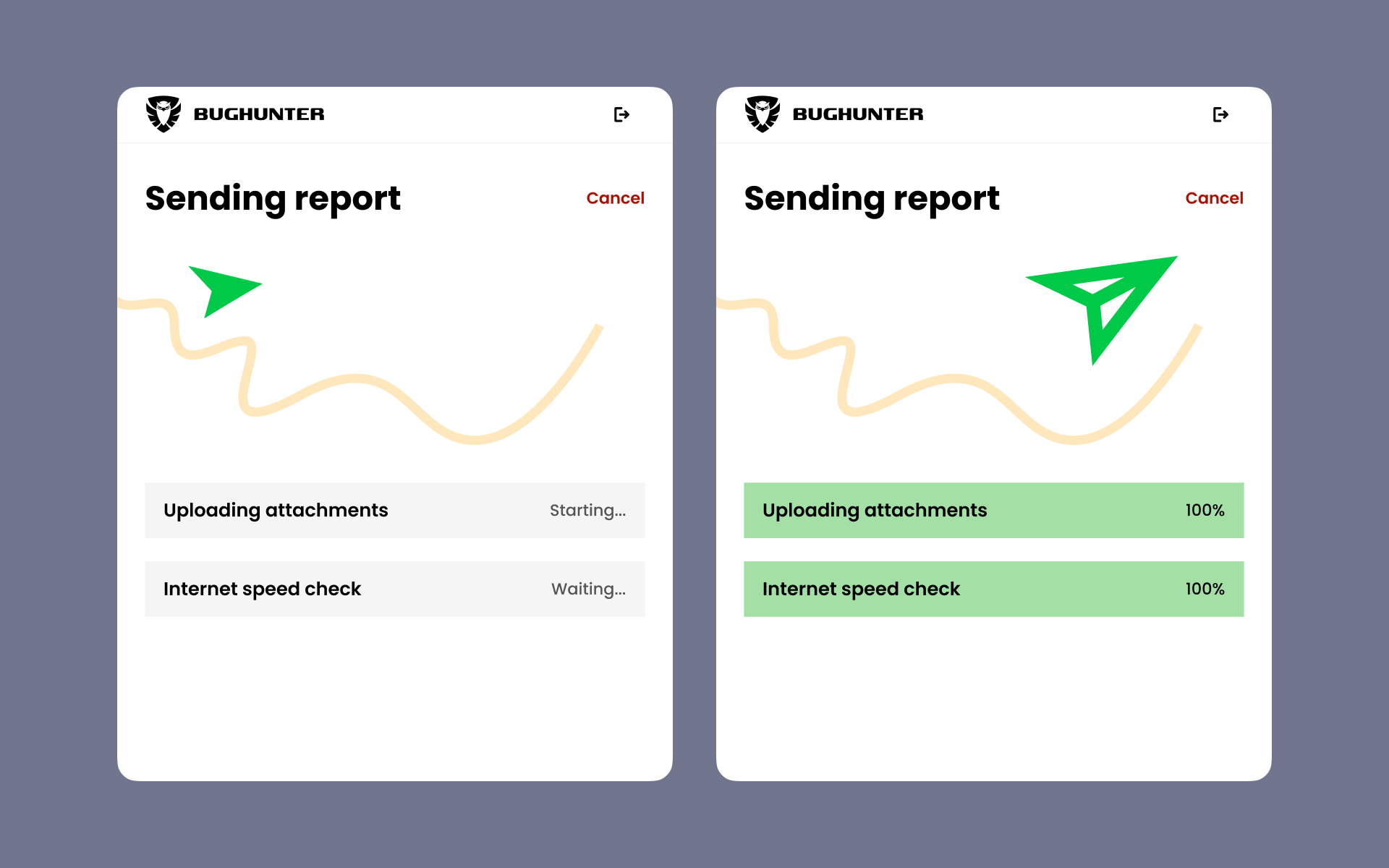
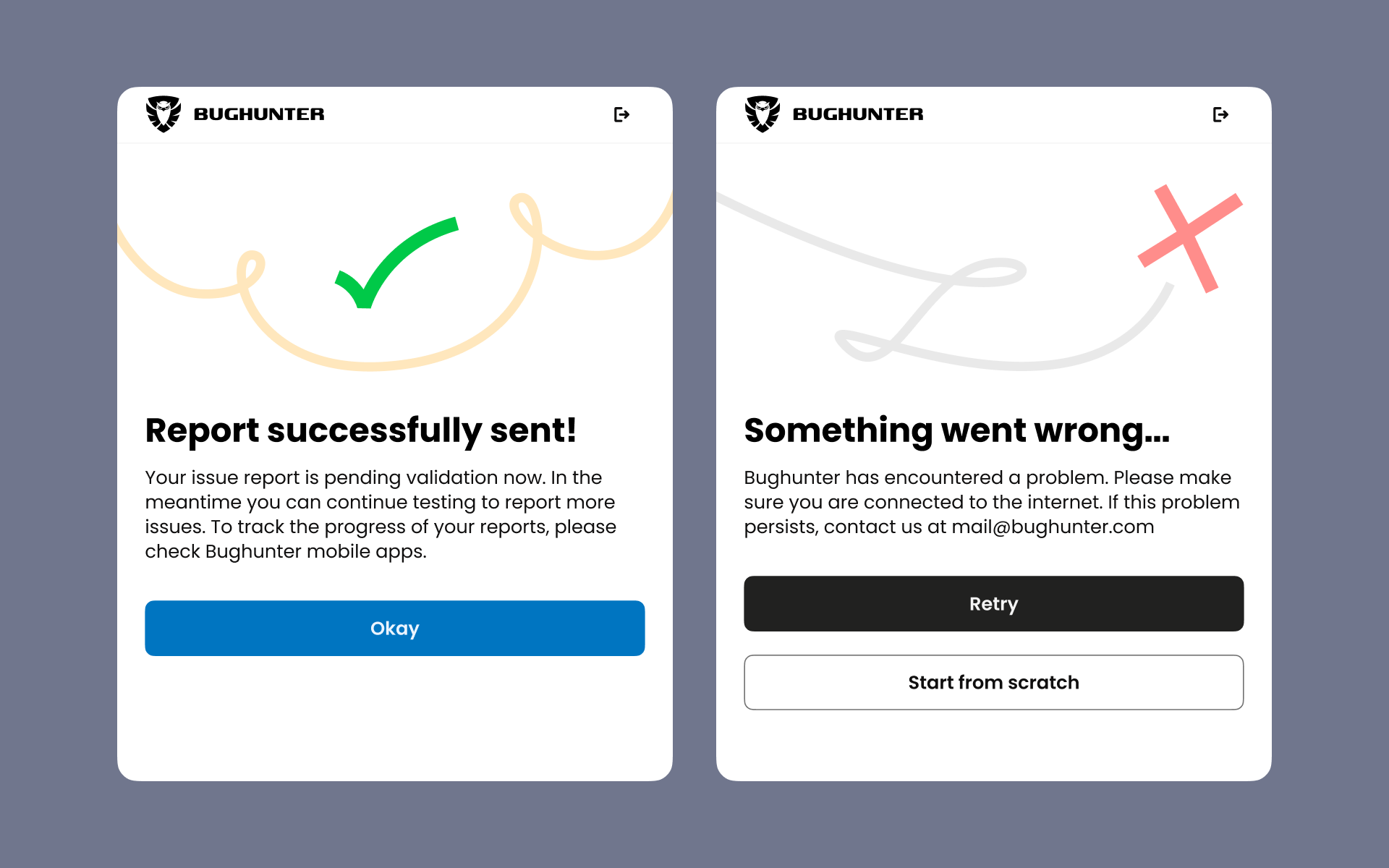
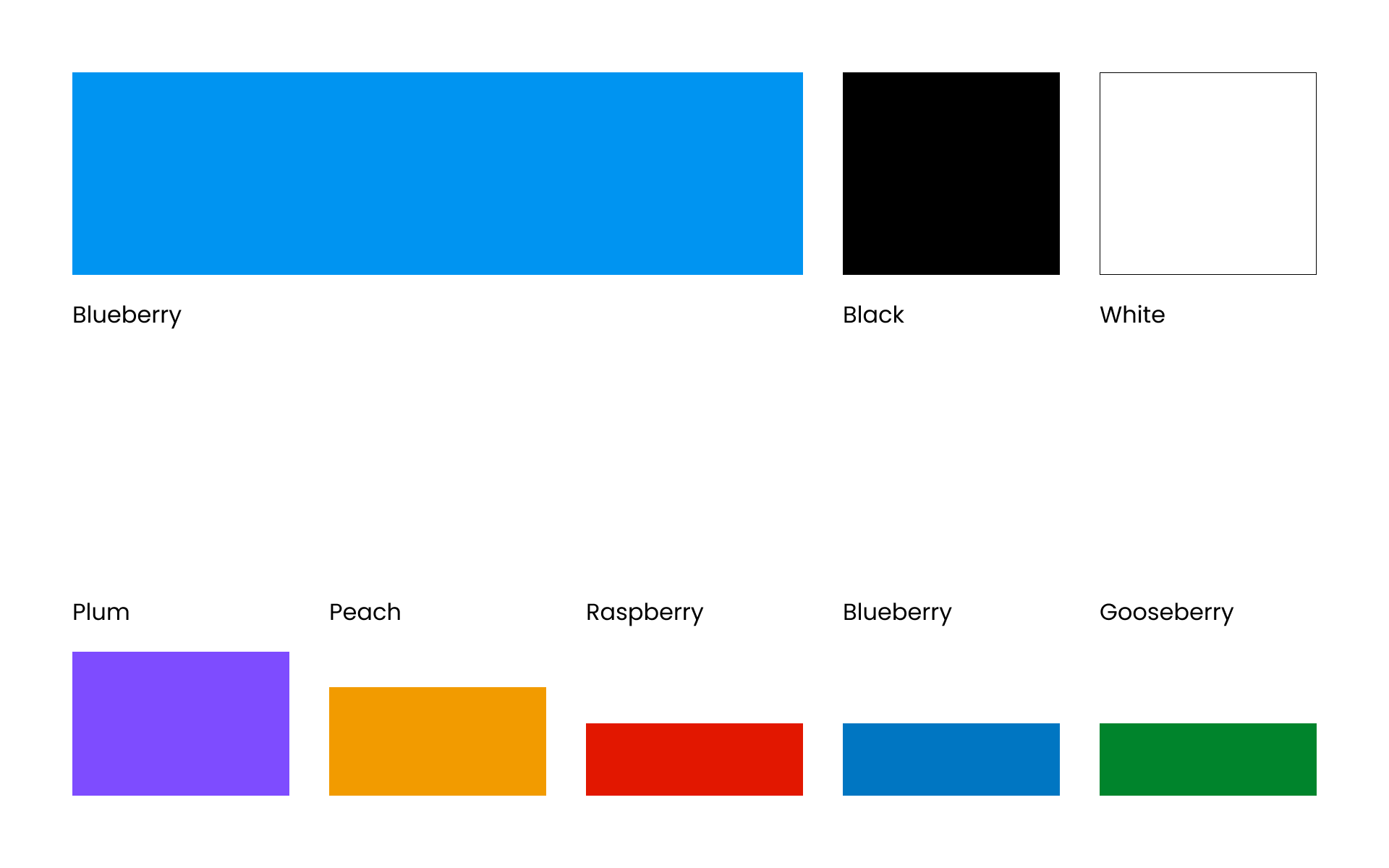
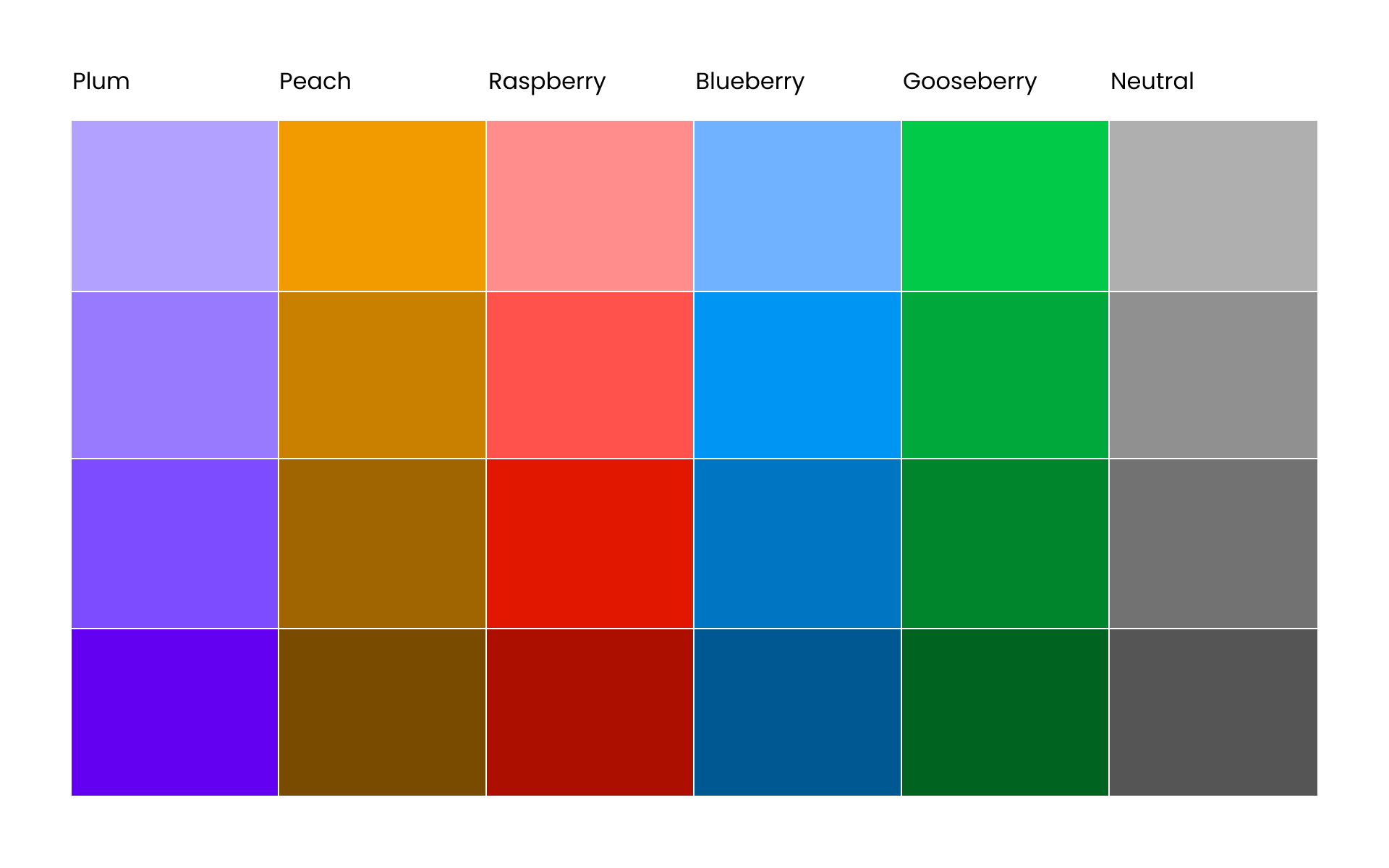
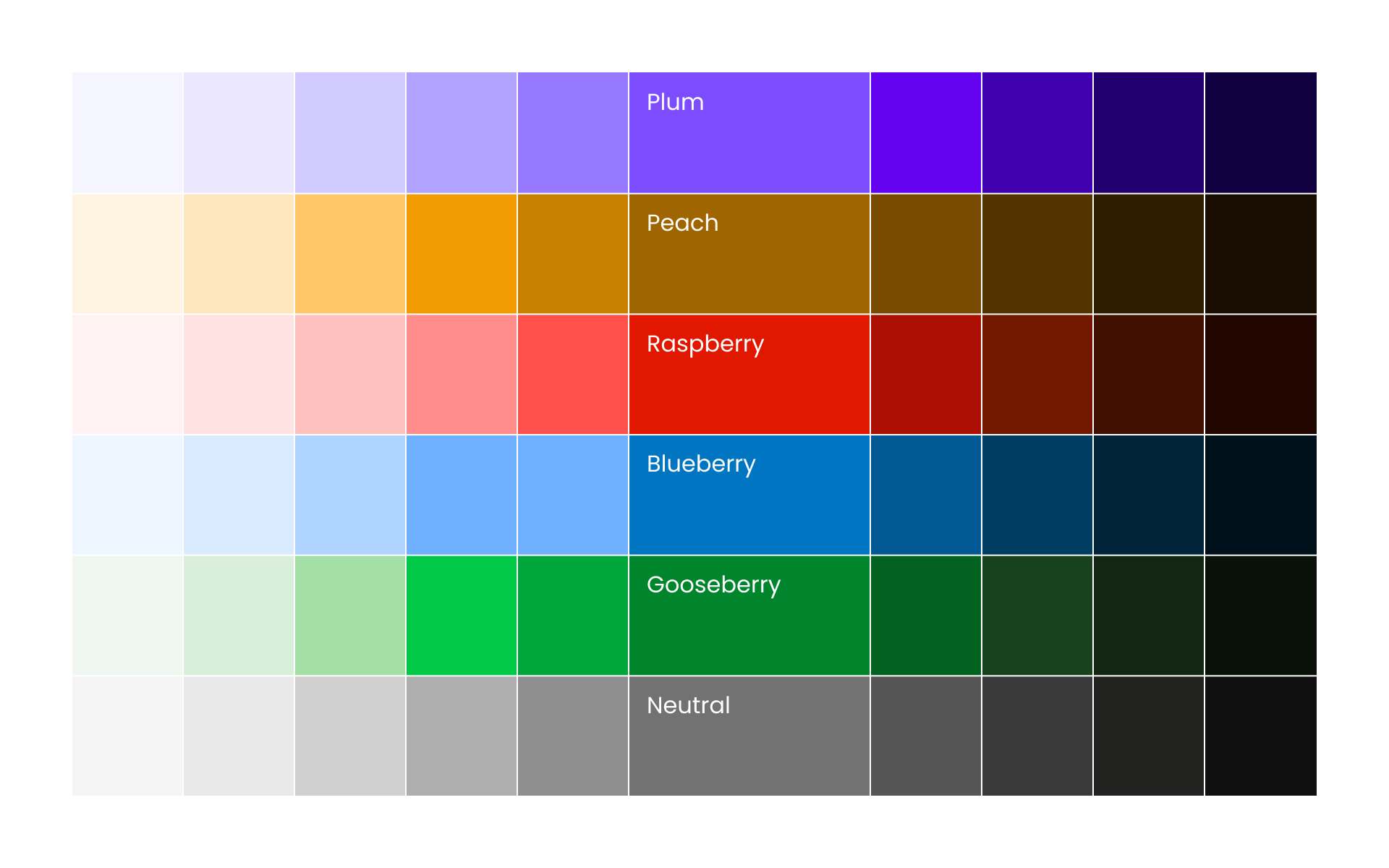
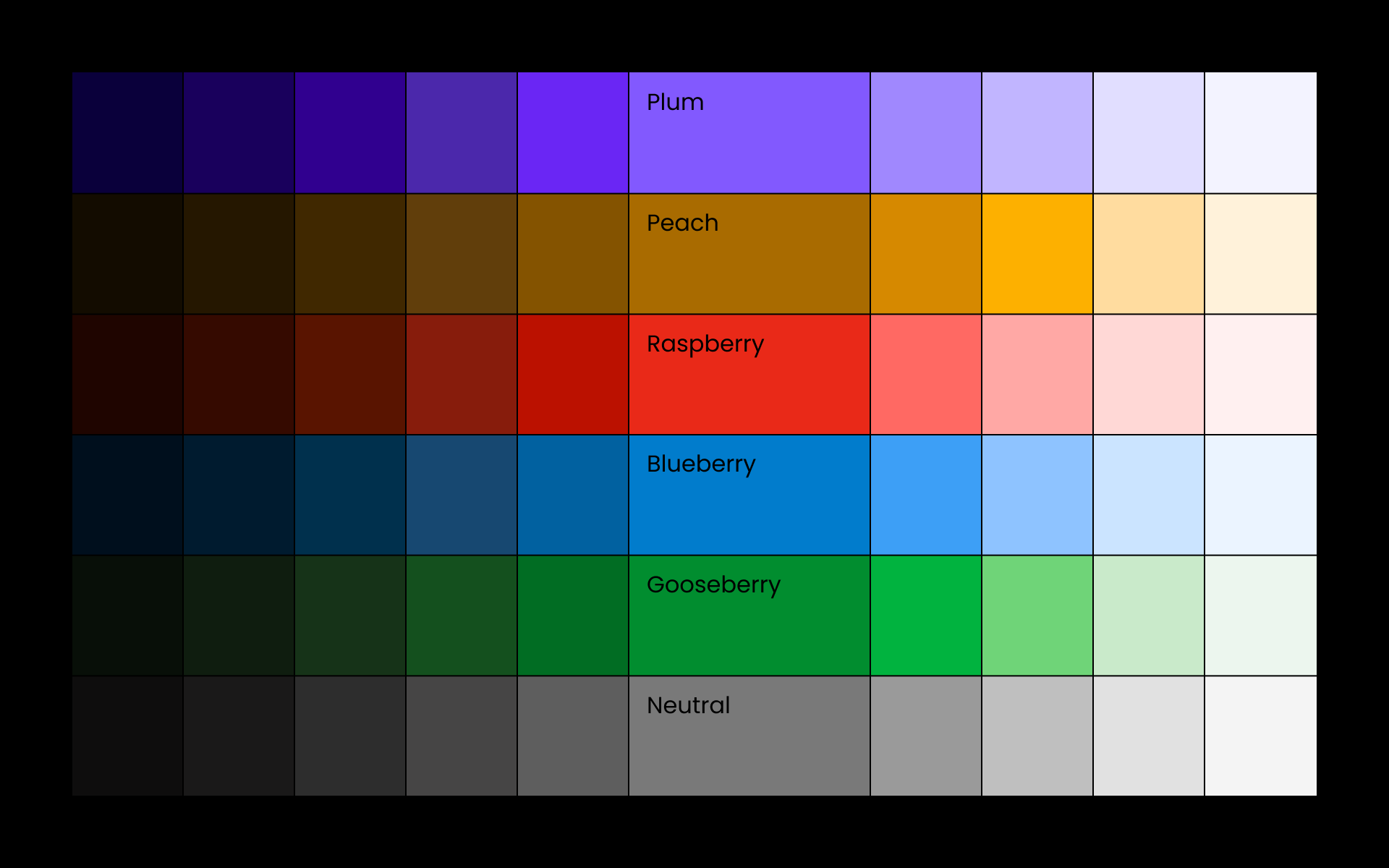
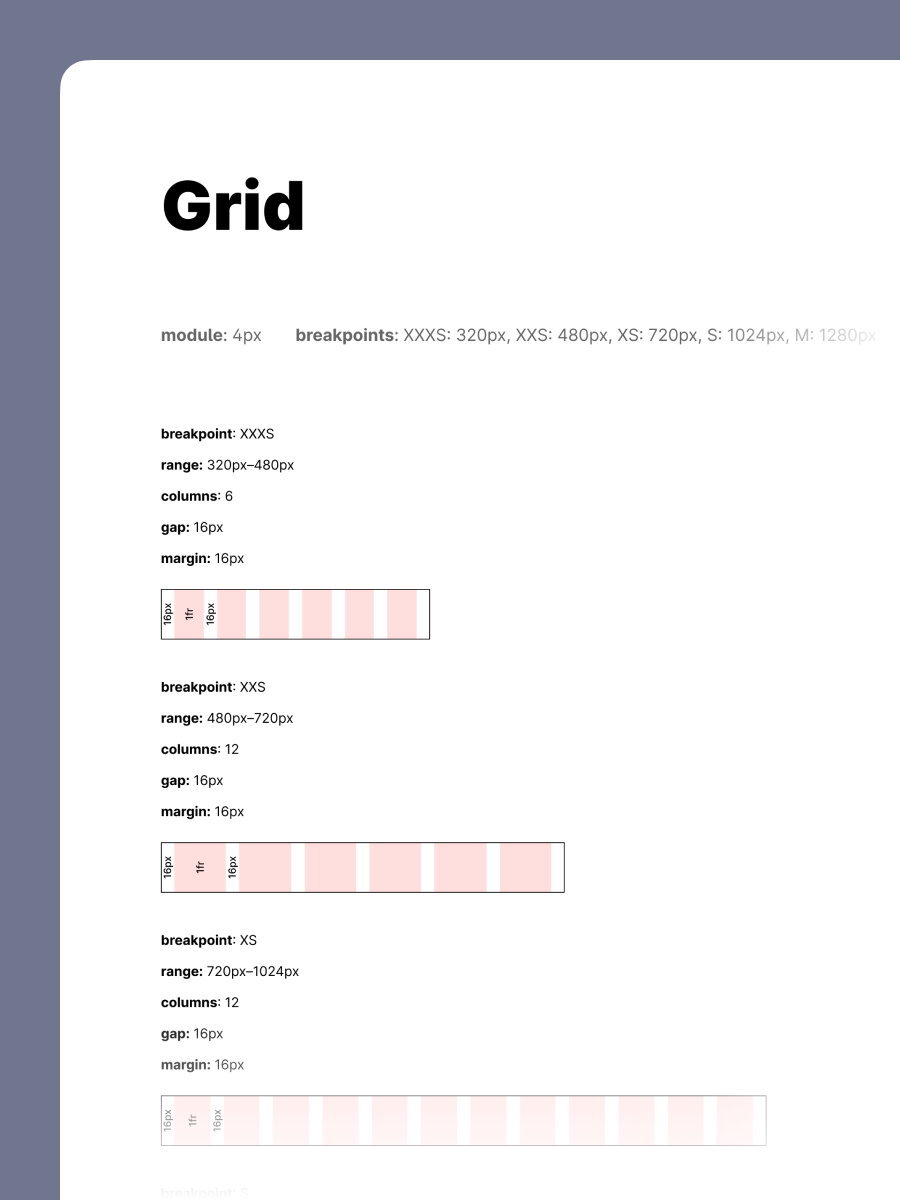
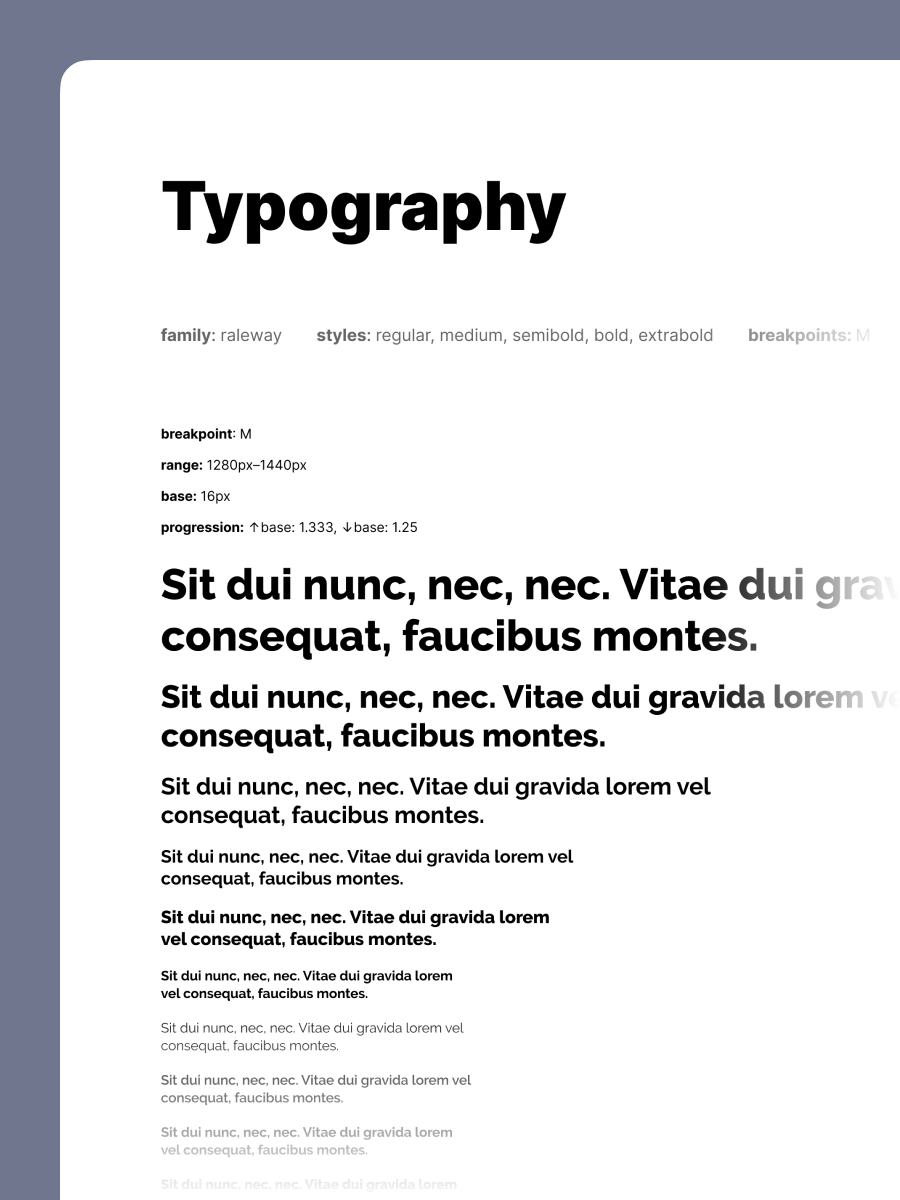
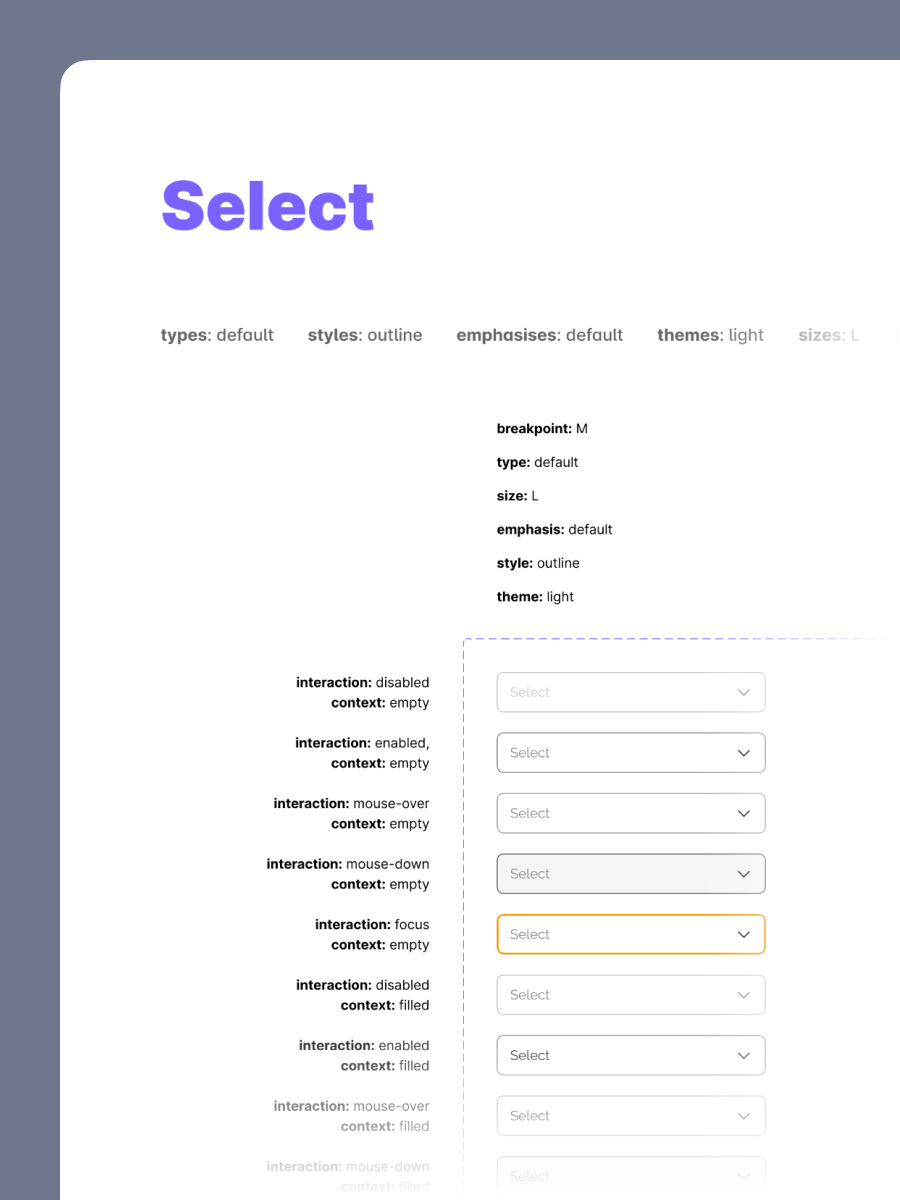
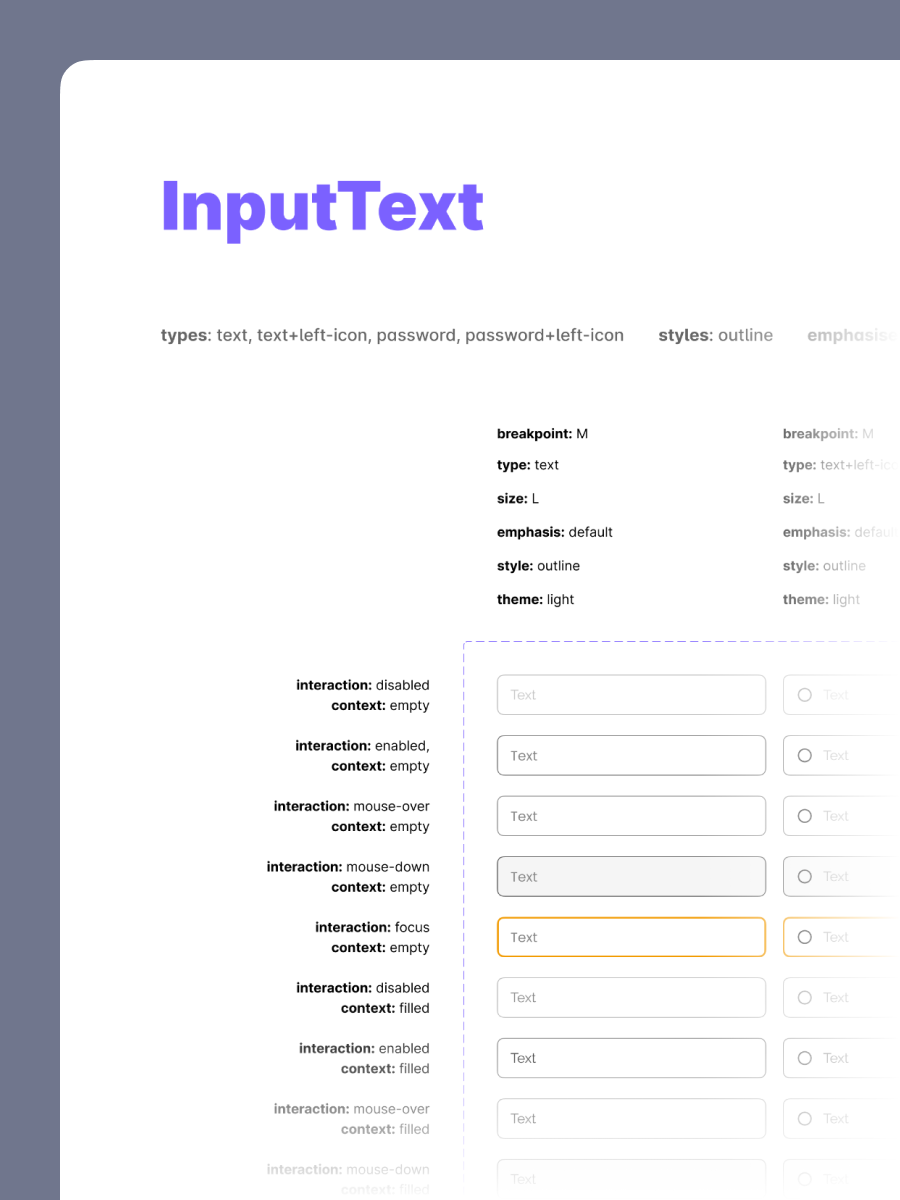
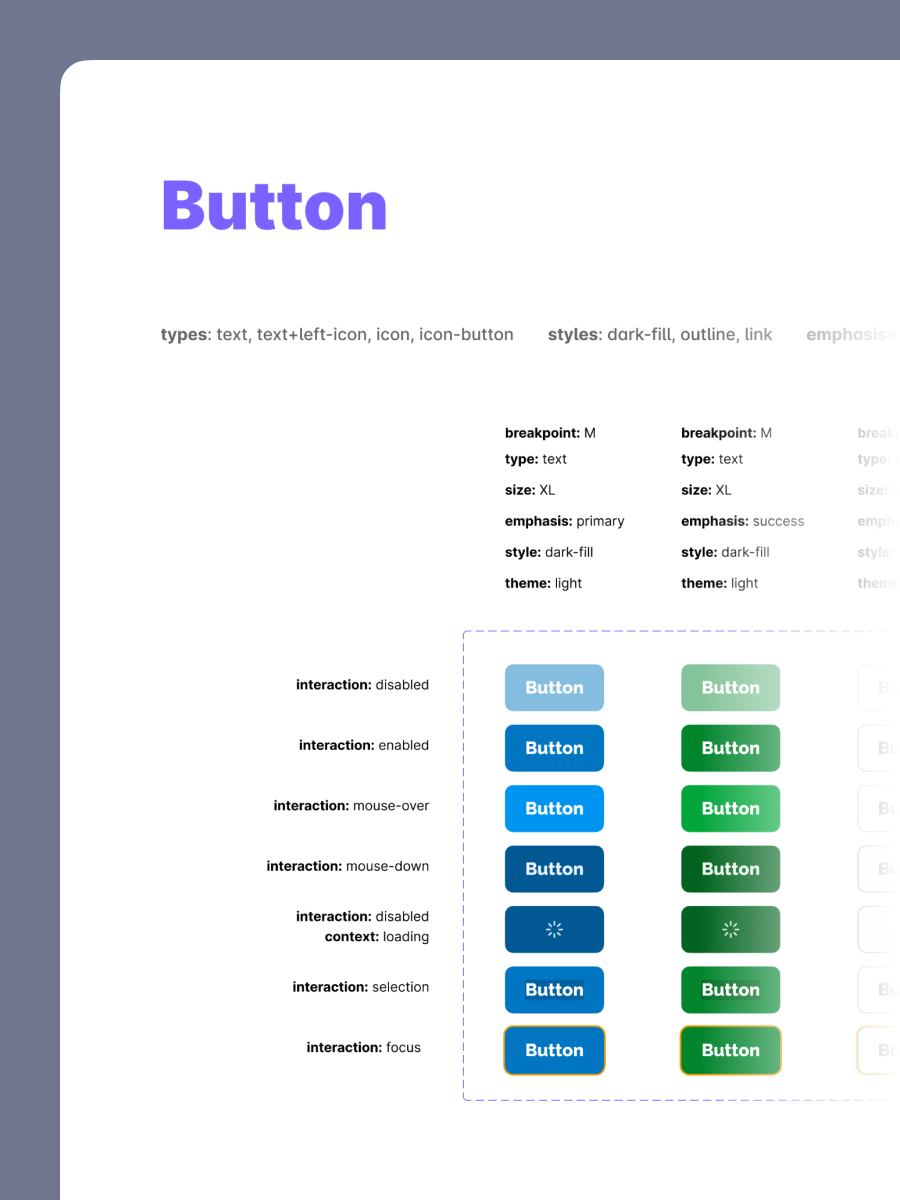
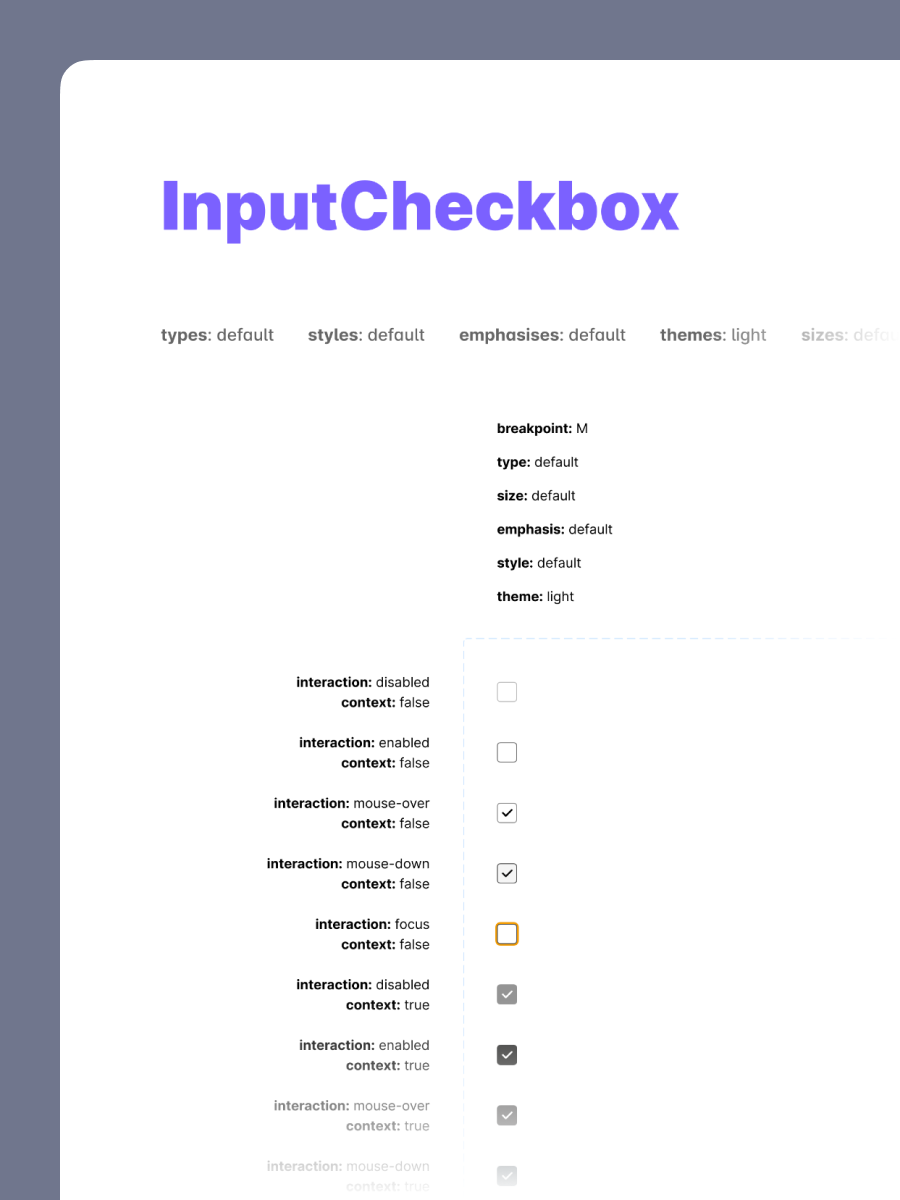
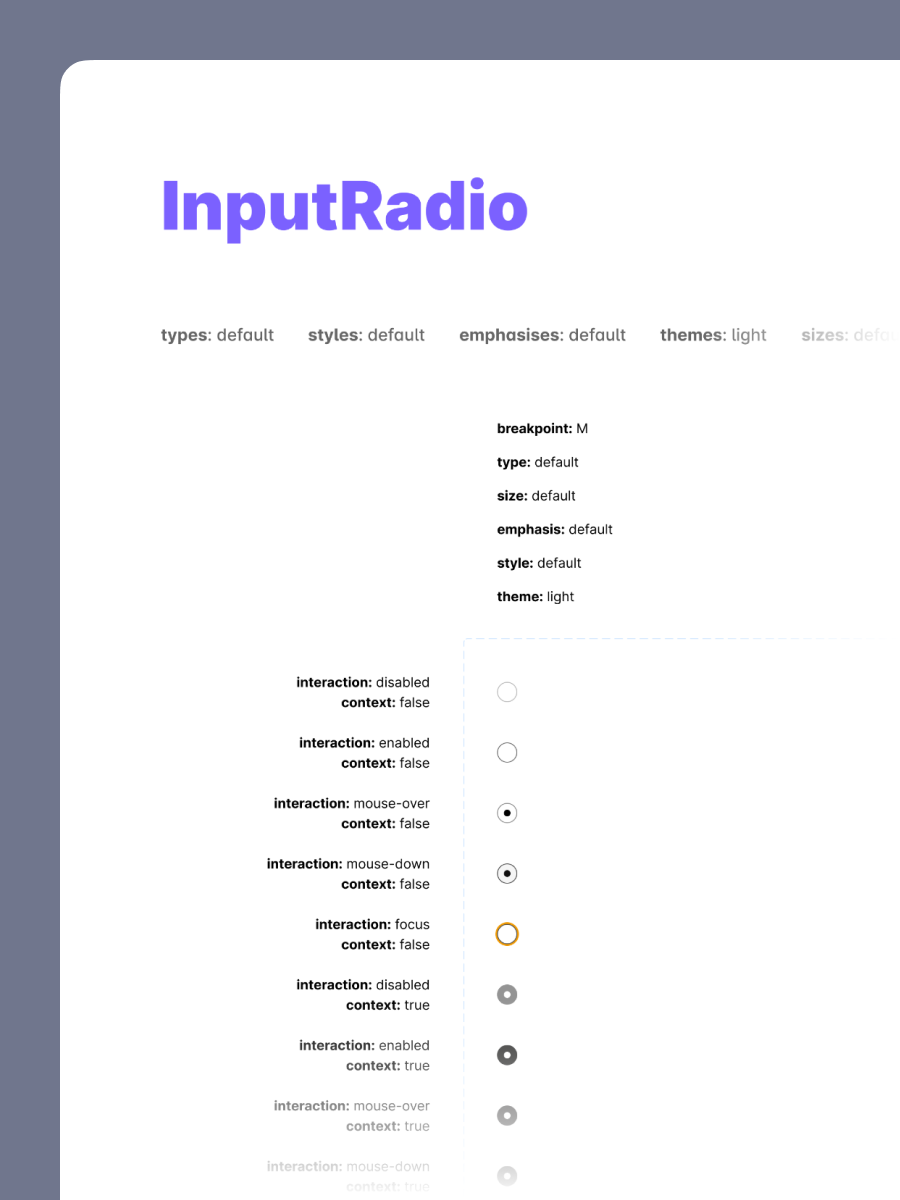
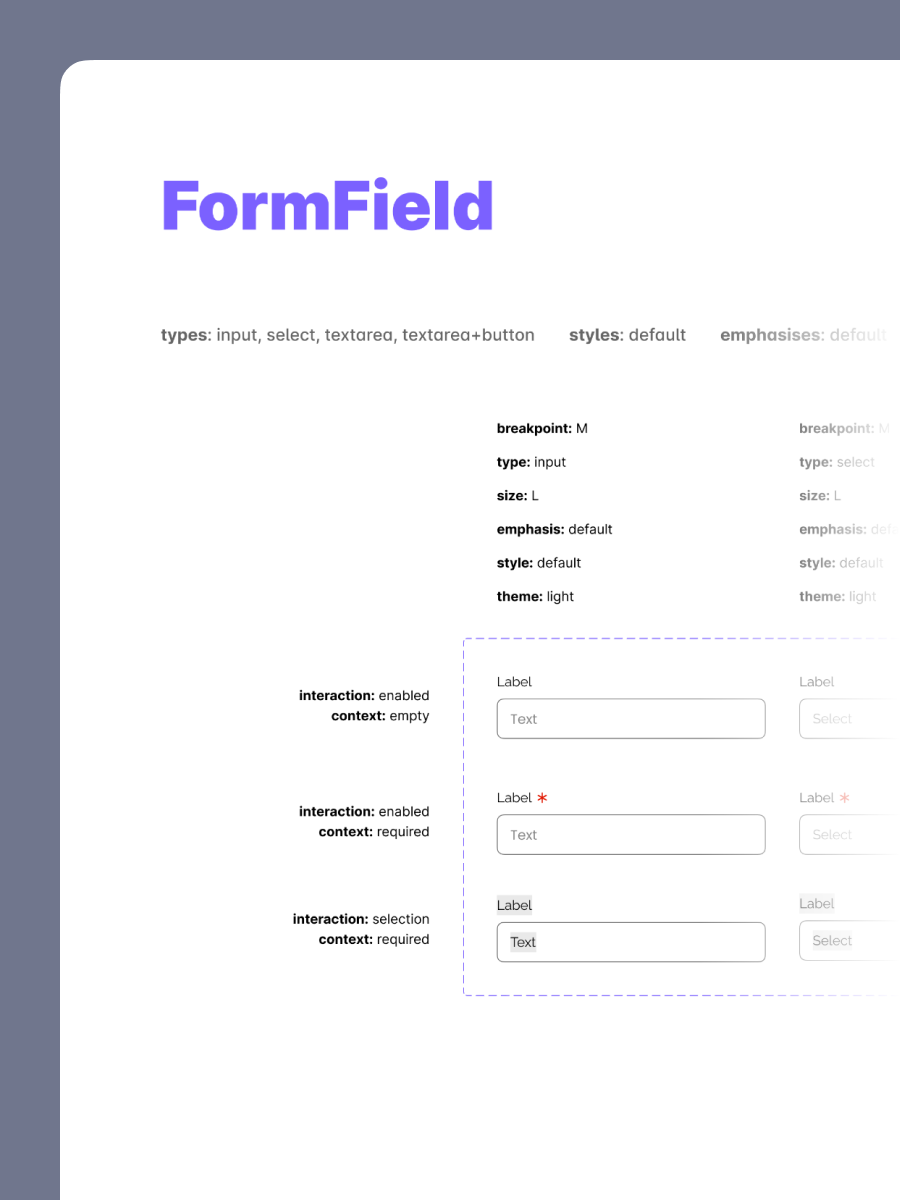
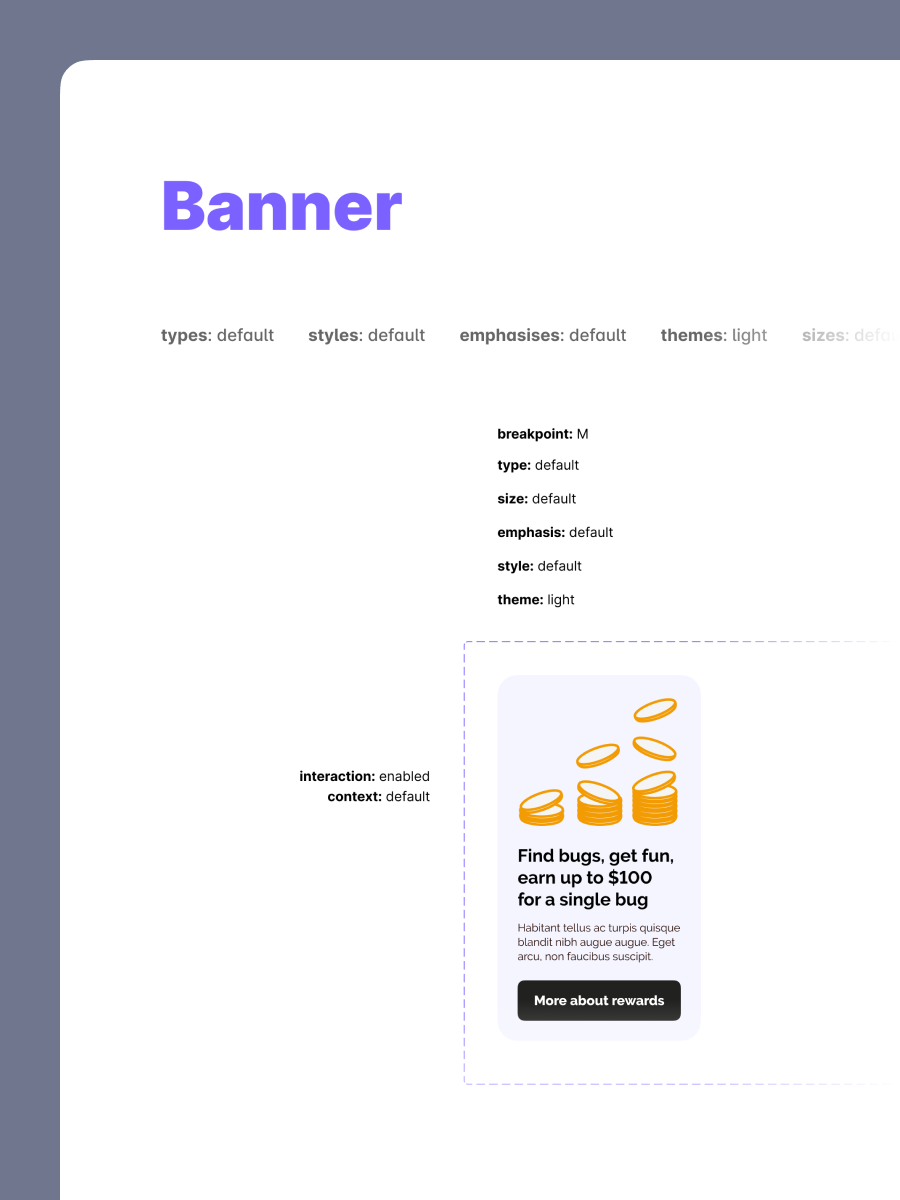
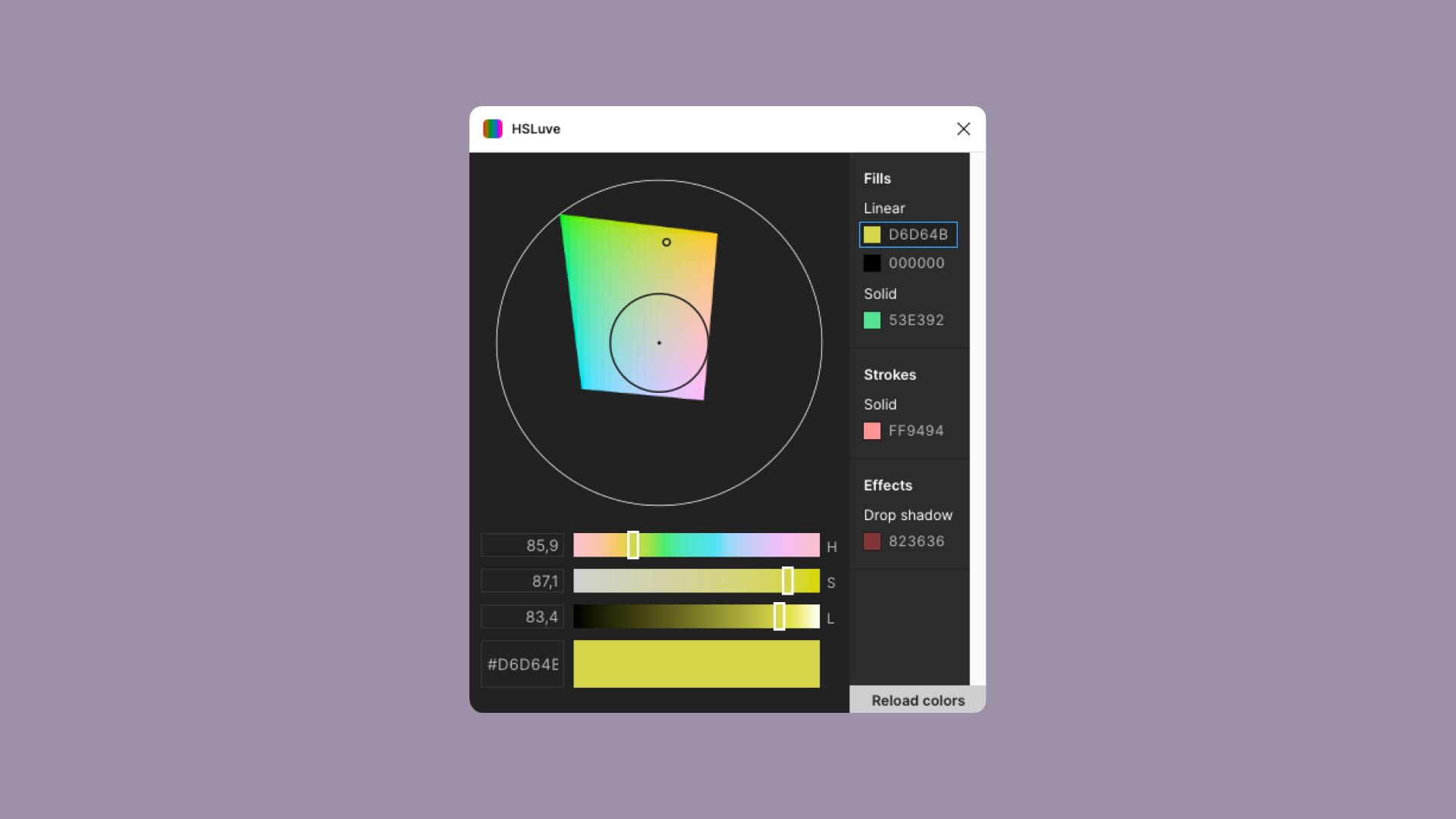
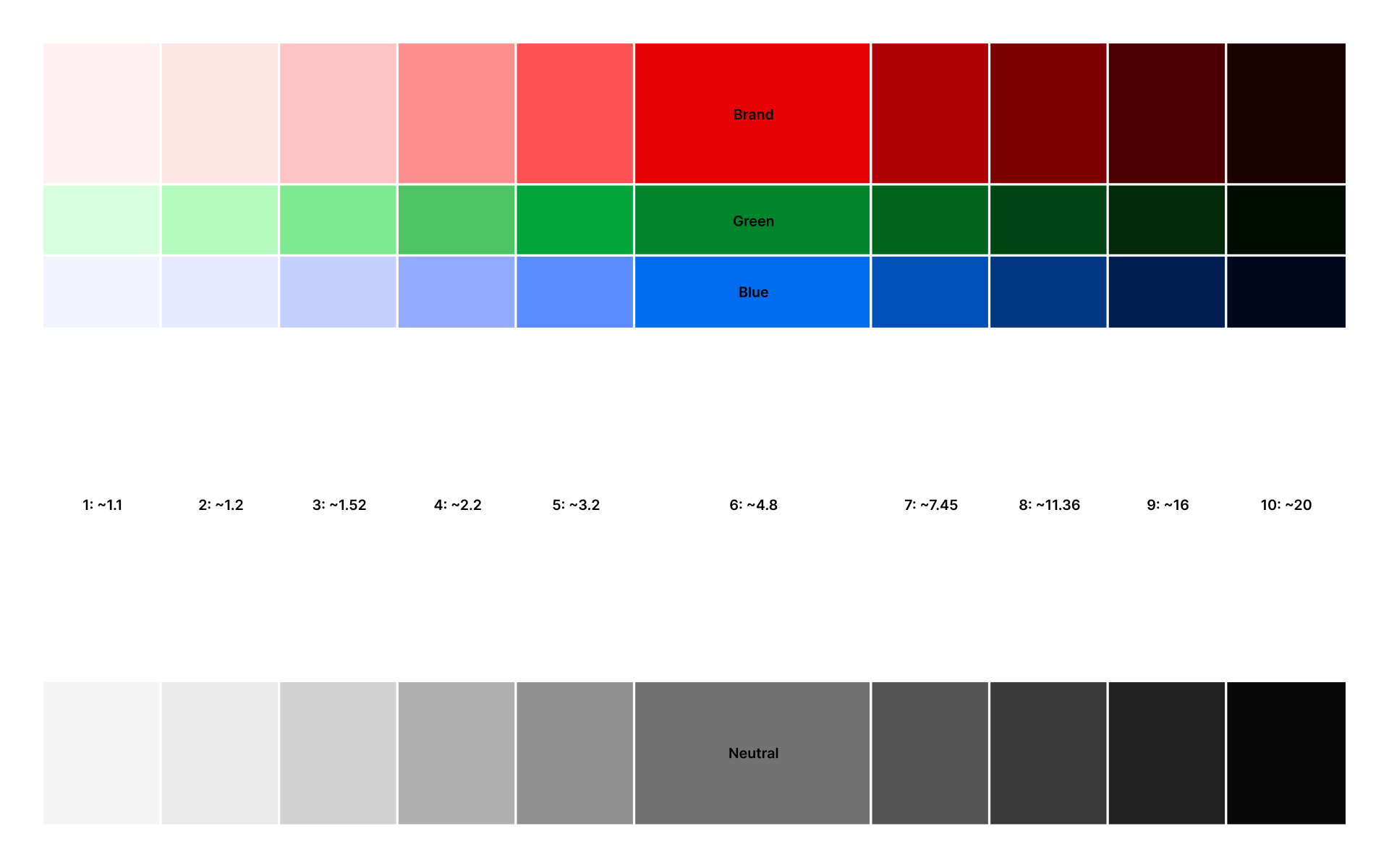
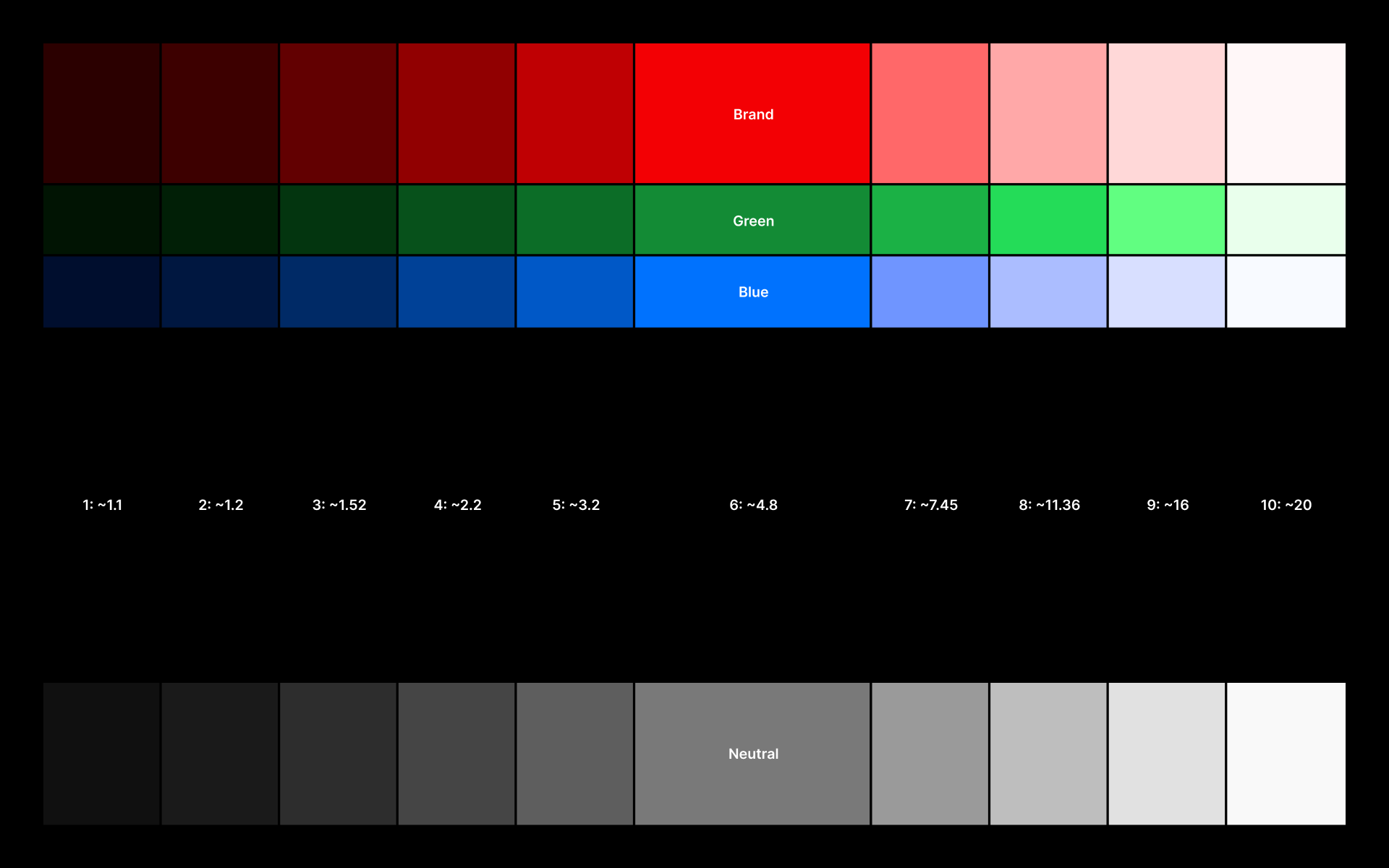
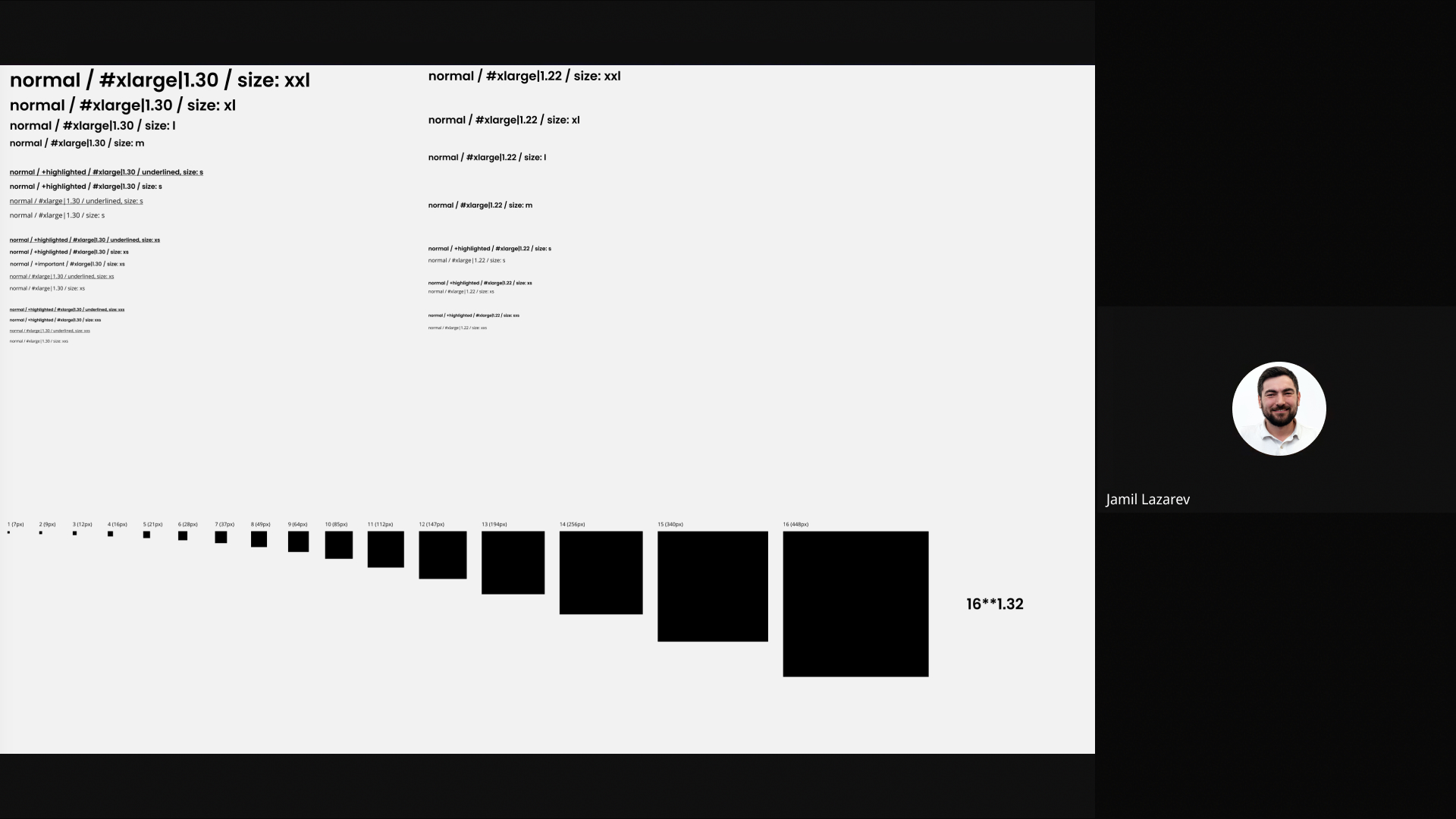
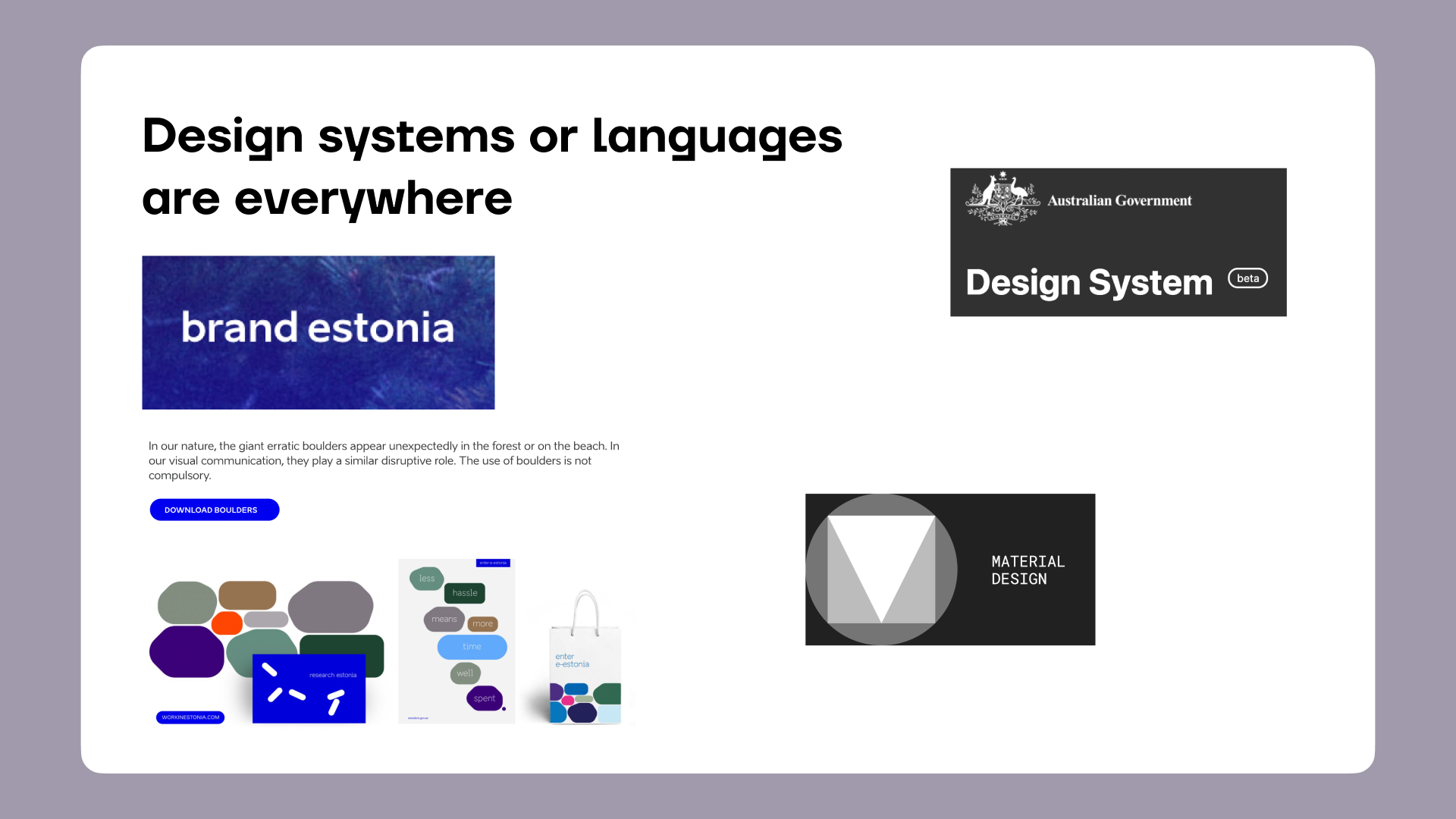
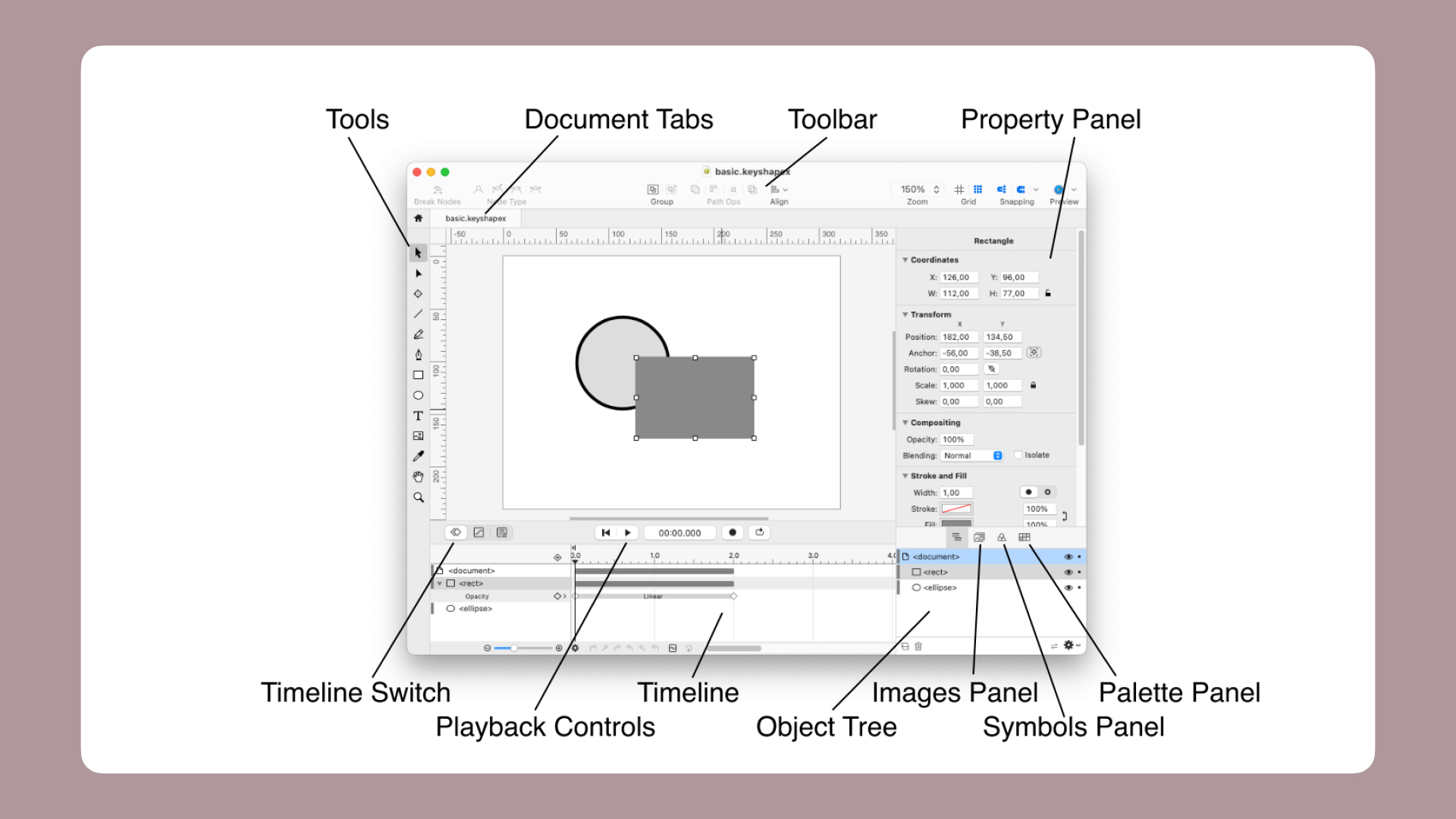
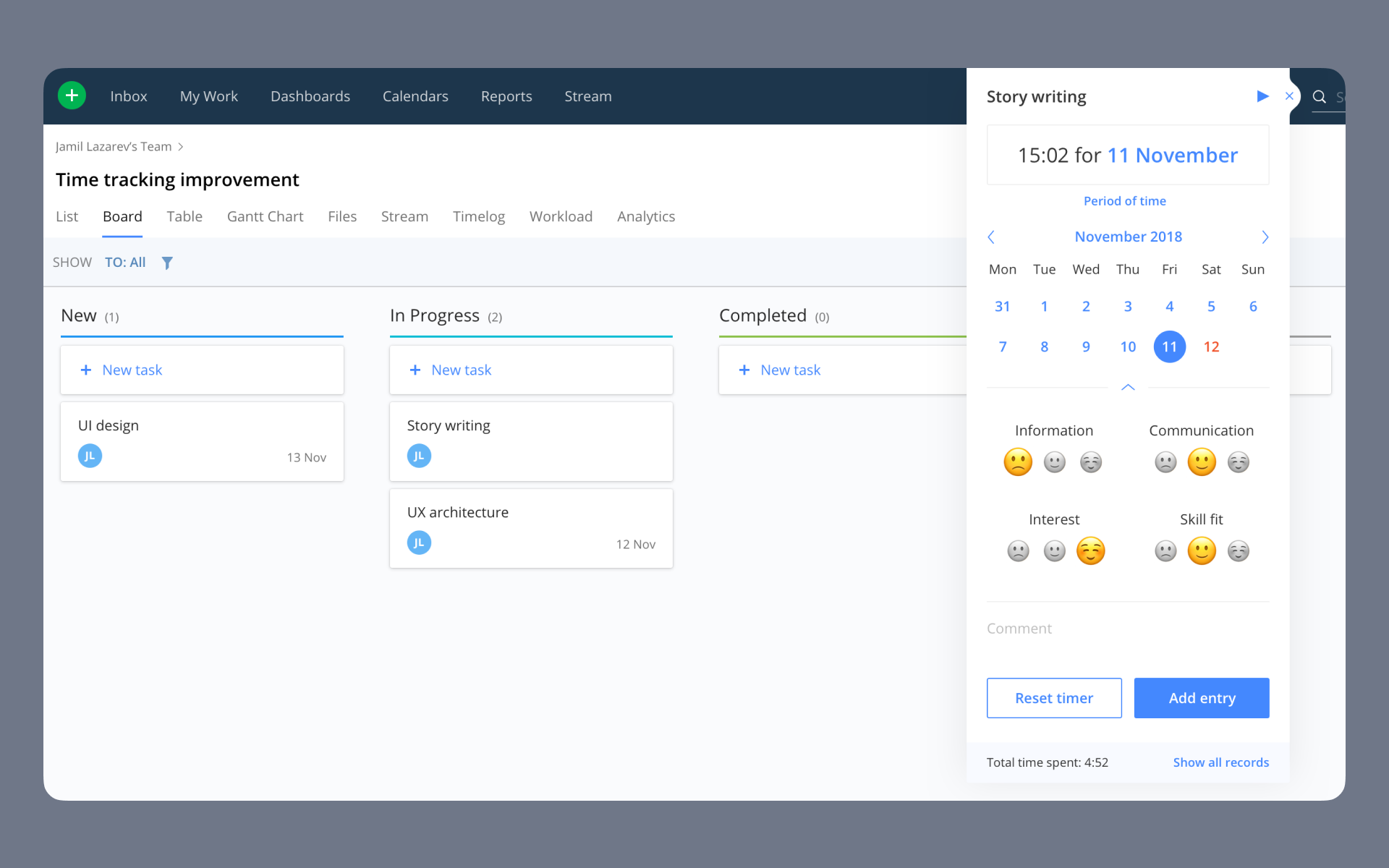
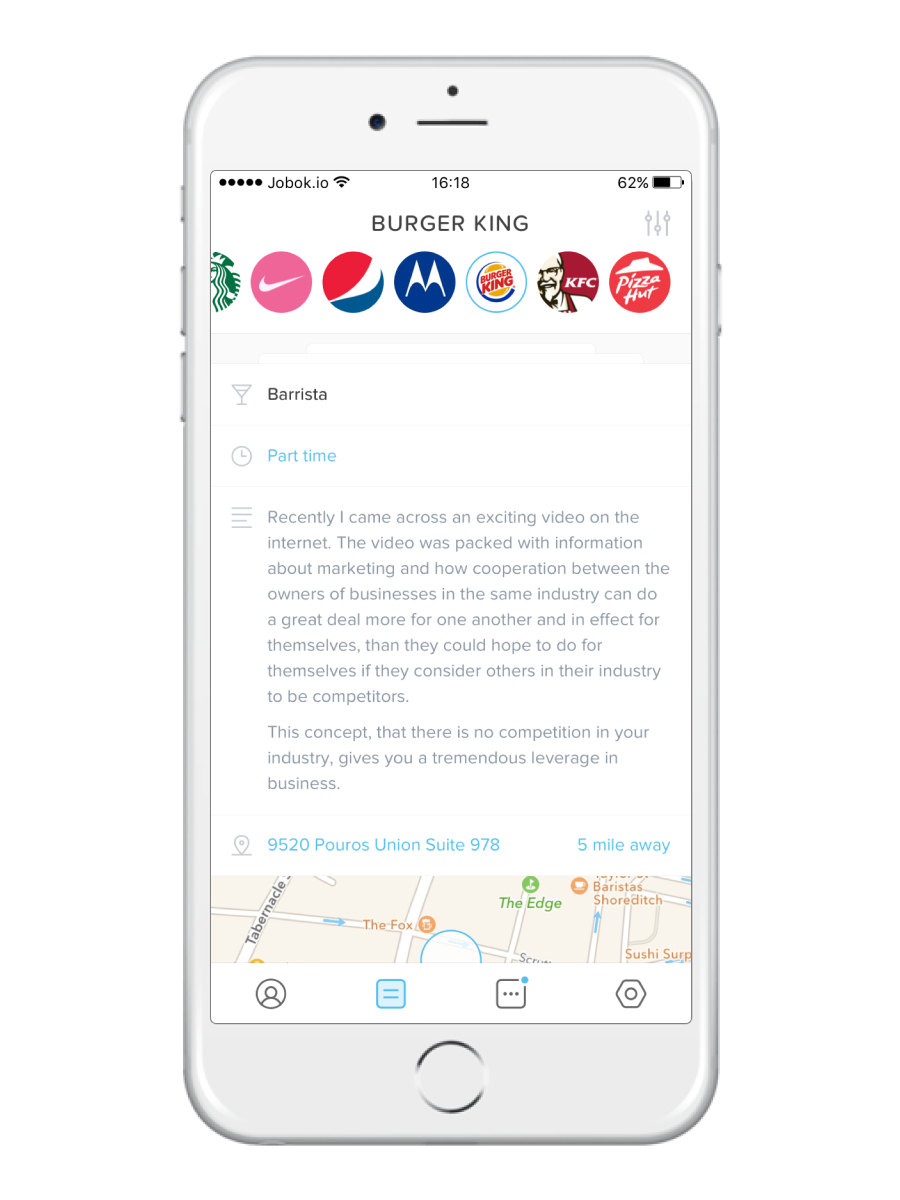
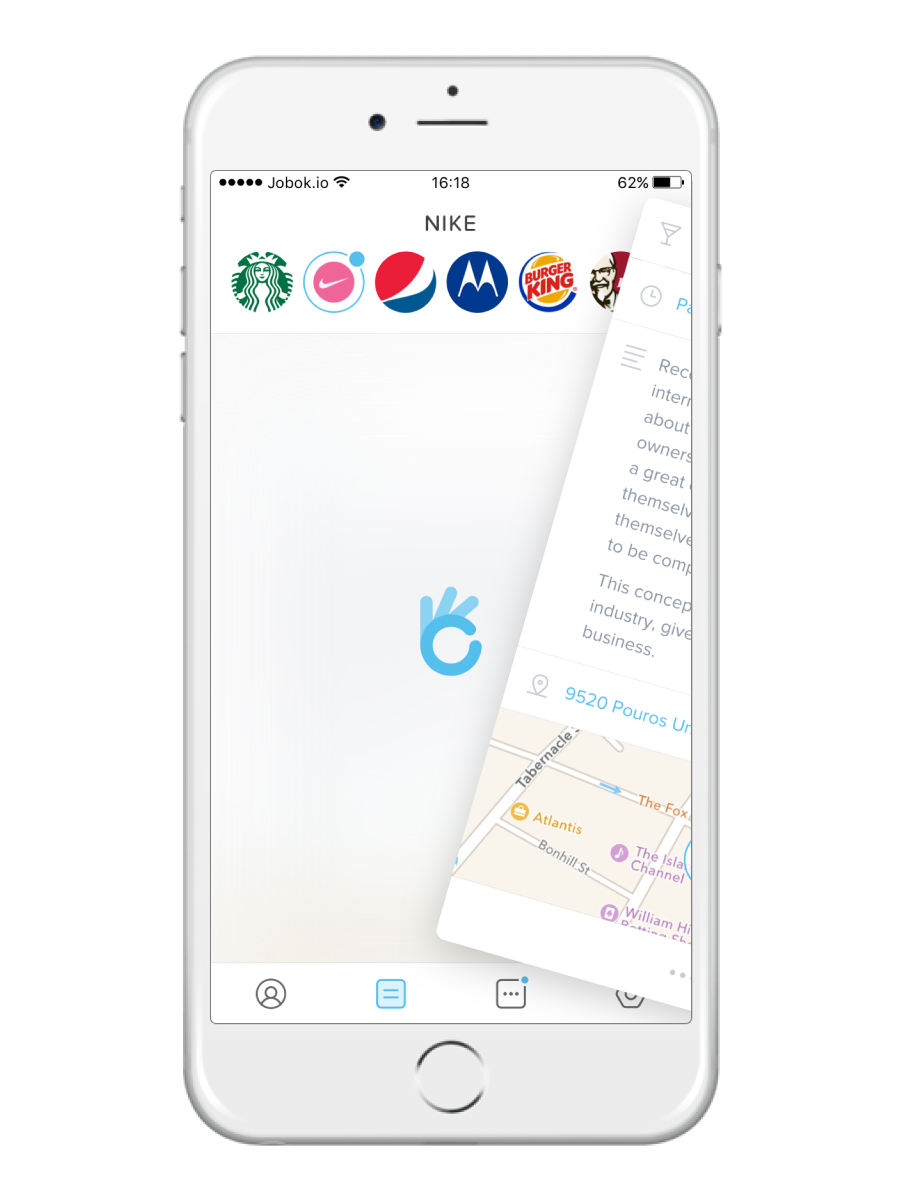
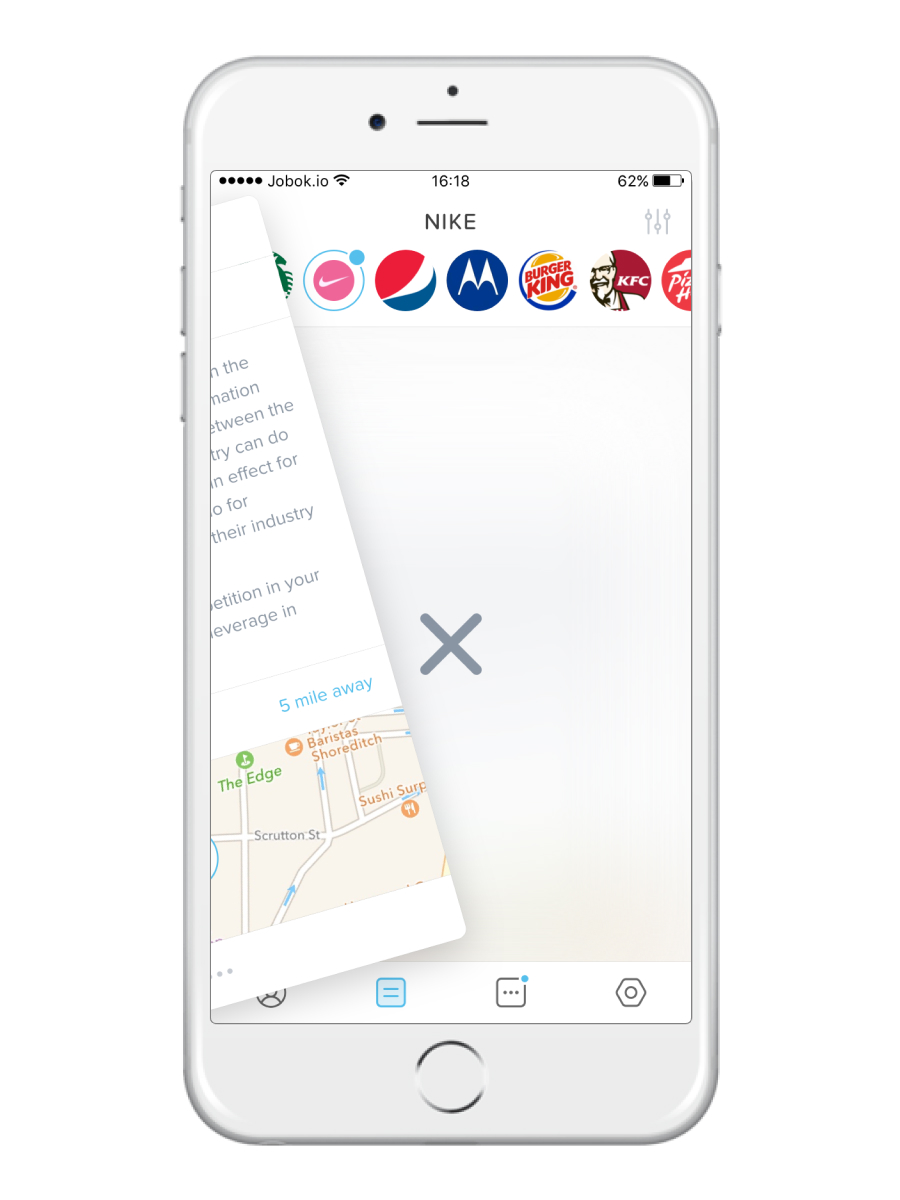
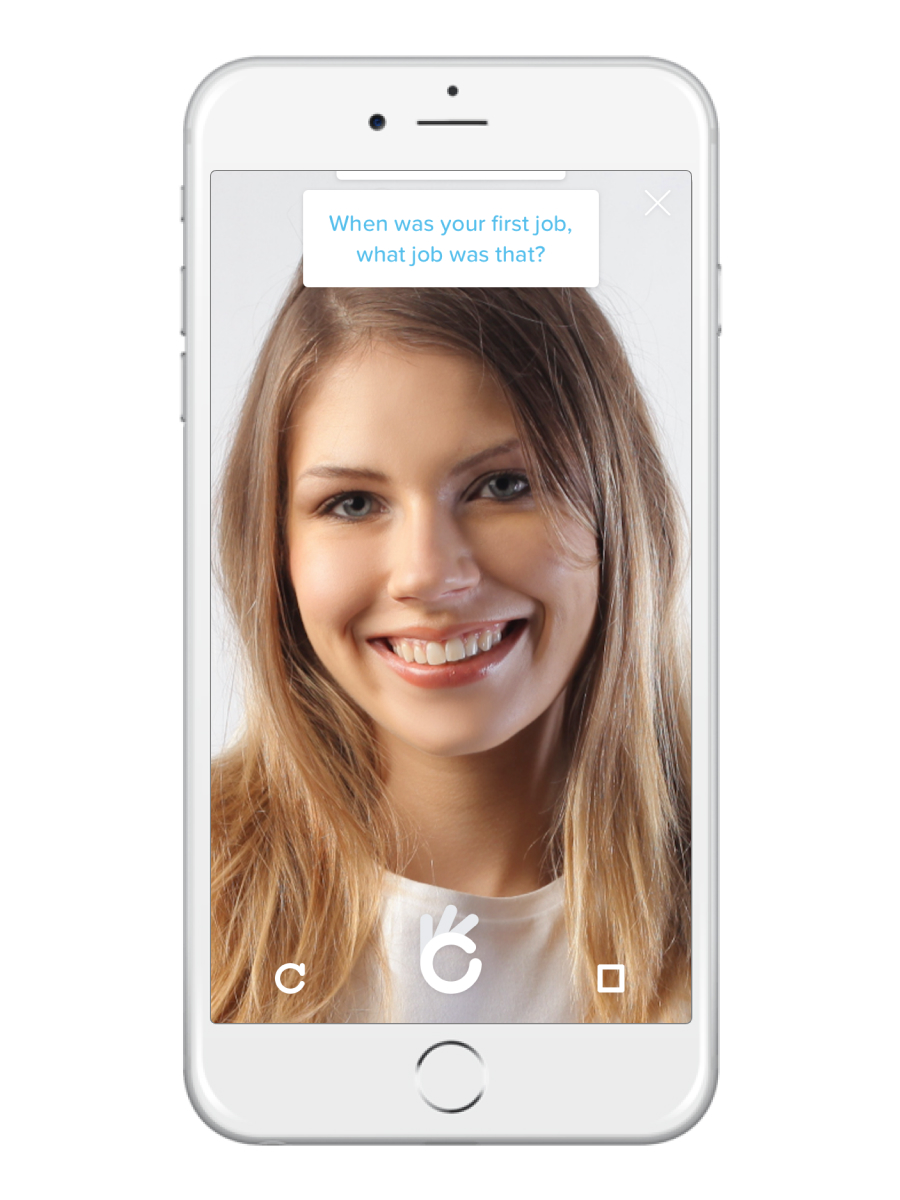
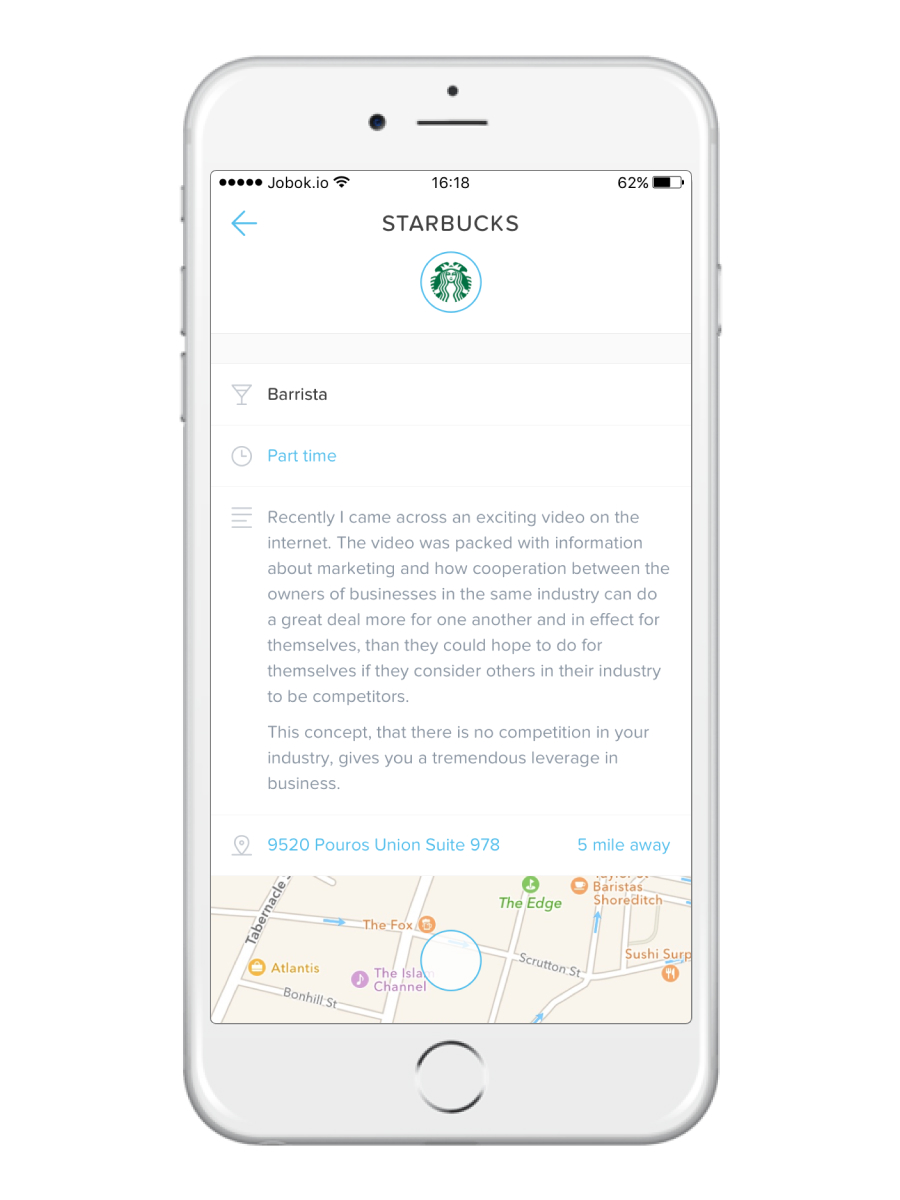
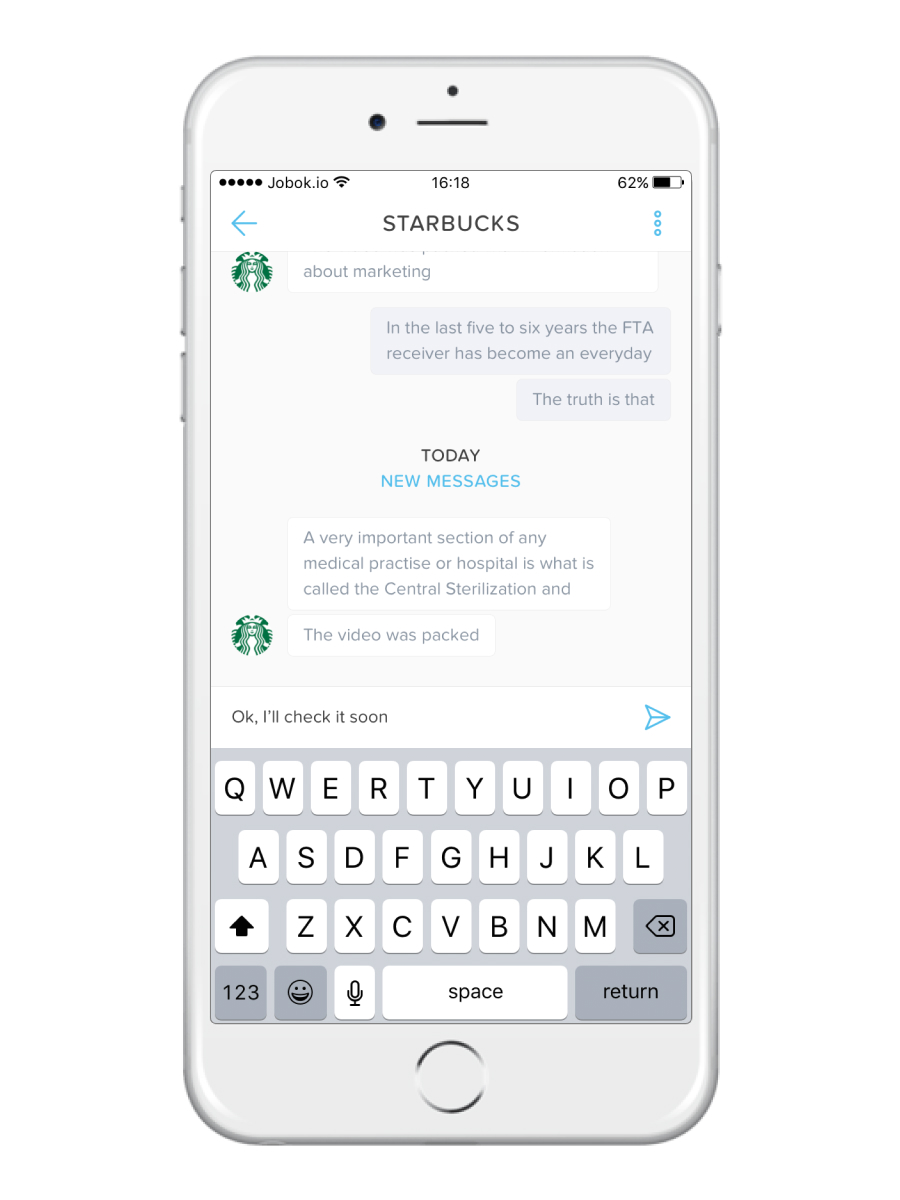
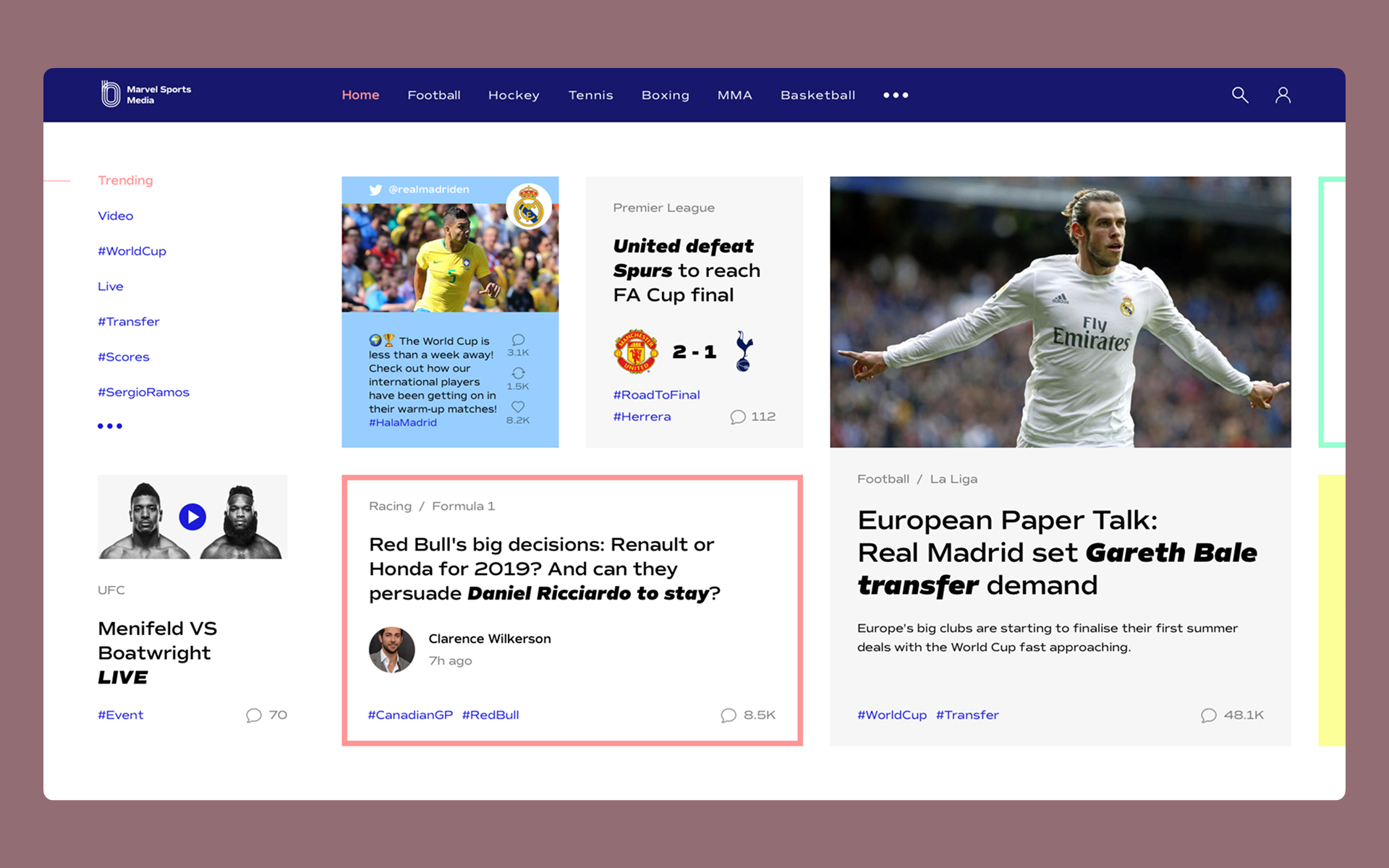
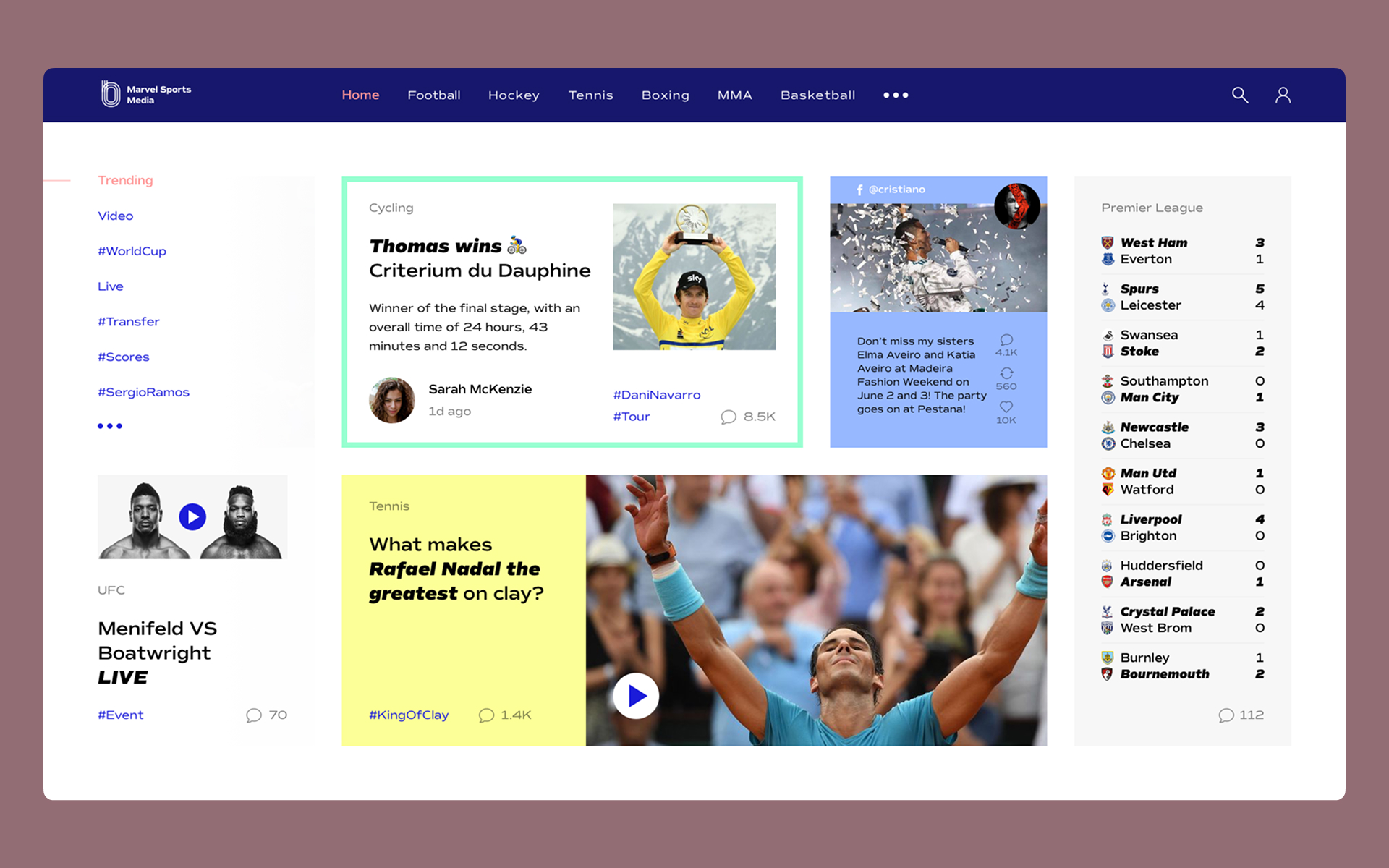
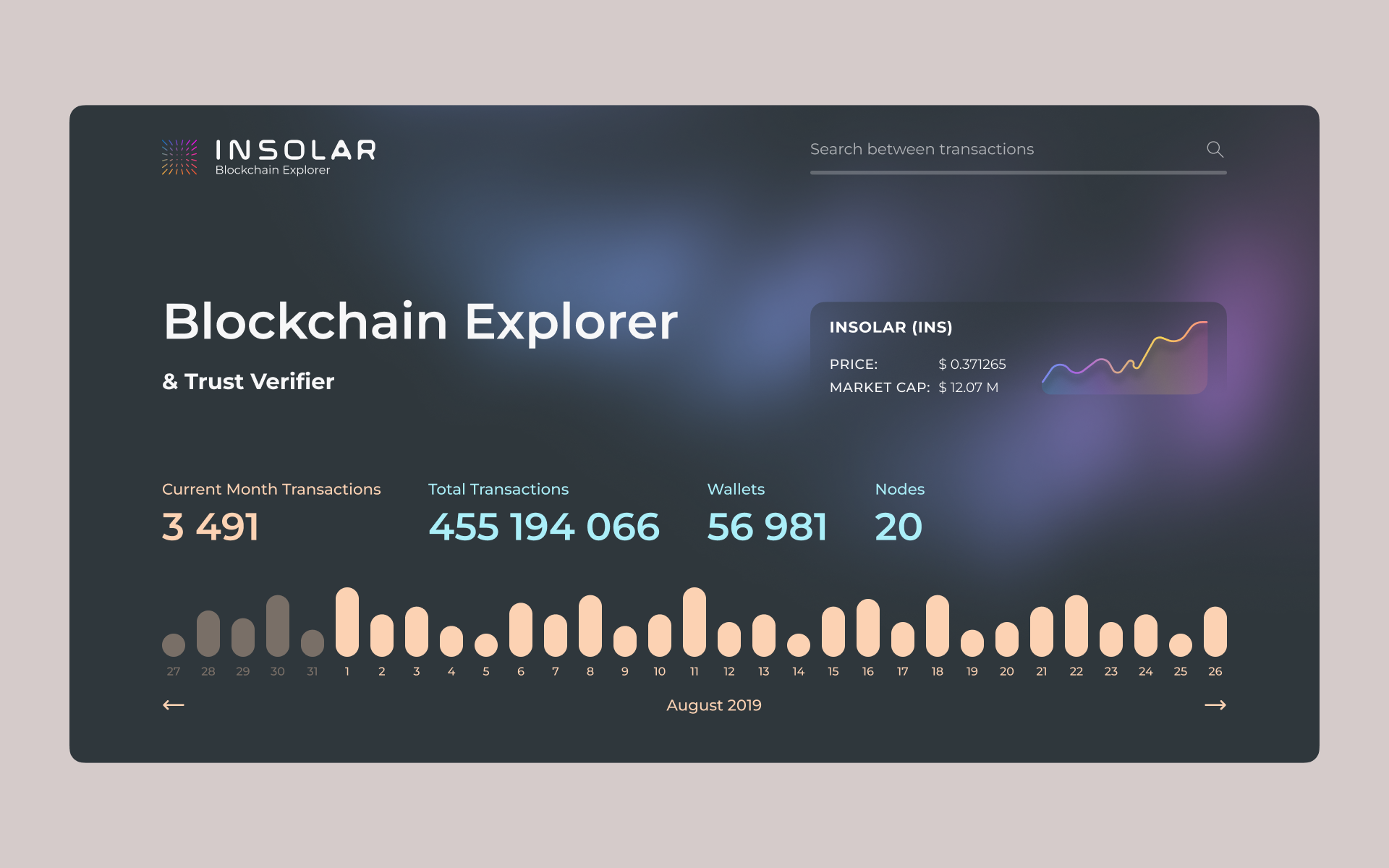
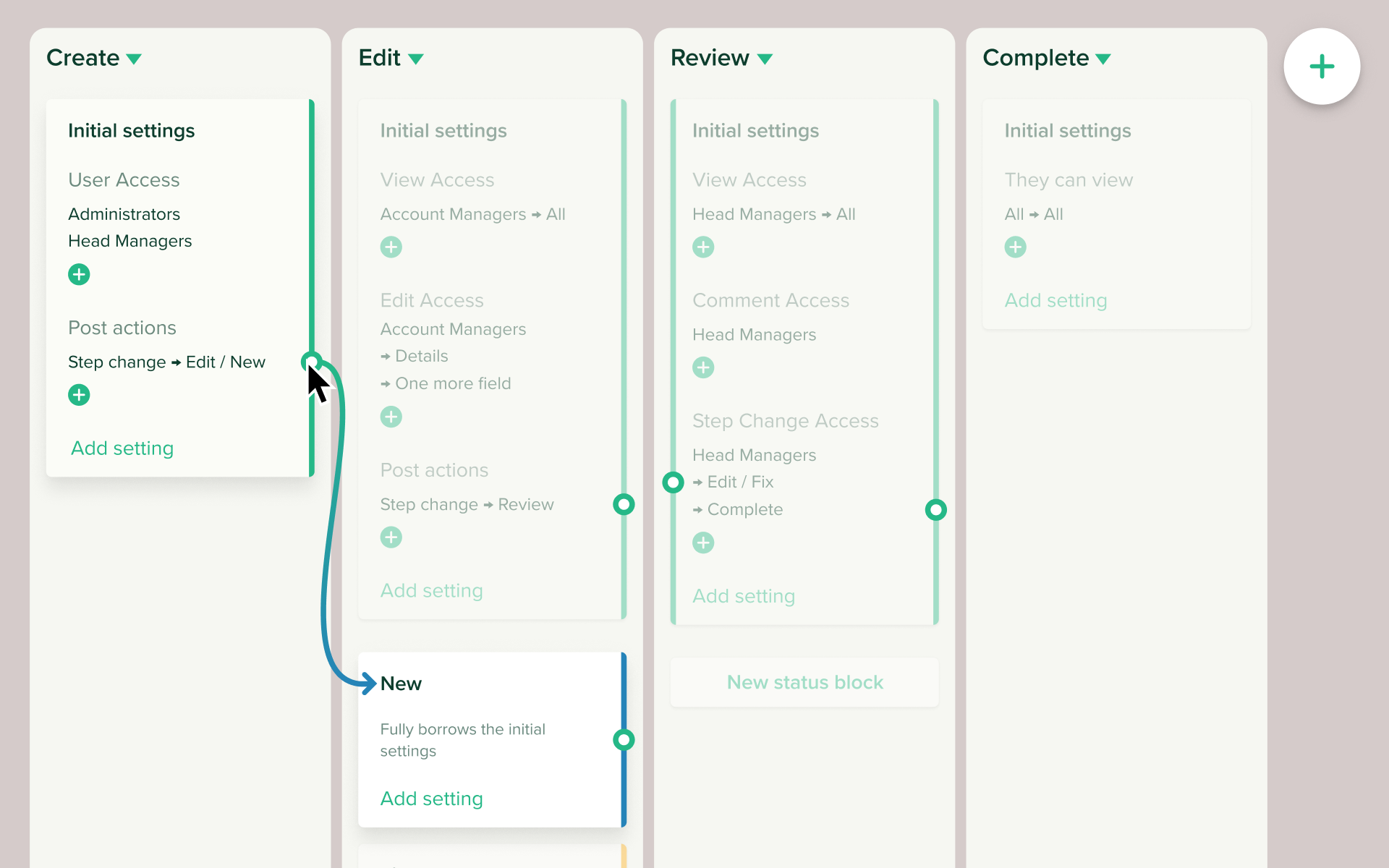
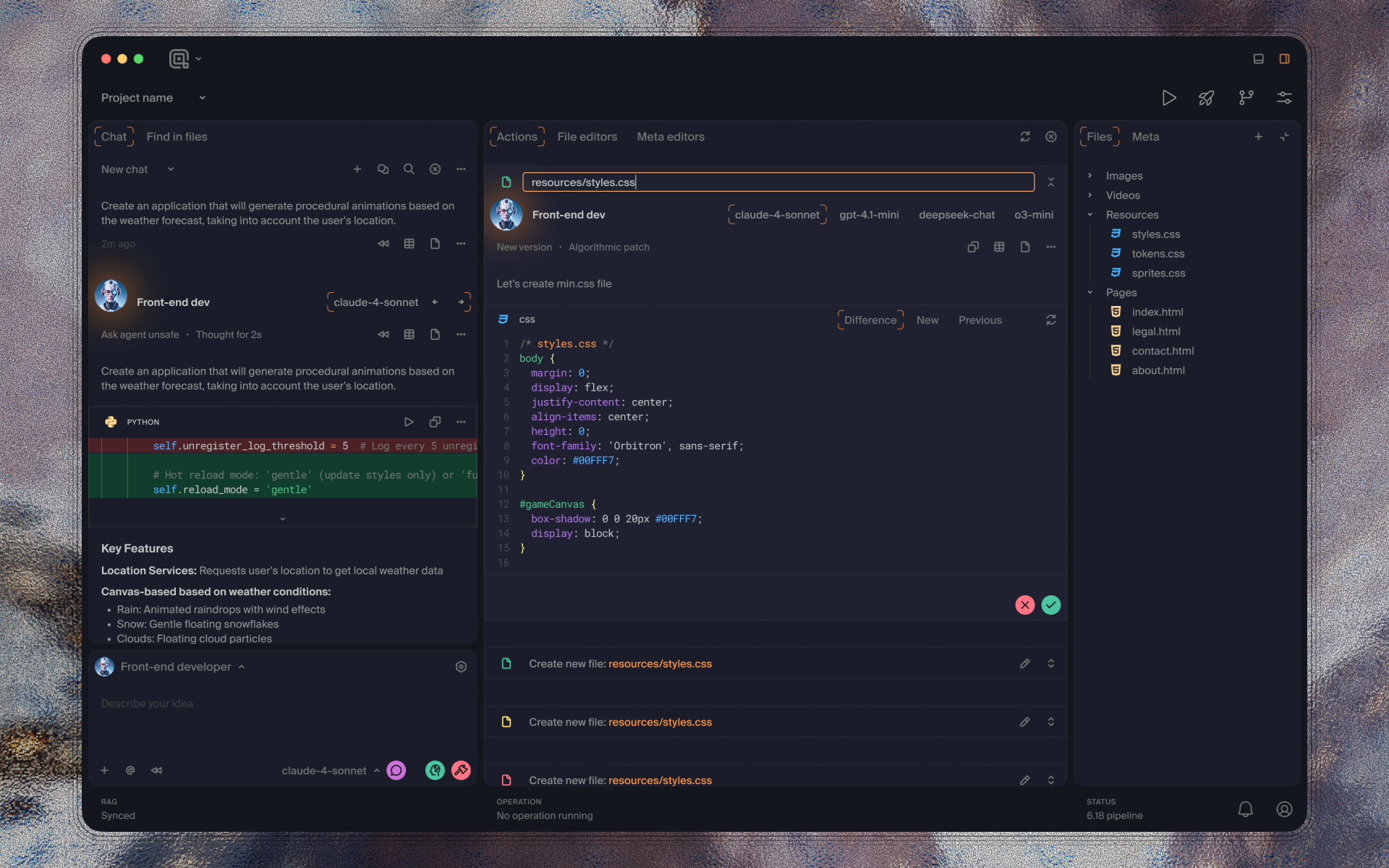
Action I ran a UX audit and built the MVP brand. I designed the product interface, the design system behind it, and the workflows that put code and media agents in one environment.
Result Delivered the product design, core design system and branding for the MVP release: one environment where developers and creators run code and media agents. The platform is public and running — quadcode.ai.